Best Soil for Burro’s Tail: Choosing the Right Mix for Healthy Trailing Succulents
Burro’s Tail, also known as Sedum morganianum, features long trailing stems and plump leaves. It prefers well-draining soil to prevent root rot and to support steady growth. This article reviews soil options commonly sold for succulents and highlights five Amazon-sourced mixes and living soils that suit Burro’s Tail and similar trailing succulents. We compare drainage, organic content, texture, and ease of use to help American homeowners choose a soil that promotes healthy roots and vibrant foliage.
| Product | Brand | Notes |
|---|---|---|
| Burro’s Tail Succulent Plant in 3.5″ Pot | Generic | 3.5″ pot; beginner-friendly, well-draining base recommended |
| 6″ Sedum Burrito | Plants for Pets | Hanging planter; easy-care soil with live plant |
| 20 Pieces Organic Live Burro’s Tail Leaves | Smoke Camp Crafts | Propagation-friendly; leaves detach and root easily |
| Live Succulent Plants Vining Collection | SUCCULENTMARKET.COM | Fully rooted; hanging Burro’s Tail; ready-to-grow |
| Burro’s Tail 2.5-Inch Pot | Smoke Camp Crafts | Compact pot; organic soil mix |
Below are five Amazon-listed soil options that align with Burro’s Tail care, focusing on drainage, texture, and ease of use. Each product’s features guide how to pair the potting mix with a Burro’s Tail plant for optimal growth, whether you’re repotting a thriving specimen or starting from propagation material.
Burro’s Tail In A 3.5-Inch Pot

This live Burro’s Tail comes in a 3.5″ pot and carries the botanical name Sedum morganianum ‘Burrito’. Its zone range (10-11) indicates warmth-adapted growth. For the soil, choose a fast-draining mix to prevent moisture from lingering at the roots. A cactus or succulent potting blend enriched with perlite or pumice provides the airy texture Burro’s Tail needs, helping the plant trail gracefully without sitting water. Ensure the pot has drainage holes and avoid heavy, peat-heavy soils that retain moisture.
When repotting into a new container, place the plant in a shallow layer of gritty soil, then add a well-draining mix around the roots. Water sparingly until new growth establishes. For ongoing care, avoid overwatering during the plant’s dormant periods and monitor moisture between watering sessions to maintain root health and vigorous trailing growth.
Burro’s Tail Burrito In A 6-Inch Hanging Pot

This 6″ hanging succulent offers Burro’s Tail in a decorative planter. The product emphasizes easy maintenance and decorative appeal. For soil, select a light, well-aerated mix designed for succulents. A blend of coarse sand, perlite, and a small amount of organic matter creates columns of air in the root zone, enabling rapid drainage after watering. The hanging form increases air exposure around the stems, which helps prevent fungal issues in humid environments. Use a pot with drainage to keep excess moisture away from the delicate root system.
This plant thrives with bright indirect light and infrequent watering. If the soil stays wet for too long, consider refreshing the mix to improve drainage and reduce the risk of root rot. For best results, pair with a plan to water only after the top inch of soil dries out, ensuring the roots receive oxygen between irrigation events.
Organic Live Burro’s Tail Leaves Propagation Kit

This listing features 20 organic Burro’s Tail leaves for propagation, highlighting a drought-tolerant approach with organic, pesticide-free material. For propagation, use a well-draining medium to encourage root formation. You can press leaves lightly into the soil or lay them on the surface with a thin layer of soil or sand to improve contact. The leaves detach easily, and new plantlets may form where they touch the soil. Ensure the propagation medium remains lightly moist but not soggy to support successful rooting and growth.
The organic planting approach aligns with Burro’s Tail care by avoiding synthetic pesticides that could harm delicate developing roots. After roots establish, transition to a traditional succulent mix that offers good drainage while providing some nutrients for continued growth. This method supports a healthy, expanding Burro’s Tail collection from leaf cuttings.
Live Succulent Plants Vining Collection
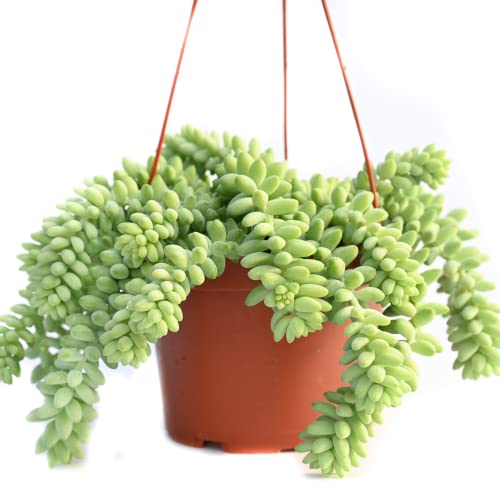
This fully rooted 6-inch Burro’s Tail hanging succulent is sourced from a nursery with a focus on healthy, hardy live plants. The soil in such offerings typically benefits from a light, fast-draining mix. When integrating this plant into a home environment, use a cactus/succulent blend with added perlite or pumice. The texture should be airy to preserve root oxygen, especially in hanging setups where moisture can accumulate near the plant base. Regular checks for root health and soil moisture help maintain its vigor and trailing appearance.
Hanging Burro’s Tail collections like this one pair well with bright, indirect light. Avoid heavy, water-retentive soils that cause root saturation, and water deeply but infrequently to mimic the plant’s natural drought-tolerant tendencies. This approach supports robust growth and a striking elongation of the trailing stems.
Burro’s Tail 2.5-Inch Pot Organic Mix

This compact Burro’s Tail arrives in a 2.5-inch pot with an organic house plant soil mix. For this size, a well-draining succulent mix is crucial to prevent waterlogging in the confined root zone. The product description highlights an organic blend designed to support healthy growth while reducing gnats that sometimes thrive in richer soils. Use a pot with drainage holes and adjust watering to the plant’s needs—often longer dry spells between irrigations suit Burro’s Tail best in smaller containers.
As the plant grows, consider upgrading to a larger pot with a more aerated soil mix to maintain drainage and encourage continued trailing. The organic composition helps sustain healthier roots, while a lighter soil texture keeps the stems flexible for cascading growth in indoor spaces.
Buying Guide
Key Purchase Considerations
- Drainage: Burro’s Tail needs soil that drains quickly to prevent root rot. Look for cactus/succulent blends or mixes with perlite, pumice, or coarse sand.
- Texture and aeration: A loose, airy soil promotes oxygen access to roots. Avoid heavy peat-based mixes that retain moisture for too long.
- Organic content: Organic matter supports initial growth but should not be dense or water-retentive. For propagation, organic components can aid root establishment, but ensure drainage remains top priority.
- Pot and drainage: Choose pots with drainage holes. For hanging plants, ensure the container and soil stay light enough to handle air circulation around the stems.
- Propagation compatibility: If you’re starting from Burro’s Tail leaves, select soils that allow easy root formation without compacting the leaf area.
Soil Type Comparisons
- Cactus/Succulent Mix: Fast drainage, mixes often include sand or perlite; ideal for established Burro’s Tail and propagation media with good aeration.
- Loamy Potting Mix With Perlite: Moderately draining; suitable for beginners but may require careful watering to avoid saturation.
- Organic, Peat-Based Mix: Retains moisture; not ideal for Burro’s Tail unless amended with high drainage components.
- Leaf Propagation Substrate: A light, well-drained base supports rooting of leaf cuttings from Burro’s Tail leaves.
- Fully Rooted Plant Potting Soil: Ready-to-use mix; ensure it remains well-draining and adjust watering to plant age and pot size.
Watering and Fertilization
Burro’s Tail prefers infrequent watering; let the soil dry before watering again. In warmer months, you may water more frequently, but always ensure drainage holes are present and not clogged. Fertilization should be light; use a balanced succulent fertilizer at a reduced rate during the growing season, avoiding high-nitrogen mixes that can encourage soft, weak growth. For propagation, hold off on fertilization until new roots establish.
Container Size And Plant Health
Choose a pot that matches the plant’s current size and anticipated growth. A too-large pot retains moisture longer, increasing rot risk, while a pot that is too small can limit growth. For hanging Burro’s Tail, ensure the pot and plan are balanced to support trailing stems while facilitating air movement around the plant. Regularly inspect for root health and repot when roots become crowded or soil breaks down and drains more slowly.
Maintenance And Aesthetics
Burro’s Tail is prized for its cascading look; soil choice should support that aesthetic by maintaining clean, white root zones and minimal soil crusting. Periodically refresh the top layer of soil to remove old debris and ensure consistent moisture distribution. When propagating, provide a suitable environment, keeping leaves moist enough to root but not so wet as to encourage rot. A bright, indirect light environment helps keep color and vigor without stressing the plant.