Best Soil for Vegetable Garden: Top Potting Mixes and How to Choose
Selecting the right potting mix is crucial for healthy vegetable growth, especially in containers or raised beds. The following selections are well-suited for vegetable gardeners, offering organic options, moisture control, and nutrient release. Each product below is evaluated for suitability with vegetables and general edible gardening in mind.
Summary of chosen products
| Product | Brand | Main Benefit | Key Feature | Link |
|---|---|---|---|---|
| Back to the Roots 100% Organic Potting Mix | Back to the Roots | 100% organic and peat-free | Made from upcycled plant matter and wood fines | Amazon |
| Burpee Premium Organic Potting Mix | Burpee | All-natural mix with coconut coir | OMRI listed for organic use | Amazon |
| FoxFarm Ocean Forest Potting Soil | FoxFarm | All-in-one soil solution | Moisture-locking blend with natural amendments | Amazon |
| Miracle-Gro Potting Mix For Container Plants | Miracle-Gro | Feeds for up to 6 months | Includes extended-release nutrients | Amazon |
| Miracle-Gro Organic Outdoor Potting Mix | Miracle-Gro | Organic outdoor-ready mix | Contains quick-release natural fertilizer | Amazon |
Back to the Roots 100% Organic Potting Mix
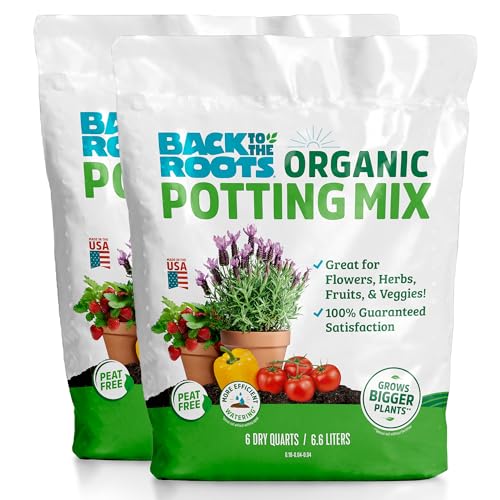
Back to the Roots offers a 100% organic, peat-free potting mix designed for versatile use with herbs, vegetables, fruits, and flowers. The blend favors upcycled plant matter and wood fines from across the United States, which reduces reliance on imported peat. Its moisture-control properties are enhanced by yucca extract, helping to keep root zones evenly moist without constant watering. Dolomitic limestone balances pH, supporting healthier nutrient uptake for a range of vegetables. This option is labeled as proudly made in the USA, aligning with sustainability-minded gardeners.
Burpee Premium Organic Potting Mix

Burpee’s Premium Organic Potting Mix is formulated with plant food and coconut coir to promote robust seedling growth and strong root systems. It is OMRI-listed for organic use, giving vegetable gardeners confidence in its suitability for edible plants. The mix is practical for containers and raised beds, feeding plants immediately and continuing with a slow-release boost for up to three months. The coconut coir helps retain moisture, making it a good choice for warmer climates or plantings that may require longer intervals between waterings.
FoxFarm Ocean Forest Potting Soil

FoxFarm Ocean Forest Potting Soil is an all-in-one solution designed to support container plants, including vegetables, with a balanced mix that fosters vigorous growth. It uses aged forest products, sphagnum peat moss, earthworm castings, bat guano, and fish emulsion to boost moisture retention and nutrient availability. The blend is pH-adjusted to optimize nutrient uptake across a variety of plant types, making it a flexible choice for mixed vegetable containers and garden beds. This soil is particularly noted for its aeration and comprehensive nutrition profile.
Miracle-Gro Potting Mix For Container Plants

Miracle-Gro’s Potting Mix for Container Plants is designed to feed container-grown vegetables and other ornamentals for up to six months. The included fertilizer provides quick-acting nutrients to support rapid establishment in new containers. For home gardeners, this mix is simple to use: fill containers about one-third full, place plants, and add the rest of the soil, pressing lightly. This product is popular for those seeking a turnkey solution with predictable performance in a variety of edible container setups.
Miracle-Gro Organic Outdoor Potting Mix

Miracle-Gro Organic Outdoor Potting Mix is formulated for outdoor container plants with a focus on organic suitability. It includes quick-release natural fertilizer, offering an immediate nutrient boost for vegetables, herbs, and flowers planted in outdoor containers. The mix is designed to feed for up to two months, supporting vigorous growth during the early stages of transplanting or new plantings. It is a practical option for gardeners seeking an organic-friendly option with reliable results for outdoor setups.
Buying Guide: Key Purchase Considerations And Comparisons
Choosing the best soil mix for a vegetable garden depends on several factors. Consider these perspectives to tailor your selection to your space and crop goals:
- Organic content and peat status: Peat-free blends reduce reliance on mined or harvested peat and often emphasize sustainable, upcycled components. Organic certification (eg, OMRI) can guide decisions for edible plants.
- Moisture retention vs. drainage: Containers require a balance. Some mixes emphasize moisture retention (coconut coir, peat alternatives), while others promote better drainage (coarse blends, perlite content). For vegetables, consistent moisture without oversaturation is ideal.
- pH balance: Vegetables vary in pH tolerance. Some blends include limestone or other amendments to stabilize pH, promoting nutrient availability for tomatoes, peppers, leafy greens, and herbs.
- Nutrient delivery timeline: Quick-release fertilizers help with fast establishment, while slow-release or extended-release components support longer growth cycles with fewer replenishments.
- Container vs. in-ground use: Some soils are designed specifically for containers (better aeration and moisture control), while others are suitable as amendments for raised beds or traditional garden soil.
- Coconut coir vs. traditional peat: Coir-based mixes hold moisture well and are renewable, but may require complementary nutrients. Peat-based blends can offer good aeration but come from non-renewable sources.
- Sustainability and origin: U.S.-made blends may appeal to gardeners seeking lower transport emissions and supporting local suppliers. Ingredient transparency helps compare value and performance across brands.
Practical recommendations:
- For beginners: A versatile organic mix with moisture control and balanced nutrients (like the Back to the Roots option) can provide reliable results for a range of vegetables.
- Container-heavy setups: Choose blends with good moisture retention and stable pH, such as Ocean Forest or coconut coir-rich mixes, to minimize frequent watering.
- For long-season crops: Consider blends with extended-release nutrients to reduce re-potting frequency and support steady growth through flowering and fruiting stages.
- Soil testing: Regardless of mix, periodic soil tests or simple soil-duster pH checks help tailor amendments to your veggie lineup, especially in raised beds or dedicated containers.
In summary, selecting the right potting mix for vegetables involves balancing organic content, moisture management, nutrient delivery, and sustainability preferences. The products listed above each offer distinct strengths, enabling you to match the mix to your climate, crop list, and container setup.