Best Soil Testing Kit for Vegetable Garden for Healthier Plants
Answering the question “which soil testing kit is best for a vegetable garden?” this guide compares practical, at-home options that help you monitor pH, nutrients, and overall soil health. These kits are best for home gardeners who want actionable guidance without sending samples to a lab. If you grow vegetables, consider kits that cover pH, nitrogen, phosphorus, and potassium, along with clear color guides or easy-to-interpret results. Below you’ll find a quick product summary, followed by detailed comparisons and a practical buying guide.
| Product | What It Measures | Best For |
|---|---|---|
| Rapitest Soil Test Kit (Luster Leaf) | pH, Nitrogen, Phosphorus, Potash | Small-to-medium gardens; quick at-home checks |
| Soil Test Kit 140 Tests (Dewilde) | pH, N, P, K, Ammonia | Regular, in-depth fertility tracking |
| MySoil Soil Test Kit | 13 plant-available nutrients, pH | Comprehensive fertility needs; professional-style results |
| AKSBTEC 4-in-1 | pH, N, P, K | Long-term use across multiple beds |
| NewTest 4-Parameter Kit | pH, N, P, K | Structured testing with clear instructions |
Rapitest Soil Test Kit for Gardens
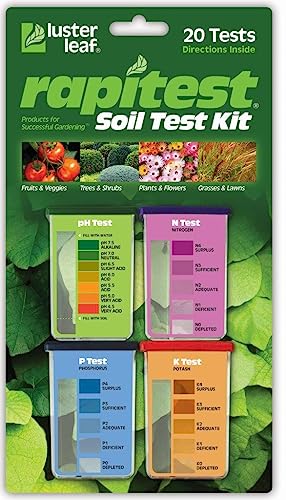
What it measures and how it helps: This kit provides quick at-home results for soil pH, nitrogen, phosphorus, and potassium. It uses an easy capsule system and patented color comparators, enabling color-based interpretation. It includes enough components for about 20 tests, with 5 tests per parameter. Best for small to mid-size gardens where rapid, repeatable checks are desired.
Who it’s best for: Home gardeners seeking inexpensive, straightforward testing with clear color results. It suits seasonal bed rotations (vegetables, flowers, lawns) where quick feedback drives timely amendments. Limitations: Fewer total tests than multi-kit options may require more frequent re-testing across larger plots.
Soil Test Kit 140 Tests (Dewilde Trading Co)

What it measures and how it helps: This kit presents a comprehensive analysis of soil parameters, including pH, ammonia, nitrogen, phosphorus, and potassium. It is designed to provide a holistic understanding of soil fertility, helping you tailor fertilizer plans. It is especially useful for lawns, vegetable gardens, and landscapes that require a broader nutrient picture.
Who it’s best for: Gardeners who want a broad, data-rich profile and actionable fertilizer recommendations. It’s better for those who test across multiple beds or a larger area. Caution: It may require more steps and interpretation than simpler color-only kits.
MySoil Soil Test Kit

What it measures and how it helps: MySoil emphasizes 13 plant-available nutrient levels, plus pH, with expert-style recommendations tailored to soil and plant needs. It aims to translate lab-like precision into practical garden actions, including tailored guidance for lawns, vegetables, flowers, trees, and more. It’s designed to help you optimize soil health with a clear action plan.
Who it’s best for: Gardeners seeking professional-grade insight without sending samples to a lab, especially for vegetable plots with recurring nutrient needs. Limitation: Results take longer to return (about 6–8 days) compared with instant color-based kits.
AKSBTEC 2026 New 4-in-1 Soil Test Kit

What it measures and how it helps: This kit covers pH, nitrogen, phosphorus, and potassium with a 40-test supply (10 tests per parameter). It is designed for long-term use across multiple areas of lawns and vegetable beds. It provides a straightforward color-based comparison and quick results for steady fertilization planning.
Who it’s best for: Gardeners who want a reliable, repeatable testing routine across several beds and seasons. Good for gardeners who prefer a consistent 4-parameter framework. Caution: Though designed for ease, frequent testing requires steady handling to maintain accuracy across batches.
NewTest Soil Test Kit 4 Parameters

What it measures and how it helps: This professional-grade kit offers 40 tests across four parameters: pH, nitrogen, phosphorus, and potassium. It includes detailed instructions to simplify the testing process for beginners while still delivering actionable data for seasoned gardeners. It’s designed to help you detect nutrient gaps and plan precise amendments.
Who it’s best for: Vegetable gardeners seeking a structured, step-by-step testing routine with ample test opportunities for multiple beds. Limitation: Like other comprehensive kits, it requires careful procedure to obtain consistent results across tests.
Buying Guide: Key Considerations for Vegetable Gardeners
- Scope of testing: If you grow a diverse vegetable garden, a 4-in-1 kit (pH, N, P, K) with up to 40 tests can be more practical than single-parameter kits.
- Result format: Colorimetric kits are quick and easy; digital meters or lab-style reports offer more detail but may take longer or cost more.
- Turnaround time: If you need fast feedback for seasonal planting, choose kits with immediate results. For deeper planning, consider kits with actionable recommendations or lab-style interpretations.
- Bed coverage: For larger gardens, pick a kit that provides enough tests to sample multiple spots (avoid relying on a single sample for a big bed).
- Ease of use: Step-by-step instructions, included testing reagents, and clear color charts reduce interpretation errors for beginners.
- Maintenance and reusability: Look for kits that offer refill options or long-lasting reagents if you test across seasons.
FAQ: Quick Answers For Gardeners
- What should I test first in a vegetable garden? – Start with soil pH and nitrogen levels, then monitor phosphorus and potassium to guide fertilization and amendments.
- How often should I test my garden soil? – For established gardens, testing once per season is common; high-traffic or heavily fertilized plots may benefit from more frequent checks.
- Are at-home soil tests accurate enough for vegetable growing? – They provide actionable guidance and trend data, but for precise nutrient profiling, lab testing is the most accurate option.
- Can I test soil moisture with these kits? – Some multi-function kits include moisture or other plant-health indicators, but most focus on pH and nutrients. Check each product’s features for specifics.
- Which kit is best for beginners? – Kits with simpler color comparators and clear CUE results tend to be easier for beginners, such as Rapitest or NewTest with step-by-step instructions.
- Do I need to test every bed or plant type separately? – It’s helpful to test representative spots in different beds (e.g., raised beds vs. in-ground plots) because soil properties vary across a garden.