Best Solar Electric Fence Solutions for Garden Pests and Livestock
If you’re guarding a garden from pests or protecting small to medium livestock, a solar electric fence charger can provide reliable, low-maintenance perimeter control. This guide highlights five top options, clarifying who each product is best for, and why they stand out. Ideal buyers include backyard gardeners seeking deer deterrence, small livestock keepers needing day/night protection, and property owners wanting portable, easy-install systems. Below is a quick comparison table of the selected models to help you decide at a glance.
| Product | Coverage | Best For | Key Benefit |
|---|---|---|---|
| Epoify 24 Hour Solar Electric Fence Charger | Up to 10 miles | Small to medium pastures, predator deterrence | Day charging with overnight protection |
| ANDMON 10 Miles Solar Fence Charger | Up to 10 miles | Portable setups, strip grazing | Rechargeable solar panel, reliable power |
| Zhangmengge 5 Miles Solar Powered Fence Charger | Up to 5 miles | Garden plots, chickens, small gardens | High voltage for large predators |
| Gallagher Garden & Backyard Pet Protection Kit | 200 feet perimeter | Deer, raccoons, pets | All-in-one kit with posts and wire |
| FarmNix 30 Miles Solar Electric Fence Charger | Up to 30 miles | Larger gardens and multi-zone fencing | Multiple voltage outputs and long protection |
Epoify 24 Hour Solar Fence Charger
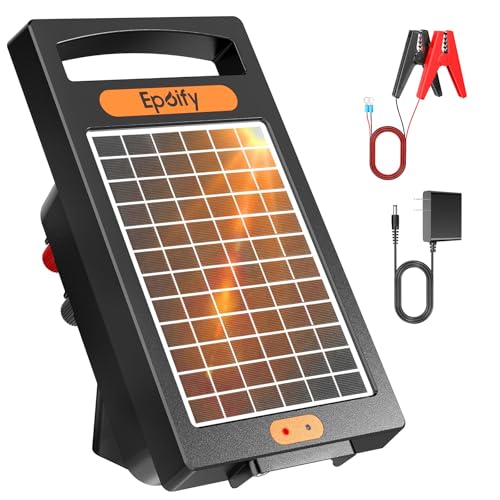
This charger delivers a consistent 0.18 joules to contain livestock such as cattle, goats, and poultry while deterring predators like raccoons and foxes. It covers up to 10 miles of pasture fencing, supporting long-run reliability with a built-in large-capacity battery for day charging and night protection. Best for small-to-medium grazing areas needing steady power with overnight operation. Caution: performance depends on proper grounding and sun exposure.
ANDMON 10 Miles Solar Fence Charger
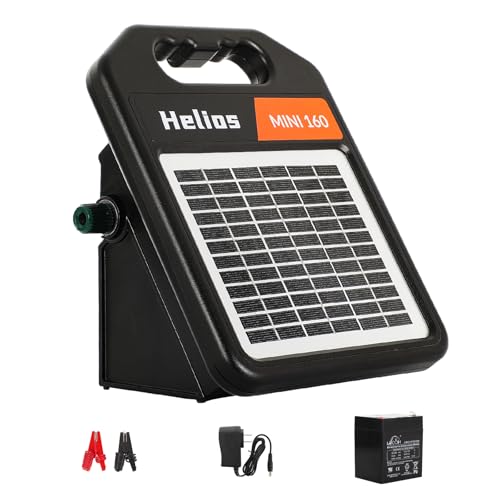
This compact and portable energizer is designed for strip grazing, energizing up to 10 miles of fencing. It features a built-in solar panel and GEL battery, offering 24/7 protection with reliable performance in low light. Best for renters, temporary pasture setups, or seasonal fencing needs. Choose this if you need a mobile solution; avoid if you require longer-term stationary installations in high-traffic areas, given potential weather variability.
Zhangmengge 5 Miles Solar Powered Fence Charger

This unit delivers 0.11 joules of output with coverage up to 5 miles, and features 24/7 power through a rechargeable solar setup. It’s a strong choice for gardens, coops, and small farm plots, with high voltage output capable of deterring larger predators like elk and bears. Best for compact properties; caution: lower joule output may require more frequent maintenance in high-traffic wildlife zones.
Gallagher Garden & Backyard Pet Protection Kit

This all-in-one protection kit includes a solar energizer, posts, wire, and a ground rod to create a 200-foot perimeter. It’s ideal for protecting gardens from deer and raccoons while being easy to install and adjust. Best for gardeners seeking a ready-to-use solution; caution: limited coverage means it’s best suited for small to medium plots rather than large expanses.
FarmNix 30 Miles Solar Electric Fence Charger
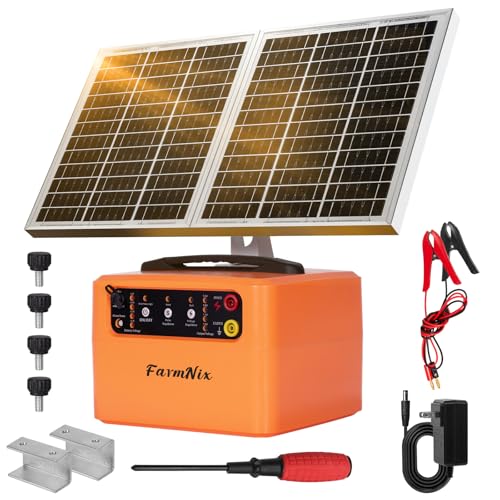
This high-capacity charger supports up to 30 miles of fencing with adjustable 6KV/8KV/10KV/12KV outputs and 0.3/0.8/1.1/1.5 joules of energy. It’s designed for larger properties, multi-zone fencing, and year-round operation with 15W solar panel and solid battery setup. Best for extensive gardens or farm perimeters; caution: more complex setup may require careful grounding and configuration.
Buying Guide
How much fencing area do you need to cover?
Choose a model with sufficient miles of coverage for your perimeter. If you’re fencing a small garden or coop, a 5–10 mile unit is typically adequate. For larger yards or multi-zone layouts, a higher-mileage charger is preferable.
What kind of power reliability is required?
If you face long periods of cloudy weather or variable sun, select a charger with a robust battery and efficient solar panel. Models advertising 14–45 miles of coverage per charge often include larger batteries for longer uptime.
How important is portability?
Portable options suit renters or frequently changing layouts. Look for lightweight, easy-to-move units with built-in solar panels and simple mounting options.
What animals are you protecting against?
Higher voltage and joule output are necessary to deter larger wildlife; smaller predators or domestic pets may require gentler pulses. Always match output to the target deterrence without overdoing it for safety.
What installation considerations matter?
Grounding quality and sun exposure are critical. Ensure your fence is properly grounded and located to maximize sun exposure for best performance. Some kits include all-in-one components for easier setup; others may require additional accessories.
Maintenance and durability
Look for weatherproof enclosures and robust components if you expect harsh conditions. Regular checks of solar panels, batteries, and connections help maintain consistent performance throughout seasons.
FAQ
- What is a typical output for garden fencing? Many solar chargers provide 0.11–0.18 joules for smaller setups and 0.3–1.5 joules for larger units, with voltages commonly in the 7,000–12,000V range.
- Can solar fence chargers run at night? Yes, most models store energy in a built-in battery to energize fences after dark.
- Is portable better for gardens? Portable options are convenient for temporary layouts or seasonal crops but may offer less overall coverage than stationary systems.
- Do I need professional installation? For multi-zone or large properties, professional help can optimize grounding and layout; smaller kits are usually quick to set up.
- Will these deter all wildlife? They deter many larger predators and problematic pests, but complete determent depends on fence quality, placement, and maintenance.
- What maintenance is required? Regular checks of solar panels, battery health, wiring integrity, and grounding improve reliability and longevity.