Best Soursop Seeds for Planting: Grow Guanabana at Home
Discover top options for growing soursop (guanabana) and related tropical herbs from seeds or young plants. This article highlights five products that help you cultivate lush, fruit-bearing plants, with practical details on growth, climate, and care to aid in informed purchasing decisions. Each entry includes a quick specs snapshot and actionable cultivation tips for American gardeners.
| Product | Brand | Type | Notes |
|---|---|---|---|
| Guanabana Soursop Tree Live | AKTRD | Live Plant | Tropical fruit tree, 6″ tall, well-rooted |
| Blue Hyssop Seeds (Hyssopus Officinalis) | Seed Needs | Herb Seeds | Medicinal and ornamental herb; attracts pollinators |
| Molokhia Seeds (Egyptian Spinach) | Wily Fox | Herb Seeds | Fast-growing leafy greens; heat-tolerant high-yield |
| Hyssop Seed Kit (Anise Hyssop) | Seed Needs | Herb Seeds | Licorice-scented herb; culinary and medicinal uses |
| Anise Hyssop Seeds | Seed Needs | Herb Seeds | Medicinal and culinary herb; ornamental flowers |
Guanabana Soursop Tree Live

The Guanabana Soursop Tree Live is a tropical fruit tree option suitable for gardeners in warm climates. This pack features two live plants approximately 6 inches tall in four-inch pots and is described as well-rooted, ready for transplanting into a suitable outdoor space. It is adapted to tropical and subtropical conditions, thriving in USDA zones 10–11. Ideal for people seeking fresh soursop fruit production in home gardens or small orchards where climate supports year-round growth.
Cultivation notes indicate the plant can adapt to warm environments, with attention to frost-free seasons and protection from cold snaps. Given the fruit’s preference for sunny locations and well-draining soil, plan for ample space and consider wind protection. Soursop trees can become sizable; ensure you have room for growth and eventual fruit-bearing branches. Regular watering and soil with good moisture retention are beneficial, especially in early establishment.
Seed Needs Blue Hyssop Seeds
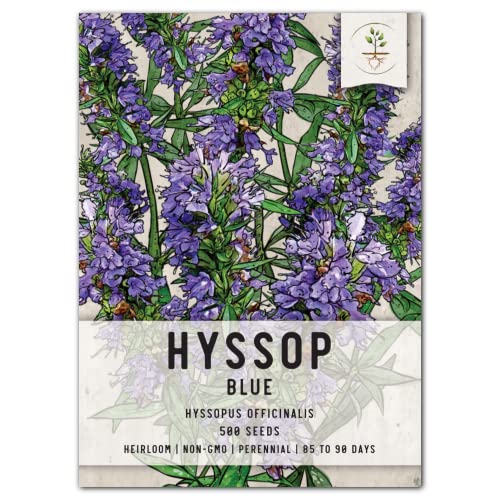
Blue hyssop (Hyssopus officinalis) is valued for its medicinal properties and aromatic leaves. The listed features highlight traditional use for respiratory comfort, anti-inflammatory properties, and its role as a culinary herb with a minty, slightly bitter flavor. In addition to these uses, blue hyssop flowers attract pollinators, including bees and butterflies, contributing to garden biodiversity and helping with pest deterrence as a companion plant. The product comes in heirloom, non-GMO, and untreated seed packs, making it a practical option for herb gardens, tea blends, and culinary experimentation.
Growing considerations include full sun and well-drained soil. Hyssop typically germinates within a couple of weeks to a month, depending on temperature. Spacing and pruning help encourage robust flowering stalks and abundant harvests. Because several hyssop varieties exist, confirm the specific cultivar’s growth height and days-to-maturity for best garden planning. Hyssop can be used dried or fresh for flavoring, teas, and essential oil extraction in addition to ornamental value.
Seed Needs Blue Hyssop Seeds (2 Packs)

This listing provides multiple blue hyssop seed packs, emphasizing medicinal and garden benefits. The description reiterates traditional respiratory uses, culinary applications, and ornamental value in the garden. The product notes also stress pollinator attraction, making it appealing for beekeepers and gardeners seeking ecological benefits alongside culinary herbs. Cultivation guidance includes full sun, well-drained soil, and typical germination timelines aligning with other hyssop varieties. This option suits gardeners building a diverse herb bed with bee-friendly options.
Seed Needs Anise Hyssop Seeds

Anise hyssop seeds are described as a native North American perennial, with licorice-like scent and purple-blue flower spikes that attract pollinators. The plant grows 2–4 feet tall and produces aromatic, toothed leaves suitable for tea, culinary use, or flavoring. The profile emphasizes pollinator appeal, particularly bees and butterflies, which supports garden biodiversity. This variant complements a herb garden aimed at fragrance, culinary experimentation, and essential oil production. Ensure adequate sun exposure and soil drainage for steady growth and robust flowering.
Seed Needs Anise Hyssop Seeds (2 Packs)

This listing presents two packs of Anise Hyssop seeds, reinforcing its value as a medicinal and culinary herb with a licorice-like aroma. The description underlines its role in attracting pollinators and offering tea leaves, culinary seasoning, and potential essential oil production. Like other hyssop varieties, anise hyssop benefits from sunny, well-drained soils and can contribute to a robust herb garden that supports pollinator health and biodiversity. Garden planning should consider spacing, bloom times, and potential height growth to fit the growing space.
Buying Guide
- Climate compatibility: Soursop plants thrive in warm, frost-free climates (USDA zones 10–11). If you live in cooler regions, plan for greenhouse growing or container gardening with winter protection and possible indoor fruiting considerations.
- Plant type and purpose: Decide whether you want a fruit-producing tree (soursop) or culinary/medicinal herbs (hyssop, anise hyssop, molokhia). Each type has different care needs, space, and harvest timelines.
- Germination and growth: Hyssop and anise hyssop seeds generally germinate in 14–28 days under optimal temperatures. Soursop starts from a tree or rooted cutting; seed viability varies by source and clone age.
- Soil and sun requirements: Most herbs listed prefer full sun and well-drained soil. Hyssops tolerate varied soils but perform best with consistent moisture and good drainage. Soursop trees require rich, well-drained soil and consistent moisture without waterlogging.
- Pollinators and biodiversity: Several entries emphasize pollinator attraction (bees, butterflies). Including flowering herbs can support local ecosystems and improve fruit set for compatible crops nearby.
- Culinary and medicinal use: Hyssop and anise hyssop offer culinary, tea, and essential oil possibilities. Soursop provides unique fruit flavor profiles and potential medicinal uses, though human consumption should be guided by research and local regulations.
- Planting method: For herbs, sow seeds directly where they will mature or start indoors and transplant after frost risk passes. For soursop, use containerized plants or select a protected outdoor location for eventual transplant in warm seasons.
- Maintenance: Regular pruning of hyssops supports bushier growth and more flowering. Soursop trees benefit from pruning to manage shape and cross-branching as they mature.