Best Sulfur for Vegetable Garden: Boost Soil pH and Plant Health
Healthy vegetables start with the right soil. Sulfur-based products help lower soil pH, improve nutrient availability, and promote vigorous growth for vegetables, herbs, and fruits. This guide reviews five effective sulfur options from Amazon, highlighting how each product supports a thriving vegetable garden without harming your plants or environment.
| Product | Best Use | Key Benefit |
|---|---|---|
| True Organic Prilled Sulfur | General garden use | Lowers soil pH and improves flowering |
| GardenWise Elemental Sulfur (8 oz) | Acid-loving plants | 90% purity for easy mixing |
| IMUSTGARDEN Dusting Wettable Sulfur | Organic compatibility | Safe, natural soil conditioner |
| DL Wholesale Sulfur Bag (2 lb) | Fertilizer base | Pure elemental sulfur for organic use |
| IMUSTGARDEN Soil Sulfur Pellets | Pellet application | Promotes lush growth and healthy chlorophyll |
True Organic Prilled Sulfur

Promotes healthy growth across vegetables, herbs, and flowers. This prilled sulfur supports overall plant vigor while naturally lowering soil pH to improve micronutrient availability. It’s suited for gardeners seeking stronger flowering and fruiting along with robust foliage.
GardenWise Elemental Sulfur (8 oz)
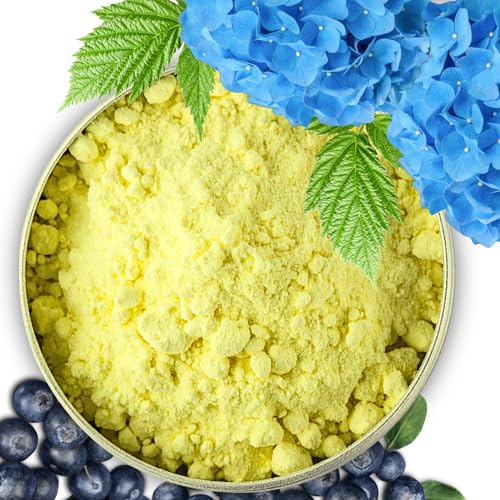
Contains 90% purity and is a fine powder designed for easy mixing. An effective soil acidifier for blueberries, hydrangeas, azaleas, and rhododendrons, it quickly lowers soil pH to support vibrant blooms and healthy growth. It can be applied directly to soil or dissolved for foliar sprays.
IMUSTGARDEN Dusting Wettable Sulfur

Natural and organic, sulfur has long been used as a soil acidifier and conditioner in organic farming. It is safe for most plants, animals, and pollinators, and supports normal healthy growth by providing essential sulfur required for chlorophyll production and plant metabolism.
DL Wholesale Sulfur Bag (2 lb)

High-quality elemental sulfur in a ready-to-use form. This organic fertilizer option helps deficient soils by lowering pH and supporting plant growth in vegetable gardens, flowering beds, and mixed plantings. The 2 lb bag is convenient for limited or targeted applications.
IMUSTGARDEN Soil Sulfur Pellets

Pellets designed for easy handling and slow release. Sulfur pellets naturally lower soil alkalinity, promoting richer greens and colorful blossoms. They support chlorophyll production and help prevent yellowing due to sulfur deficiency in vegetables and ornamentals alike.
Buying Guide: Sulfur For Vegetable Gardens
Key considerations help you choose the right sulfur product for your vegetables and garden conditions. Start by assessing soil pH, crop type, and whether you prefer granular, pellet, or powder forms. Pellets offer slow release for extended feeding, while powders provide quick action and easier mixing for foliar or soil applications.
Purity and form influence effectiveness. Higher-purity elemental sulfur generally provides faster pH adjustment and nutrient availability without introducing extra nutrients you don’t need. If you grow blueberries, hydrangeas, or other acid-loving crops, a dedicated acidifier with proven efficacy can be a practical choice.
Organic compatibility matters for many vegetable gardens. Look for products labeled OMRI Listed or specifically designed for organic gardening if you aim to maintain organic practices. Safety for pollinators, pets, and wildlife is also important; sulfur is typically safe when used as directed, but proper application is essential.
Application method can vary. Some products are soil-applied, others are suitable for foliar sprays when dissolved in water. Consider your routine and whether you prefer direct soil incorporation or a spray regimen for rapid nutrient delivery.
Environmental and soil concerns should guide your selections. In alkaline soils, sulfur helps release micronutrients like iron, manganese, and zinc, improving plant health and yield. For soils that already lean acidic, monitor pH to avoid over-acidification, which can stress crops.
Compatibility with other fertilizers is another factor. Sulfur can interact with nitrogen and other nutrients, potentially influencing uptake. When combining products, follow label directions and consider gradual, phased adjustments to prevent nutrient shock.