Best Summer Rye Grass Seed Options for Lawns and Seasonal Coverage
For summer rye grass seed, choose a perennial ryegrass product for a cool-season lawn or a fast-growing annual ryegrass for temporary coverage, while recognizing that ryegrass can struggle in sustained summer heat. Pennington Smart Seed Perennial Rye Grass is best for a permanent cool-season lawn with partial sun; Pennington Annual Ryegrass is better for quick, temporary coverage. For hot-weather lawn needs, Kentucky 31 tall fescue is a non-rye alternative. The options below distinguish lawn seed from cover-crop seed so you can match the product to your purpose.
| Product | Best suited for | Key distinction |
|---|---|---|
| Pennington Smart Seed Perennial Rye | Permanent cool-season lawns | 4–6 hours of sun; listed results in 8–14 days |
| Pennington Annual Ryegrass | Temporary winter lawn color | Listed results in 3–7 days |
| Gulf Annual Ryegrass | Large annual ryegrass seeding projects | 50-pound annual seed listing |
| Guardian Winter Rye | Cover crops and erosion control | For soil coverage, not primarily lawn turf |
| Pennington Kentucky 31 Tall Fescue | Hot summers and lawn traffic | Non-rye alternative for durable lawn growth |
Pennington Smart Seed Perennial Ryegrass
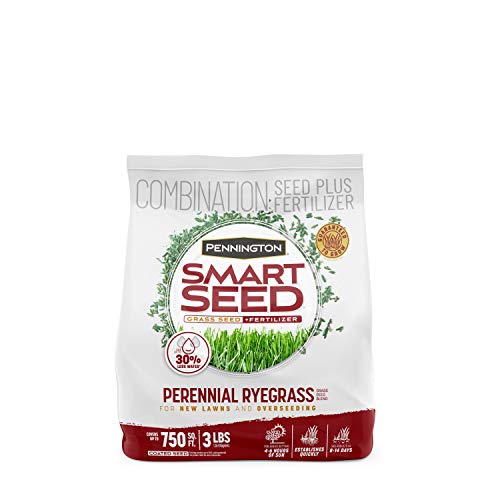
Best for: Homeowners establishing a permanent cool-season lawn or temporarily adding green growth to a warm-season lawn. This 3-pound product combines perennial ryegrass seed with fertilizer and is listed for areas receiving four to six hours of sun.
The product listing says results may appear in 8 to 14 days. Its partial-sun guidance makes it a better fit for some lawns than ryegrass products specified for full sun. It was selected because it is explicitly positioned for permanent cool-season lawns as well as temporary warm-season coverage.
Limitation: Ryegrass is a cool-season grass, so this is not a guarantee of strong performance through prolonged summer heat. Follow the package directions for seeding and care.
Pennington Annual Ryegrass

Best for: Southern lawn owners who want temporary green growth in winter. This 10-pound annual ryegrass product is described for overseeding southern lawns and calls for six to eight hours of full sun.
The listing gives a 3-to-7-day results timeframe, making it the quickest stated option among these lawn-oriented rye products. Choose it if fast seasonal coverage matters more than establishing a permanent ryegrass lawn.
Limitation: It is annual ryegrass intended for winter coverage, not a permanent lawn solution. Its full-sun requirement may make it unsuitable for heavily shaded areas.
Gulf Annual Oregon Ryegrass Seed

Best for: Buyers seeking a large quantity of annual ryegrass seed. The listed product is a 50-pound bag of annual ryegrass seed, which may suit larger planting areas better than small household packs.
It was selected because it is a straightforward annual ryegrass option for buyers comparing bulk quantities. The product information provided does not specify a germination timeframe, sun requirement, or whether the seed is intended for lawn overseeding, so check the package details before purchasing.
Limitation: The listing provides limited growing guidance. Avoid choosing it solely for summer lawn use without confirming the recommended planting season and application instructions.
Guardian Winter Rye Cover Crop Seed

Best for: Landowners looking for a cover crop, erosion control, soil protection, or food-plot planting rather than a conventional lawn. This 56-pound winter rye product is described as fast-growing in cooler temperatures, with winter hardiness and spring green-up.
Its stated purpose makes it a useful comparison for buyers searching broadly for “rye seed” who may actually need ground cover or soil improvement. The listing also highlights early vigor and rapid coverage to reduce bare soil exposure.
Limitation: This is presented as cover-crop seed, not as a fine-textured lawn product. Choose a turf-oriented seed if your goal is a typical residential lawn.
Pennington Kentucky 31 Tall Fescue
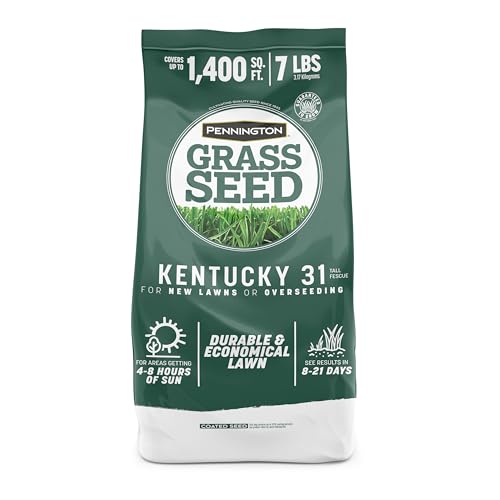
Best for: Buyers whose main concern is summer stress, heavy rain, or foot traffic rather than ryegrass specifically. Kentucky 31 is tall fescue, not ryegrass; the product listing says it grows thick blades that stand up to hot summers and heavy rains and holds up well under foot traffic.
The stated results timeframe is 8 to 21 days. It was selected as a practical non-rye comparison for shoppers searching for summer lawn seed, especially when durability is more important than using ryegrass.
Limitation: Choose another product if you specifically need ryegrass or seasonal winter overseeding. The provided details do not state a particular sun exposure requirement.
Buying Guide: How to Choose Summer Rye Grass Seed
Do you need a permanent lawn or temporary coverage?
Perennial ryegrass is the relevant choice when you want a cool-season lawn component that can persist. Annual ryegrass is generally selected for temporary seasonal coverage, including winter overseeding in southern lawns. Check the seed label for the intended use and recommended planting season rather than assuming all rye products behave alike.
How much sun does the planting area receive?
Match the product’s stated light needs to the site. Pennington Smart Seed Perennial Ryegrass lists four to six hours of sun, while Pennington Annual Ryegrass lists six to eight hours of full sun. If the area is shaded beyond those conditions, compare products with suitable shade guidance.
Is summer the right time to sow ryegrass?
Ryegrass is a cool-season grass, and the product information here emphasizes cool-season lawns or winter overseeding. In regions with hot summers, heat can make establishment and continued growth difficult. Confirm local planting guidance, soil conditions, and the package’s temperature recommendations before seeding.
Are you buying lawn seed or a cover crop?
Choose turf-oriented ryegrass for lawn overseeding or a lawn component. Winter rye cover-crop seed is intended for purposes such as erosion control, soil protection, and food plots. Those goals differ from creating a conventional residential turf lawn.
How quickly should you expect results?
The supplied product details list 3–7 days for Pennington Annual Ryegrass and 8–14 days for Pennington Smart Seed Perennial Ryegrass. These are listed timeframes, not guarantees; growing conditions and proper seeding practices affect establishment.
Frequently Asked Questions
Can ryegrass grow through summer heat?
Ryegrass is a cool-season grass and may struggle during sustained high temperatures. For a hot-summer lawn, compare heat-tolerant grass types and use ryegrass only when its seasonal role and local conditions are appropriate.
What is the difference between annual and perennial ryegrass?
Annual ryegrass is generally used for temporary seasonal coverage, while perennial ryegrass is used as a longer-term cool-season lawn grass. Check each seed product’s stated purpose and planting instructions.
Can I use winter rye cover-crop seed for my lawn?
Not necessarily. Cover-crop rye is marketed for soil coverage, erosion control, and related uses, while lawn seed is selected for turf. Choose based on the intended result.
Which option is listed as fastest to show results?
Pennington Annual Ryegrass has the shortest stated timeframe in these product details: 3 to 7 days. Actual emergence depends on growing conditions and proper care.
What should I choose if summer durability matters more than ryegrass?
Pennington Kentucky 31 is a non-rye tall fescue option whose listing highlights hot-summer performance, heavy-rain tolerance, and foot-traffic durability.