Best Tall Crepe Myrtle Trees for Colorful, Heightful Gardens
Answer: For tall, flowering specimens that bring long-lasting color to landscapes, choose established varieties with strong growth, reliable bloom cycles, and suitability for your climate. This guide highlights five top options and a short guide to buying the right tall crepe myrtle for your yard. The best fits include a white-spawning Natchez, a pink central-stem variety for dramatic height, a scarlet-red showstopper, a multi-pack for expanded coverage, and a reliable feeder to maximize bloom.
Overview table of selected products:
| Product | Best For | Size/Container | Key Benefit |
|---|---|---|---|
| Natchez Crape Myrtle (DAS Farms) | Tall growth, white blossoms | 1 ft tall shipped | Hardy, long bloom season |
| Center Stage Pink Crape Myrtle (Proven Winners) | Large landscape shrub/tree look | 2 Gallon | Vibrant pink blooms, strong growth |
| Scarlet Red Crape Myrtle Tree | Bold color display | 14-20″ tall | Brilliant scarlet blooms |
| Red Flowering Crape Myrtle Trees (6 Pack) | Dense, multi-tree coverage | Quart containers | Red blooms, regionally suited |
| Crepe Myrtle Plant Food (Carl Pool) | Growth and bloom boost | 24 oz soluble | Feeds through roots and leaves |
Natchez Crape Myrtle – Fast Growing White Flowering Tree

The Natchez Crape Myrtle from DAS Farms is a fast-growing white-flowering option. Its listed features emphasize readiness for planting upon arrival and growth in zones 7 through 10 with full sun. Best for buyers seeking a tall, reliable white bloom that becomes a canopy over time. Choose this if you want a classic white crepe myrtle that provides a strong vertical accent in warm climates. A potential limitation is the typical transition period during establishment; expect seasonal growth patterns as the plant settles in.
Best for: Gardeners wanting a tall, white-flowering focal point with robust growth in southern or warm temperate areas.
Center Stage Pink Crape Myrtle – 2 Gallon

This Proven Winners Center Stage Pink Crape Myrtle is sized in a 2-gallon container, positioning it for a strong landscape impact as it grows. Features suggest reliable bloom performance and roots development for healthy canopy expansion. Best for: landscape designs that intend a showy pink palette and strong late-summer color. Better for: customers seeking a ready-to-grow larger specimen that can anchor borders or entryways. Limitation: shipping in 2-gallon size may still require some root acclimation in extreme heat or cold.
Best for: Those wanting a vigorous pink-flowering specimen that becomes a standout focal point in sun-filled spaces.
Scarlet Red Crape Myrtle Tree

This Scarlet Red cultivar delivers bright scarlet blooms in robust clusters. The listing emphasizes its rapid growth and striking summertime display, making it a top pick for gardeners seeking high-visibility color in borders or along driveways. Best for: impatient gardeners who want quick color. Caution: color intensity can vary with sun exposure and local conditions; ensure full sun for best display.
Best for: A high-visibility, red-bloom focal point that attracts pollinators and enhances summer scenery.
6 Pack Red Flowering Crape Myrtle Trees
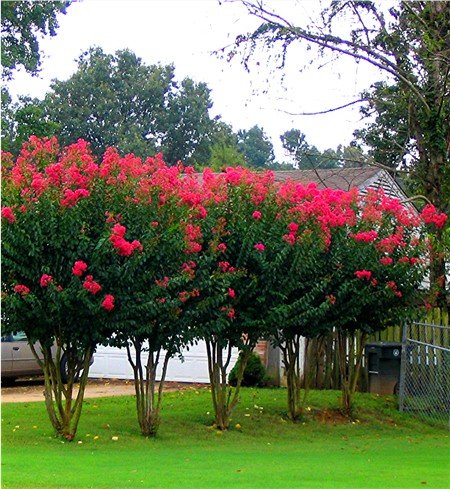
This 6-pack offers multiple red-flowering trees in quart containers, designed for broader coverage and a dramatic seasonal bloom display. Best for: southern climate landscapes or large properties where several trunks contribute to a continuous color show. Better for: quick, high-impact color along property lines or entrances. Limitation: multiple plants require more initial spacing and maintenance planning than a single specimen.
Crepe Myrtle Plant Food – Water Soluble
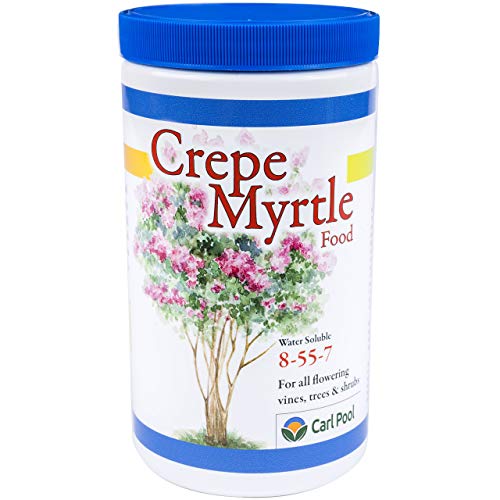
This water-soluble fertilizer by Carl Pool is built to feed crepe myrtles through roots and leaves, supporting taller growth and improved blooms. Best for: growers wanting a fast-acting feeding option that can easily dissolve in water. Caution: follow label directions to avoid over-fertilization, which can stress plants or lead to leaf burn.
Buying Guide: Tall Crepe Myrtle Selection Essentials
Choosing the right tall crepe myrtle depends on climate, sun exposure, space, and bloom timing. Consider the following:
- Climate compatibility: Look for varieties bred for zones 7–10 or your local climate to ensure winter hardiness and summer bloom integrity.
- Size and mature height: Some cultivars are naturally taller and wider; ensure your site has room for the mature canopy.
- Bloom color and season: White varieties like Natchez offer a classic look, while pink and red cultivars create bold color bursts during peak season.
- Soil and drainage: Crepe myrtles prefer well-drained soils; amend heavy soils to avoid root saturation.
- Maintenance and care: Some cultivars require pruning to maintain shape and encourage flowering; understand your preferred pruning routine.
- Feeding and fertilizer: Use a balanced fertilizer or a product designed for crepe myrtles to maximize bloom potential without overfeeding.
Comparison at a Glance
- Best for tall white display: Natchez Crape Myrtle (DAS Farms).
- Best for bold pink accent: Center Stage Pink (Proven Winners).
- Best red standout: Scarlet Red Crape Myrtle Tree.
- Best for wide color coverage: 6 Pack Red Flowering Crape Myrtle Trees.
- Best bloom booster: Carl Pool Crepe Myrtle Plant Food (water soluble).
Frequently Asked Questions
- Which crepe myrtle grows tallest? Many varieties grow tall over time; Natchez and Center Stage Pink are known for strong vertical growth patterns in the right conditions.
- Do crepe myrtles require pruning? Yes, light pruning helps shape and encourage flowering, though excessive pruning can reduce bloom potential.
- When should I fertilize crepe myrtles? Fertilize in early spring and again after heavy bloom periods if growth seems slow; avoid late-season feeding in cold climates.
- Can I plant crepe myrtle in partial shade? They perform best in full sun, which promotes the most abundant blooms and tallest growth.
- Are artificial crepe myrtle trees a good substitute? Artificial trees require no watering or pruning but lack real bloom cycles and can’t attract pollinators.
- What soil conditions support tall growth? Well-drained soil with moderate fertility supports steady growth; amend heavy or clay soils for better drainage.