Best Topsoil for St Augustine Grass: Prep Tips for a Lush, Healthy Lawn
St. Augustine grass thrives when the soil is properly prepared and the lawn is actively maintained. While choosing the right topsoil and soil amendments is essential, having the right plugs and turf-care products on hand can accelerate establishment and sustain long-term color and density. This guide presents five Amazon-sourced products that complement soil prep for St. Augustine lawns, along with practical considerations for purchasing topsoil, planting plugs, and maintaining an even, resilient turf. Use the quick-reference table below to compare key details at a glance.
| Product | Brand | Size / Count | Approx. Coverage | Notes |
|---|---|---|---|---|
| SodPods Palmetto Grass Plugs (32-Count) | SOD PODS | 32 plugs (3″ x 3″ each) | 72 sq ft (when planted 18″ apart) | Cannot ship to CA/AZ; soft, dense carpet-like growth |
| Palmetto St. Augustine Grass Plugs | Generic | Not specified | Not specified | Performs well in many soils; good shade and salt tolerance |
| LESCO 50 lb St. Augustine Grass Weed and Feed | LESCO | 50 lb | Approximately 13,000 sq ft | 17-0-17 fertilizer; slow-release up to 8 weeks; safe for Floratam; apply wet turf |
| SodPods Seville Grass Plugs (64-Count) | SOD PODS | 64 plugs (3″ x 3″ each) | 144 sq ft (when planted 18″ apart) | Premium texture: fine, narrow blades; plush lawn |
| St. Augustine Palmetto 36 Live Plugs | Florida Foliage | 36 plugs | Not specified | Palmetto cultivar; shade, drought, and salt tolerant; semi-dwarf, plush look |
SodPods Palmetto Grass Plugs (32-Count)

These 32 St. Augustine Palmetto SodPods come in four trays of eight plugs each. Each plug measures 3″ x 3″, delivering a compact, ready-to-plant option for patching bare spots or accelerating lawn establishment. Once mature, the pack covers about 72 square feet when plugs are planted 18 inches apart. The Palmetto variety is prized for dense growth and a softer texture compared with coarser grasses, helping create a carpet-like lawn. Note that this product cannot be shipped to California or Arizona, which may affect availability in some markets.
Effective use with topsoil starts with properly prepared soil. Before planting plugs, remove weeds and loosen the top 4–6 inches of soil to improve root penetration. Incorporate a light layer of high-quality topsoil or premium compost to boost organic matter and water-holding capacity. Plant plugs at the recommended spacing, water gently to settle the soil, and maintain consistent moisture during the establishment phase. With warm-season grasses like St. Augustine Palmetto, timing and moisture management are essential for rapid, uniform growth.
Palmetto St. Augustine Grass Plugs
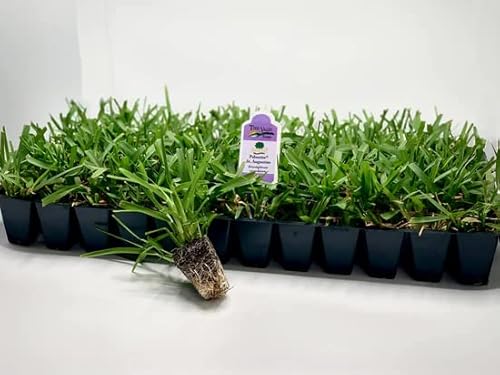
The Palmetto St. Augustine Grass Plugs are a versatile option designed to establish or expand a Palmetto-labeled lawn. They are described as performing well in a variety of soils, with notable shade tolerance and salt tolerance. For soil prep, ensure the site has drainage that avoids pooling and consider amending heavy soils with organic topsoil and compost to improve structure. After laying plugs, water consistently to keep the soil uniformly moist but not saturated. Palmetto’s texture and color respond to proper maintenance, including appropriate mowing height and regular feeding schedules aligned with local climate conditions.
Product support for soil prep emphasizes good drainage and a soil pH close to neutral. If your soil test shows acidity or alkaline bias, amend accordingly with lime or sulfur to move the pH toward optimal levels for St. Augustine. A well-prepared bed—augmented with premium topsoil or compost—will support quicker root development and better establishment for these plugs, helping the lawn reach its intended density and color faster than bare soil alone.
LESCO St Augustine Grass Weed And Feed
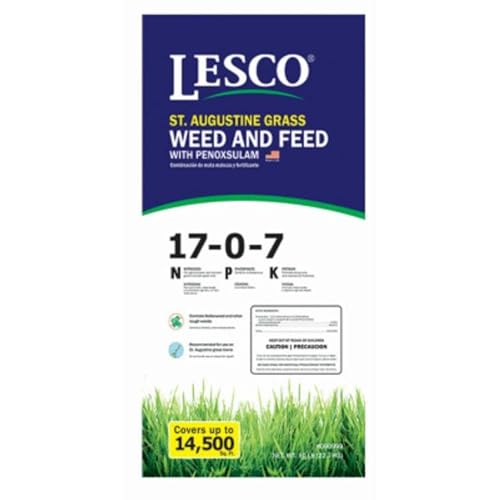
Lesco’s 50-lb St. Augustine Weed and Feed is a comprehensive option for active lawns needing both fertilization and weed control. The formulation is described as 17-0-17 with slow-release properties designed to provide feeding for up to eight weeks, supporting sustained growth and improved color. It is specifically marketed for St. Augustine turf and is safe for Floratam varieties. Application guidance notes applying while the turf is wet, then allowing it to dry before irrigation or activity resumes. Use as part of a broader lawn-care plan that includes soil tests and appropriate irrigation.
When thinking about soil preparation, a top-dressed bed with quality topsoil can create a better rooting zone for fertilizer efficacy. Soil amendments that improve drainage can reduce the risk of fertilizer burn and disease pressure, particularly in clay-heavy soils. For best results, apply the product according to label directions and integrate it into a regular maintenance calendar that includes aeration and seasonal feeding aligned with your local climate and soil testing outcomes.
SodPods Seville Grass Plugs (64-Count)

The Seville variety plugs come in a 64-count pack, arranged in eight trays of eight plugs each. Each plug measures 3″ x 3″, and the expected coverage is about 144 square feet when planted with 18-inch centers. The texture is described as fine with narrow blades, contributing to a plush, dense appearance as the lawn fills in. Seville is noted for its salt, shade, and drought tolerance, making it a versatile choice across varying southern climates. As with Palmetto plugs, ensure proper soil prep to maximize establishment and growth.
Soil preparation for Seville plugs should emphasize improved drainage and soil structure. Add premium topsoil or compost to the planting bed to encourage rapid rooting and even distribution. Water management is crucial during establishment—keep the soil consistently moist but avoid waterlogging. After initial rooting, resume a steady irrigation schedule and implement a balanced maintenance plan that includes periodical mowing and a fertilizer routine tailored to St. Augustine care standards.
St. Augustine Palmetto 36 Live Plugs

The Palmetto 36 Live Extra Large Grass Plugs are designed for rapid establishment of the Palmetto cultivar, renowned for shade, drought, and salt tolerance. This batch provides 36 plugs tuned to create a lush, resilient lawn with a plush texture. When pairing these plugs with topsoil, aim for a smooth, well-draining seedbed-like base, enriched with organic matter to encourage quick rooting. Palmetto’s performance under moderate shade and challenging conditions makes it a popular choice for southern landscapes with varied sun exposure.
For soil readiness, consider a soil-test-driven approach: determine pH and nutrient status, then amend the bed with appropriate topsoil and compost to improve structure and drainage. Upon planting, water consistently to sustain newly established roots, then transition to a regular maintenance cycle incorporating mowing at appropriate height and seasonally appropriate fertilization. The Palmetto cultivar responds well to stable moisture and balanced nutrition, helping the lawn reach optimal color and density over successive growing seasons.
Buying Guide
Topsoil readiness matters as much as choosing the right plugs or fertilizer. Here are practical considerations to help you select the best products for a St. Augustine lawn and compare how they fit into your overall soil and turf care plan:
- Soil testing and amendments: Start with a soil test to determine pH and nutrient levels. St. Augustine grasses prefer mildly acidic to neutral soil (pH roughly 6.0–7.0). If your soil is too acidic or alkaline, add lime or sulfur as recommended, and incorporate premium topsoil or compost to improve drainage and organic matter.
- Topsoil quality: Choose topsoil with good structure, low salt content, and a balanced organic matter profile. For heavy clay soils, a blend with sand or organic compost can improve drainage and root penetration. Avoid soil with weed seeds or contaminants that could affect establishment.
- Drainage and grading: Ensure the planting area drains well to prevent standing water. Gentle grading directs water away from foundations and toward healthy roots. Poor drainage undermines plug establishment and increases disease risk.
- Cultivar selection: Palmetto and Seville are common St. Augustine cultivars. Palmetto offers a finer texture and good shade tolerance; Seville provides strong color retention and shade tolerance as well. Choose a cultivar based on sun exposure, climate, and salt tolerance in your area.
- Planting method: For rapid establishment, plugs offer quicker coverage than seed in many climates. Sod-plug products deliver instant lawn look but require careful soil preparation and consistent moisture during establishment. Ensure proper spacing (18 inches on center is common for plugs) and water management during the first several weeks.
- Watering and irrigation: Newly planted plugs require frequent, light watering to keep soil evenly moist while roots establish. As roots develop, transition to deeper, less frequent watering to promote drought tolerance.
- Fertilization plan: Use a balanced fertilizer schedule aligned with soil test results. Slow-release formulations help sustain growth while reducing the risk of nutrient burn. For weed control, follow label directions and apply products at the appropriate growth stage.
- Shade and microclimates: If your yard has substantial shade, prioritize cultivars known for better shade tolerance and pair with deeper topsoil amendments to improve moisture retention and root development in shaded areas.
- Maintenance routine: Regular mowing at recommended heights (often around 3 inches for St. Augustine) helps maintain density and color. Aerate annually if your soil compacts easily, and monitor for pests and diseases common to warm-season grasses.
- Long-term expectations: Topsoil and plugs aid establishment, but a healthy lawn also depends on ongoing maintenance, seasonal adjustments, and adapting to local climate patterns. Evaluate results year over year and adjust feeding, irrigation, and mowing practices accordingly.