Best Treatments for Black Spot on Roses: Fungicides and Natural Options
Roses add beauty to gardens, but black spot disease (Diplocarpon rosae) remains a common challenge for many rose varieties. This guide highlights five trusted Amazon options—ranging from natural fungicides to OMRI-listed sprays and ready-to-use solutions—to help prevent and treat black spot while protecting overall plant health. The selections emphasize effective coverage, safety for home gardens, and practical application tips to minimize recurring infections.
| Product | Brand | Best For | Notes |
|---|---|---|---|
| Earth’s Ally Disease Control | Earth’s Ally | Natural fungicide for roses and ornamentals | Citric-acid based, safe for people, pets, and planet |
| Garden Safe Fungicide3 | Garden Safe | Organic compatibility; black spot, rust, powdery mildew | 3-in-1 fungicide, insecticide, miticide |
| Safer Brand SG5450 Fungicide | Safer Brand | Organic-compatible control of black spot and other fungal diseases | Sulfur-based; OMRI-listed |
| Monterey Neem Oil Spray | Monterey | Fungal diseases and pests on roses | Ready-to-use; neem oil active ingredient |
| Red Rose Naturals African Black Soap | Red Rose Naturals | Skin care (not for plants) | Natural soap for personal use; not a plant treatment |
The table above presents five products aligned with the focus on black spot in roses. The first four are plant-care items designed to protect and treat roses and other ornamentals, while the fifth is listed for completeness due to its name, but it is not a plant disease treatment. Use the product details and labels to guide your selection and follow label directions for best results.
Earth’s Ally Disease Control For Roses

Earth’s Ally Disease Control Concentrate is a natural fungicide designed to treat and prevent common plant diseases on roses, including black spot. The 32-ounce concentrate can be mixed at label directions to cover roses in home gardens. It targets powdery mildew, downy mildew, blight, canker, black spot and leaf spot, helping to maintain overall plant vigor. The formula emphasizes safety by using citric acid to provide an organic approach rather than harsh synthetic residues.
Key advantages include its emphasis on safety for people, pets, and the environment, making it suitable for gardeners seeking a lower-chemical-impact option. The product is described as safe for use on fruits, vegetables, flowers, ornamentals, trees, and shrubs, which supports a broader disease-management plan for mixed plantings. For best results, apply according to the directions and reapply after heavy rain to maintain protective coverage on leaf surfaces.
Application tips: spray during dry weather and ensure thorough canopy coverage, including both upper and lower leaf surfaces. Avoid applying during extreme heat and follow any withholding periods for edible crops if used near fruit-bearing plants. Routine monitoring of leaf spots and early intervention can help minimize breakthrough infections and reduce the need for harsher treatments later in the season.
Garden Safe Fungicide3 For Roses

Garden Safe Fungicide3 is designed for organic gardening, making it a versatile option for rose care. The 32-ounce bottle is suitable for use in home gardens around roses, flowers, houseplants, ornamental trees, shrubs, fruits, and vegetables. This product provides a fungicidal option to help prevent and control fungal diseases, including black spot, rust, and powdery mildew.
The formulation is marketed as a 3-in-1 product—fungicide, insecticide, and miticide—allowing gardeners to address multiple pests and fungal threats with a single spray. For roses, this can reduce the frequency of separate treatments, which can be helpful in busy garden periods. Follow label directions for mixing, application intervals, and safety considerations to protect beneficial insects and pollinators while maintaining disease control.
Practical tips: apply in the early morning or late afternoon to minimize leaf burn, and ensure good spray coverage on both sides of leaves. Rotate with other modes of action over the growing season to reduce the risk of resistance. While effective, some gardeners may prefer to combine with cultural practices—such as pruning infected foliage and improving air circulation—to further reduce black spot pressure.
Safer Brand SG5450 Fungicide

Safer Brand SG5450 Fungicide Ready-to-Use Spray is a sulfur-based fungicide designed to prevent and control fungal diseases such as black spot, powdery mildew, rust, and leaf spot. The product is labeled for organic gardening and can be applied to roses to protect foliage and blooms from disease pressure. The ready-to-use format provides convenience for gardeners who want a straightforward spray option without mixing.
OMRI-listed status indicates organic suitability in many garden systems, with the caveat that growers should follow label directions for application timing, plant safety, and harvest intervals. The sulfur-based chemistry can be effective in drought-prone periods when canopy moisture is reduced, though it may require more frequent reapplication after rain. As with all fungicides, apply when symptoms first appear or as a preventive spray during wet spring and early summer conditions.
Application guidance: apply evenly to both leaf surfaces, avoiding excessive overspray that can cause leaf burn in hot weather. Lang-term disease management often benefits from integrating pruning to improve air flow, sanitation to remove infected leaves, and complementary products with different modes of action to minimize resistance development.
Monterey Neem Oil Spray

Monterey Neem Oil Spray is a ready-to-use neem oil-based product designed to protect roses and other plants from a range of fungal diseases and insect pests. It is especially valued for providing a broad-spectrum approach in organic gardening. The label indicates effectiveness against black spot, powdery mildew, rust, and several pests such as mites and aphids, making it a convenient option for integrated disease and pest management on roses.
Key considerations include careful application to ensure full coverage of both upper and lower leaf surfaces, and avoiding spraying during bloom for certain roses if nectar or beneficial pollinators are a concern. Neem oil products require proper timing and may be less effective in heavy rain; reapplication after rainfall is usually recommended. As with other plant-care products, follow label directions to avoid phytotoxicity on sensitive ornamental varieties.
Practical tips: test a small leaf area first if applying new formulations, and combine with cultural practices like pruning and improving air circulation to maximize the benefits of neem-based disease control for roses.
Red Rose Naturals African Black Soap
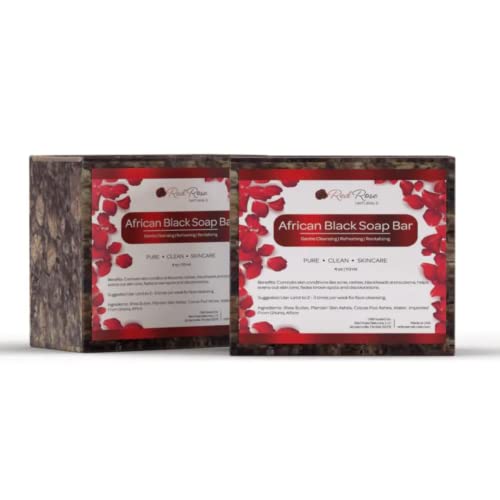
Red Rose Naturals African Black Soap is a natural soap marketed for cleansing the skin and addressing dark spots on the body. It is not intended for plant disease control or garden use. This product is included for completeness due to its name and the “black spot” terminology, but it should not be used on plants or in a rose garden to treat black spot disease. Gardeners should rely on the plant-focused products listed above for effective disease management on roses.
For readers seeking a broader wellness routine, this product highlights the importance of using purpose-built solutions for different contexts. In the garden, prioritize products with labeled efficacy against black spot, compatible with your gardening approach (organic or conventional), and aligned with the scale of your rose beds.
Buying Guide
Choosing The Right Treatment For Black Spot
Black spot on roses typically requires a targeted fungicidal approach, combined with cultural practices that limit infection. For organic or minimally synthetic options, sulfur-based products (like SG5450) and neem oil-based sprays (like Monterey Neem Oil) are common choices. Citric-acid based or other natural fungicides (like Earth’s Ally) offer alternative modes of action that may suit sensitive environments. Consider the severity of infection, the growth stage of roses, and whether you prefer a multi-action product (fungicide plus insecticide/miticide) or a focused disease-control spray.
Organic Options Versus Conventional
OMRI-listed products provide assurance for organic growers, with Garden Safe Fungicide3 and Safer Brand SG5450 serving as typical examples. Organic options often require more frequent application and may have slower immediate results than synthetic fungicides. Where pest pressure is also a concern, a multi-action product can streamline treatment. Always follow label directions to maintain organic integrity and protect pollinators during application.
Active Ingredients And How They Work
Different products employ diverse mechanisms. Citric-acid-based formulations in Earth’s Ally act as natural antifungals with a gentler profile. Sulfur-based products (Safer Brand SG5450) disrupt fungal growth and spore development, often favored in cooler, wet springs. Neem oil products (Monterey Neem Oil) deter pests and can reduce fungal surface infections when coverage is thorough. Neem oil-containing Garden Safe Fungicide3 adds insecticidal and miticidal action, broadening pest-management capabilities while addressing fungal disease.
Application Timing And Safety
Apply preventively at the first signs of black spot and after rain events that wash away protective residue. Early morning or late afternoon applications minimize leaf burn and protect beneficial insects. Maintain thorough coverage, including the undersides of leaves, for the best results. Wear protective gear as recommended on product labels and avoid mixing products with incompatible chemicals, unless the label allows it.
Rotation And Resistance Management
To reduce the risk of fungal resistance, rotate products with different active ingredients and modes of action. Pair chemical strategies with cultural practices—such as pruning infected canes, improving air circulation, and removing fallen leaves—to interrupt disease cycles. In organic systems, rely more on preventive measures and diverse modes of action to sustain efficacy over multiple seasons.
Plant Health And Sanitation
Healthy plants tolerate infections better and recover more quickly. Sanitation—removing heavily infected leaves, keeping foliage dry, and tidying the bed—complements chemical controls. Combine product use with watering practices that avoid wetting foliage during late day irrigation. A proactive approach that integrates pruning, fertilization tailored to rosacea health, and consistent monitoring will improve long-term outcomes against black spot.
Quick Reference At A Glance
- Best for organic gardeners: Garden Safe Fungicide3 or Safer Brand SG5450
- Natural option with citric acid: Earth’s Ally
- Pest and fungus control in one product: Garden Safe Fungicide3
- Neem-based pest control with disease suppression: Monterey Neem Oil
- Non-plant product listed for completeness: Red Rose Naturals African Black Soap (not for plants)