Best Unique Perennials for Zone 5 Gardens
Answering the question, these selections offer distinct, resilient perennials suited to USDA Zone 5. They emphasize hardy blooms, pollinator appeal, and low-maintenance care. The top picks are best for gardeners seeking long-lasting color, wildlife-friendly landscapes, and soil adaptability in Zone 5 climates. The buyer travel guide below highlights who benefits most from each option.
| Product | Why It Stands Out |
|---|---|
| Seeds Multicolor Tall Lupine Mix — 50+ Seeds | Tall spikes, multicolor palette, ideal for borders and pollinator beds. |
| ZEshops 100 Lupine Flower Seeds | Dense color mix, great for edging and naturalized areas; non-GMO. |
| Loseedsoo 2000+ Wild Columbine Seeds | Abundant seeds, native appeal, shade tolerance for understory beds. |
| 30 Tricyrtis Seeds — Toad Lily | Exotic, orchid-like flowers, thrives in shade gardens. |
| Eden Brothers Midwest Wildflower Mixed Seeds | Large mix for pollinator habitats across zones 3-10. |
Seeds Multicolor Tall Lupine Mix

Features include tall flower spikes in pink, purple, yellow, and white with heights up to 3 feet. The mix is described as easy to grow and low maintenance, suitable for beginners, and capable of thriving in poorer soils once established. It’s pollinator-friendly, attracting butterflies and bees—an ideal choice for visual impact and ecological benefit. Best for: border plantings, cut-flower borders, and wildlife-friendly beds that need vertical accents. Limitation: Lupine can be sensitive to overly fertile soils or improper drainage; ensure good drainage to prevent root issues.
ZEshops 100 Lupine Seeds
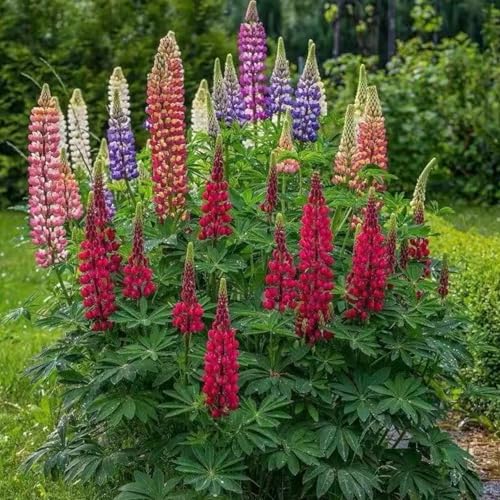
Features describe a vibrant color mix with 100 seeds producing eye-catching spikes, ideal for borders and backdrops. The seeds are open-pollinated, non-GMO, and designed for pollinator Gardens—supporting bees and butterflies while adding natural color to landscapes. Best for: mid-height borders, cottage gardens, and pollinator corridors. Caution: Germination timing may vary; provide consistent moisture during emergence to maximize success.
Loseedsoo 2000+ Wild Columbine Seeds

Offers 2000+ seeds for planting, focusing on native-like red and yellow nodding blooms that provide color from spring through early summer. Pollinator-friendly, inviting hummingbirds and butterflies, which enhances wildlife value in the garden. Best for: woodland edges, shade-tolerant borders, and naturalized beds where shade is a factor. Limitation: Columbine can be susceptible to seed molds in overly damp environments; ensure proper drainage and avoid overwatering in poorly drained soils.
30 Tricyrtis Seeds — Toad Lily

Product features describe 30 premium Tricyrtis seeds, known for orchid-like, spotted flowers that thrive in shade. These perennials add exotic flair to woodland gardens and borders in Zone 5. Best for: shaded beds, understory borders, and mixed perennial borders that need a unique focal point. Caution: Tricyrtis seed viability can vary; stratification or soaking may improve germination rates in some batches.
Perennial Species Mix — 5g Envelope

Contains over 2,500 live seeds in a large 5-gram envelope, labeled as a perennial mix suitable for borders or naturalized areas. The blend emphasizes hardy perennials that attract pollinators and provide continuous color. Best for: expansive garden plots, wildflower meadows, and pollinator habitats. Caution: Mix composition may vary; check seed packet for exact species included to plan bloom timing and color coordination.
Eden Brothers Midwest Wildflower Mix

Wildflower mix designed for zones 3-10, with 120,000+ seeds including foxglove and forget-me-nots, among others. It’s described as attracting pollinators and supporting a wildlife-friendly garden. Best for: mass plantings, prairie-style borders, and large pollinator beds in Zone 5. Caution: As a broad mix, bloom timing and plant heights can vary; plan staggered planting to maintain year-round interest.
Buying Guide: Key Considerations For Zone 5 Perennial Gardens
- Climate compatibility: Zone 5 experiences cold winters and warm summers. Choose perennials with hardiness and reliable spring emergence.
- Soil and drainage: Many perennials prefer well-drained soil. In poor soils, select varieties that tolerate low fertility or amend beds with compost.
- Pollinator value: If supporting bees and butterflies is a goal, prioritize mixes labeled pollinator-friendly and natives when possible.
- Sun exposure: Group plants by sun needs—full sun, partial shade, or full shade—to optimize bloom and growth.
- Maintenance level: For low-maintenance interest, pick perennials with longer bloom windows and good drought tolerance after establishment.
Quick Comparison By Use
- Best for vertical appeal: Seeds Multicolor Tall Lupine Mix.
- Best for border color: ZEshops 100 Lupine Seeds.
- Best for shade gardens: Loseedsoo Wild Columbine or Tricyrtis seeds.
- Best for large pollinator beds: Eden Brothers Midwest Wildflower Mix and Perennial Species Mix.
Frequently Asked Questions
- What is the best perennial for Zone 5 that attracts pollinators? Many lupine varieties and the wildflower mixes listed are pollinator-friendly; look for names that emphasize butterflies, bees, and hummingbirds.
- Do these seeds need stratification or special treatment? Some perennials like Tricyrtis may benefit from light stratification or soaking, but most lupines germinate with standard sowing as directed on the packet.
- Can I grow these in shade or partial shade? Columbine and Tricyrtis seeds are well-suited for shade, while lupines prefer sun to partial sun for best bloom.
- Will these seeds come back year after year? Perennial mixes and species within the lists are designed to be perennials in Zone 5, but some seed blends include annuals; verify each packet’s composition.
- How large will mature plants get? Lupines can reach up to 3 feet; Tricyrtis are typically smaller but with striking flowers. Plant heights help with garden planning and spacing.
- Are these seeds non-GMO? Several entries note non-GMO or open-pollinated seed options; always check the product description for confirmation.