Best Value Composite Decking for Durable, Low-Maintenance Outdoor Spaces
Choosing value in composite decking means balancing upfront costs with long-term durability and low upkeep. This guide highlights five cost-conscious options that help you build a resilient outdoor living space without sacrificing style. From interlocking tiles that install quickly to universal fasteners that streamline installation with standard tools, these products span both decking surfaces and the accessories that keep them secure. Read on for an objective look at materials, features, and what to consider when comparing options for patios, balconies, and poolside areas.
| Product | Type | Notable Benefit |
|---|---|---|
| ShunHong Interlocking Deck Tiles | Deck Tiles | Durable, low-maintenance surface with easy, tool-free installation |
| Feilingwood Composite Tiles | Deck Tiles | FSC-certified materials; textured for slip resistance |
| IDZO Deck Tiles Set of 10 | Deck Tiles | Interlocking design; DIY-friendly assembly |
| Gyykzz Hidden Deck Fasteners (200 Pack) | Hidden Fasteners | Universal fit; clean deck appearance with no exposed fasteners |
| Yeipower Hidden Fasteners (1000 PCS) | Hidden Fasteners | High quantity for large projects; efficient installation |
ShunHong Interlocking Deck Tiles

ShunHong uses a durable polymer composite that blends high-density polyethylene (HDPE) with recycled wood fibers. The tiles are designed for all-weather use, offering waterproof performance, flame retardancy, and resistance to deformation or cracking. The interlocking design enables straightforward, tool-free installation and can be cut to fit irregular spaces. Maintenance is minimal—sweep or rinse as needed, and the open mesh beneath aids drainage to keep the surface cleaner. This system aims to extend deck life beyond traditional wooden or plastic tiles while reducing ongoing upkeep.
Ideal for poolside areas, balconies, and patios, these tiles provide a stable, slip-resistant walking surface with relatively quick project completion. Since they are modular, you can expand or reconfigure your deck as needed. While installation is straightforward, ensure a flat, solid base for the best long-term performance. These tiles emphasize longevity and practicality for value-focused projects.
Feilingwood Composite Tiles

Feilingwood deck tiles combine wood fibers with HDPE and a polymer coating for enhanced moisture resistance, reducing the risk of rot, mold, and warping in damp environments. The FSC-certified materials support sustainable sourcing while delivering durable performance in wet climates. Installation is a snap with an interlocking mechanism that snaps together without tools; the tiles can also be trimmed to fit edges, making them suitable for balconies, patios, and rooftops. A textured surface helps improve traction, contributing to safer outdoor walking surfaces during rain or dew.
These tiles are marketed as low-maintenance and designed to withstand exposure to sun, rain, and temperature fluctuations. Their modular format allows for easy expansion or reconfiguration, so you can tailor your space over time. For value-oriented buyers, Feilingwood offers a balance of environmental responsibility, durability, and DIY-friendly installation that suits budget-conscious projects without sacrificing aesthetics.
IDZO Wood Plastic Deck Tiles Set of 10

IDZO’s tiles use FSC-certified wood-plastic composite, merging the strength of wood with waterproofing benefits of plastic. The tiles are designed to resist moisture, splitting, and rot while maintaining durability against heat and corrosion. Installation is completed through a simple interlocking system, and the tiles can be cut with a jigsaw to fit unique spaces. This option appeals to DIY enthusiasts seeking a sustainable, long-lasting deck surface with straightforward assembly and maintenance. The 10-piece set helps cover moderate areas efficiently and can be expanded with additional tiles as needed.
Beyond practicality, IDZO emphasizes responsible material sourcing, which may align with buyers seeking eco-friendly decking solutions. The combination of ease-of-installation and durability makes these tiles a versatile choice for a variety of outdoor settings, including patios and rooftop decks, while maintaining a focused budget for value-conscious projects.
Gyykzz Hidden Deck Fasteners (200 Pack)

These hidden deck fasteners are designed to be compatible with Trex and other edge-groove decking brands. The fastener thickness is 3 mm, helping to achieve a seamless, clean look with concealed fasteners. Made from high-density polymer, they offer durability and corrosion resistance suitable for outdoor use, and their strength supports stable decking over time. The included stainless steel screws improve fastening reliability, and the set is sized to cover a 500-square-foot deck with adjustable installation modes to fit varying joist spacing. The result is a tidy deck surface with fewer visible attachments.
For installers prioritizing a streamlined appearance and faster workflow, these fasteners reduce visible hardware while maintaining strength. They are a practical add-on for value-focused decking projects where a seamless finish is important, especially on larger installations that benefit from bulk quantities and consistent results across the entire surface.
Yeipower Hidden Fasteners (1000 PCS)
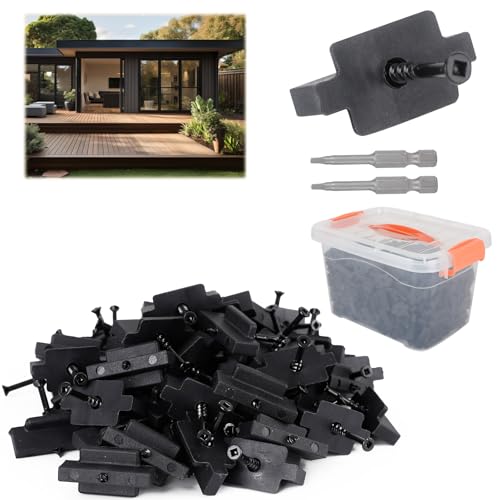
Yeipower offers a bulk set of hidden fasteners designed specifically for composite decking with grooves. The fasteners are made from high-density nylon for strength and corrosion resistance, and stainless steel screws are included to secure the fasteners in place. This kit aims to improve installation efficiency and ensure a firm, long-lasting deck. The package contains 1,000 fasteners, suitable for larger projects or multiple deck sections, and comes with multiple drive bits to accommodate different needs and spaces. The system is designed to minimize deck visible fasteners while providing reliable performance across a variety of weather conditions.
From a value perspective, this kit targets homeowners planning larger renovations or new deck builds who want to maximize efficiency and consistency. For contractors or DIYers handling extensive areas, the large quantity helps reduce the need for frequent restocking, enabling smoother project execution and uniform results across the deck surface.
Buying Guide
Key considerations when selecting value-oriented composite decking products include material composition, durability, installation method, and environmental impact. The following perspectives help clarify choices for different scenarios and priorities.
- Deck Surface Type: Tiles vs. planks. Interlocking deck tiles offer quick coverage and simple expansion, ideal for budget projects or temporary installations. Tiles require a flat, stable base but can be trimmed to fit irregular spaces. Plank-style decking may provide a more seamless look, but installation often takes longer and may require tools.
- Durability and Weather Resistance: Look for HDPE-based composites or wood-plastic composites (WPC) with moisture resistance, mold resistance, and UV stability. Materials that resist warping, cracking, or rot help justify higher upfront costs over time through lower maintenance.
- Maintenance Expectations: Most modern composites require minimal upkeep—sweeping and occasional rinsing. Some products claim cost savings by reducing oiling, staining, or sealing needs. Consider whether the surface requires periodic cleaning or treatment and how that aligns with your lifestyle.
- Installation Simplicity: Interlocking systems and hidden fasteners can reduce installation time and produce a cleaner finish. DIY-friendly options appeal to homeowners on a tighter budget, while professional installations may offer faster completion and consistent results on larger projects.
- Environmental Impact: FSC-certified materials and recycled content support sustainable choices. If eco-friendliness matters, verify certifications and material sources to ensure alignment with environmental values.
- Compatibility and Expansion: If you plan to extend the deck later, modular tile systems offer flexibility. For long-term decks, ensure fasteners and clips are compatible with the decking boards you intend to use and that the system supports future upgrades or changes in layout.
- Durability vs. Cost: While tiles can seem less expensive initially, long-term maintenance costs and replacement frequency should factor into total cost of ownership. Compare tile systems with plank decking in terms of lifespan, maintenance, and expansion options.
- Warranty and Support: Review manufacturer warranties to gauge expected performance. A longer warranty can provide peace of mind, particularly for outdoor installations exposed to harsh weather.
Choosing the best value involves weighing upfront materials and installation costs against long-term durability, maintenance needs, and the flexibility to adapt the space over time. The five products reviewed here provide a range of options—from quick-install tile systems to robust hidden-fastener kits—allowing you to tailor your deck project to climate, budget, and DIY comfort level while prioritizing durability and clean aesthetics.