Best Vegetable Garden Shade Cover Solutions for Sun Protection
Answering the common question, the best shade covers for a vegetable garden are practical, UV-blocking fabrics that reduce heat and water loss while preserving essential light. These picks suit backyard growers, greenhouse hobbyists, and raised-bed gardeners seeking simple, installable shade with durable materials. The following five products balance shading effectiveness, ease of use, and long-term value for different garden setups.
Summary table of selected products
- 55% Shade Cloth for Garden, Black Shade Net 6.5X10 FT — SUN protection with 55% shading, HDPE knit, cut-to-fit flexibility.
- 30 x 10 Ft Plant Sun Protection Cloth — White shade cloth, non-woven, breathable, cut-to-fit.
- 2026 Upgraded Garden Shade Cloth Kit — 75% shading, complete hoop kit for raised beds, durable HDPE.
- 1Pack Raised Garden Bed Covers — 30% shading, foldable mesh tent with roll-up window.
- Cool Area Sun Shade Cloth — 55% shading, new HDPE, grommets for easy setup, tear-resistant.
55% Shade Cloth for Garden, 6.5X10 FT
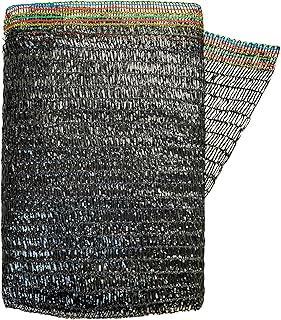
Best for hobbyist gardeners who need a ready-to-cut shade fabric for raised beds, containers, or greenhouse borders. This shade cloth blocks up to 55% of sunlight, softening UV intensity while preserving adequate light for photosynthesis. It helps regulate temperature, improves airflow, and can reduce watering frequency when placed over plant rows or beds. The HDPE knit construction resists tears and withstands outdoor use.
Who it’s best for: small-to-medium garden plots needing moderate shade without complex setup. Why selected: straightforward sizing, durable material, and reliable UV protection in one roll. Caution: cutting or positioning may require tie-downs or weights for windy sites.
30 x 10 Ft Plant Sun Protection Cloth
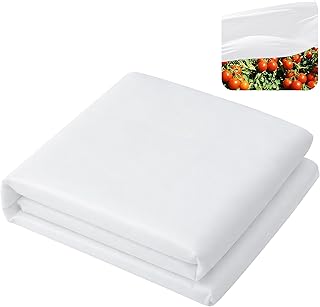
This white non-woven shade cloth emphasizes even light refraction and breathability. It is designed to block intense sun while maintaining daylight quality, helping prevent wilting in hot months. The fabric is lightweight, tear-resistant, and easy to cut to fit different layouts, making it suitable for rows, tunnels, or over raised beds when a lighter shade is desired.
Best for: growers needing balanced light and cooling with simple customization. Why selected: full-spectrum light refraction supports steady plant growth, while non-woven material provides good air flow. Caution: white shade fabric can show dirt easily and may require periodic cleaning for best appearance.
2026 Upgraded Garden Shade Cloth Kit

Best for raised beds and modular gardens, this kit includes shade cloth, garden hoops, connectors, clips, and gloves to form a complete shading system. The cloth shades at 75% and blocks harsh sun and UV rays while leaving enough light for crops. Hoops allow flexible placement and shape to fit irregular bed outlines, and the reinforced seams improve tear resistance.
Who it’s best for: gardeners who want a turnkey shade solution with structural support for raised beds. Why selected: high shading rate combined with a modular hoop system offers strong wind resistance and adjustable coverage. Caution: assembly requires several components and some setup time.
1Pack Raised Garden Bed Covers

Best for individual beds or containers, this pop-up mesh cover provides 30% shade while allowing airflow and water passage. It offers a foldable design with a zippered roll-up window for plant inspection, ideal for seasonal use and easy storage. The dark green mesh helps blend with garden aesthetics and keeps birds and larger pests away.
Who it’s for: gardeners seeking a compact, protective cover for a single bed or planter with easy access. Why chosen: foldable design and roll-up window add convenience. Caution: shade level is moderate; in extreme heat, you may want additional cooling or higher shading.
Cool Area Sun Shade Cloth with Grommets
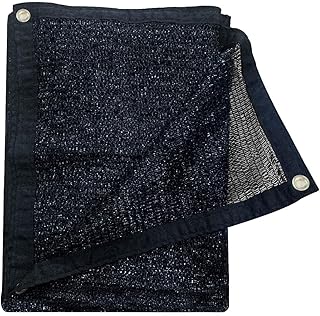
Best for quick setups and versatile placement, this shade cloth provides 55% shading with new HDPE fabric. Grommets enable straightforward hanging and tensioning, and the material is designed for durability in heat and sun exposure. It suits garden borders, greenhouses, and larger plant arrays where reliable shade is needed without sacrificing airflow.
Who it’s for: gardeners wanting a durable, install-and-forget shade option with easy mounting. Why selected: combination of shading efficiency, built-in grommets, and tear resistance. Caution: ensure proper hardware is used to secure for windy locations.
Buying Guide
What shade rate do you need? If you grow heat-sensitive vegetables, aim for 30-55% shading for mild protection, or 75% shading for very hot climates. Consider your light requirements; some plants still need substantial daylight for healthy growth.
What material works best? HDPE shade cloths are common for durability, tear resistance, and consistent shading. Non-woven fabrics can offer good light diffusion and breathability but may differ in durability. Choose materials with reinforced edges or grommets for long-term use.
How will you install it? Fixed installations with grommets and ropes work well on fences or frames. Hooped kits provide structure for raised beds, while simple pop-up nets suit small plots or temporary shading needs. Ensure wind resistance with secure anchoring in exposed areas.
What is your garden layout? For large plots, consider larger panels that can be cut to fit irregular shapes. For multiple beds, modular kits with hoops can simplify maintenance and reconfiguration.
Maintenance tips: clean shading fabrics occasionally to prevent mold buildup. Check seams and grommets for wear after strong winds. Store off-season shade coverings in a dry place to extend life.
FAQ
- Do shade cloths reduce photosynthesis?
Answer: They reduce excessive light and heat while still allowing sufficient light for photosynthesis, depending on shading rate. - Can I cut shade cloth to custom sizes?
Answer: Yes, many fabrics are designed to be cut to fit beds, rows, or containers. - Will shade cloth protect plants from wind?
Answer: Shade cloth mainly protects from sun and heat; wind protection depends on installation and surrounding structures. - Which shade rate should I choose for leafy greens?
Answer: 30-55% shading is typically suitable to prevent scorching while maintaining air flow. - Are grommets necessary for installation?
Answer: Grommets simplify mounting and reduce fabric tearing at edges, especially in windy locations.