Best Vegetable Plants and Seeds for a Thriving Home Garden
If you want a reliable, high-germination seed blend to start a productive vegetable patch, choose heirloom and non-GMO varieties with clear growing instructions. This guide highlights five strong options ideal for American gardens, from beginner-friendly kits to comprehensive seed vaults. Each selection suits different needs: quick-start households, emergency garden prep, or diverse year-round harvests. The quick-reference table below helps you compare options at a glance.
| Product | Variety Range | Seed Count | Best For |
|---|---|---|---|
| Set of 43 Assorted Vegetable & Herb Seed Packets | Herbs & Vegetables | 43 packets | Beginner gardeners seeking variety |
| Open Seed Vault | 15,000 Heirloom Seeds | 32 types | 15,000+ seeds | Comprehensive outdoor garden kits |
| 30 Packs of Deluxe Valley Greene Heirloom Seeds | 30 varieties | 30 packs | Steady, diverse harvest |
| Seed Vault Heirloom Seeds Kit | Tomato, cucumber, carrot, etc. | 15,000+ seeds | Indoor, hydroponic, and outdoor |
| 55 Vegetable Seeds Variety Pack | 55 varieties | 35,600+ seeds | Max variety and value |
Best All-Round Heirloom Seed Set For Beginners

Product: Set of 43 Assorted Vegetable & Herb Seed Packets by Black Duck Brand. Includes 43 lightly assorted seeds with heirloom, non-GMO status and a high germination rate in 7–14 days. This kit is best for first-time gardeners who want a broad starter mix for a small to mid-size home garden and enjoy a variety of flavors. The inclusion of a Mylar storage bag helps preserve seed viability over seasons.
Best for: Beginners seeking a low-risk, diverse introduction to edible plants and herbs. The large seed count in many familiar vegetables supports multiple planting rounds.
Limitation: Some packets may have varying germination windows; follow the included growing guidelines for best results.
Open Seed Vault: A Complete 32-Variety Heirloom Pack

Product: Open Seed Vault with 32 seed types, featuring non-GMO vegetable and fruit seeds. This set emphasizes heirloom varieties, designed for reliability and adaptability across seasons, with a practical growing guide included.
Best for: Gardeners aiming to build a resilient, self-sufficient garden with a broad mix of crops for fresh meals.
Limitation: The sheer variety may be overwhelming for absolute beginners who prefer a simpler start.
Deluxe Valley Greene Heirloom Seeds: 30 Varieties

Product: 30 Packs of Deluxe Valley Greene Heirloom Vegetable Garden Seeds (Non-GMO). Includes 30 different varieties with a high germination rate in 7–14 days, all heirloom. Each seed packet is designed for easy planting and reliable germination in home gardens.
Best for: Gardeners who want steady variety across a growing season without handling overly large seed counts per pack.
Limitation: Varieties are pre-selected; ideal for predictable crops but less flexible for niche spice or exotic crops.
55 Vegetable Seeds Variety Pack: Bulk Variety Value

Product: 55 Vegetable Seeds Variety Pack from Organo Republic. This set includes 35,600+ non-GMO heirloom seeds across a wide range of vegetables and some fruits. Packaged in waterproof resealable bags with 55 individual packets, plus an online growing guide and extra gardening tools.
Best for: Home growers seeking maximum variety and value, including those who practice both indoor and outdoor gardening.
Limitation: The high seed count may be more than needed for small gardens or beginners with limited planting space.
Seed Vault Heirloom Kit: 15,000+ Seeds For All Growing Styles
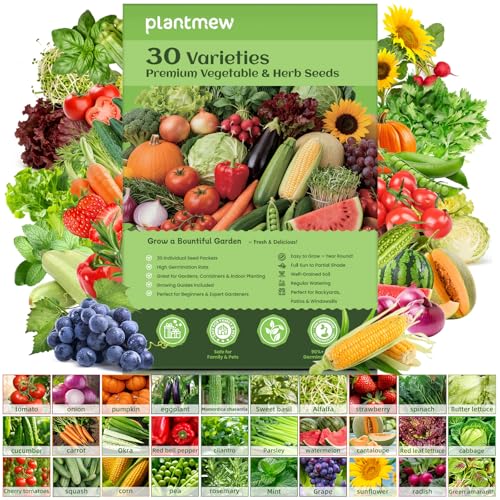
Product: HEIRLOOM Seed Vault with 15,000+ non-GMO seeds covering tomatoes, cucumbers, carrots, and more, suitable for hydroponics, indoor, and outdoor gardening. Seeds are stored in moisture-proof packaging and come with a growing guide.
Best for: Enthusiasts building a long-term seed bank or households preparing for varied growing scenarios, including indoor and hydroponic setups.
Limitation: The kit emphasizes quantity and variety; it requires space and careful seed management to maximize germination success.
Buying Guide: Key Purchase Considerations
- Seed type and integrity: Prioritize heirloom and non-GMO seeds for flavor, resilience, and open-pollination benefits. Check germination expectations and storage recommendations.
- Variety vs. space: For small plots, start with a curated set of 15–30 varieties to maximize garden space. Larger seed vaults suit extended growing areas or seed saving goals.
- Storage and shelf life: Look for moisture-proof packaging and clear storage instructions to maintain germination rates over time. Mylar or sealed bags help prolong viability.
- Seed packaging format: Packaged seeds in individual envelopes or packets simplify labeling and planting. Avoid mixed or random-seed bags for precise planning.
- Growing guides and support: Seed kits with included growing instructions or QR access to guides help new gardeners establish routines and timing.
- Indoor vs. outdoor: If you plan indoor or hydroponic growing, verify compatibility and included crops suited for those environments (e.g., leafy greens, tomatoes, peppers).
- Budget and goals: Weigh total seed count against your harvest goals, whether you want quick turnover crops or a long-season diverse harvest.
Questions To Ask Before Buying
- Will I plant mostly in containers or a traditional in-ground garden?
- Do I prefer a mix of herbs and vegetables or a single-issue pack?
- Is ongoing seed saving a priority for me?
- Do I want a kit that includes growing guides or extra tools?
Frequently Asked Questions
- What is the advantage of heirloom seeds? They preserve traditional varieties with distinct flavors and traits, often suitable for longer shelf life and regional adaptability.
- How many seeds should I plant per hole or pot? Follow packet instructions for spacing and depth; typically, one to a few seeds per cell is common for many crops.
- Are non-GMO seeds better for home gardens? Non-GMO seeds focus on natural breeding and can offer reliable germination and traditional flavors, though GMO-free does not guarantee performance in every environment.
- Can seed kits be used for hydroponics? Some kits include crops compatible with hydroponic systems or indoor growing guides; confirm crop suitability before use.
- What should I store seeds in between seasons? Use a cool, dry, dark place in moisture-proof packaging to maximize viability; avoid heat and humidity.
- How do I start with a large seed vault if I have a small garden? Prioritize a subset of crops that fit your growing space and rotate crops annually to maximize yield.