Best Vertical Garden Hydroponic Planters for Indoor Growing
Looking to grow herbs, vegetables, and flowers indoors without soil? These vertical hydroponic planters maximize space, automate watering, and deliver compact, scalable growing solutions for apartment balconies, kitchens, and small corners. The top picks below target different needs—from smart app control to large plant capacity—so you can choose what fits your space and goals. Best for compact urban spaces, best for high yield, best for automation, and best for plug‑and‑play simplicity.
| Product | Tier / Capacity | Best For |
|---|---|---|
| VEVOR Hydroponic Tower, 30 Pods | 6 tiers, 30 pods | Smart, space‑efficient urban growing with app control |
| Hydroponic Tower, 14‑Layer | 14 layers, 70 slots | High yield in a compact footprint |
| ALTO GARDEN GX | Multi‑layer, LED grow light included | No subscription, organic, self-contained system |
| Gardyn Studio 1 | 16 full‑sized plants, LED lights | Smart AI gardening with sensors and camera |
| Pinky Family 5‑Tier | 5 tiers, stackable | Flexible configurations and mobility |
VEVOR Hydroponic Tower 30 Pods

Best for app‑driven control in small spaces. This 6‑tier tower holds 30 plant pods and includes a 20L water tank with a circulating pump. The product supports remote management via a dedicated app, enabling precise pump timing and environmental adjustments. Selecting this model suits buyers who want a modern, connected grow system and have limited floor area.
Who it’s for: apartment dwellers, culinary herb growers, and busy households seeking automation. Why chosen: high pod count in a vertical footprint and smart care features reduce hands‑on time. Limitation: data indicates reliance on app connectivity; ensure your Wi‑Fi is stable for uninterrupted control.
Hydroponic Tower 14‑Layer, 70 Slots

Best for high‑volume, space‑savvy growth in patios and indoors. This 14‑layer tower hosts up to 70 plants with top‑to‑bottom water circulation. A 20L reservoir supports extended operation without daily refills. Choose this if you want a larger harvest without a traditional garden footprint.
Who it’s for: urban growers wanting substantial yield from a compact form. Why chosen: strong plant capacity and reduced maintenance due to integrated circulation. Limitation: assembly may take time due to multiple layers; plan for setup upfront.
JPWDDWYT 35‑Plant Indoor Hydroponics Tower

Best for a modular indoor garden with generous plant capacity. The JPWDDWYT tower emphasizes soil‑less cultivation with a top‑down watering cycle, designed for easy relocation to fit different living spaces. It’s a suited pick for those who want a visually striking, scalable vertical garden in homes or offices.
Who it’s for: individuals seeking a dedicated hydroponic display with straightforward water management. Why chosen: ease of movement and emphasis on efficient water use. Limitation: product complexity may vary with installation steps; follow included setup guidance carefully.
ALTO GARDEN GX Hydroponic Tower
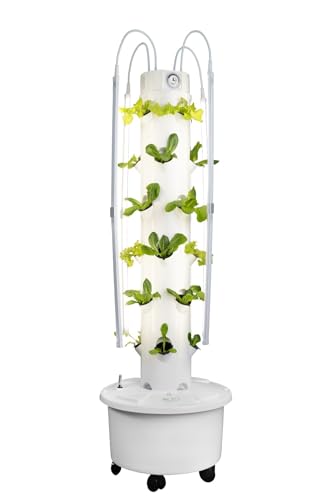
Best for a self‑contained, no‑subscription system with strong build quality. The ALTO Garden GX offers a fully enclosed, self‑watering, and self‑lighting setup. Its 2mm thick tower walls and wide pot spacing support organic, farm‑to‑table crops. Choose this if you want a robust, maintenance‑light indoor grow with minimal ongoing costs.
Who it’s for: buyers seeking a “plug‑and‑play” hydroponic solution with clean design. Why chosen: no hidden monthly fees and a focus on clean, scalable growth. Limitation: LED light integration means power access is essential; ensure you have a suitable outlet near the unit.
Pinky Family 5‑Tier Vertical Garden

Best for flexible configurations and mobility. This stackable system builds from 2 to 5 tiers and can include optional swivel casters for easy repositioning. An automatic drainage system helps maintain appropriate moisture levels and reduces overwatering risks. Choose this when you want a customizable footprint and easy plant management.
Who it’s for: homeowners with limited floor space who crave adaptable layouts. Why chosen: modular stacking and mobility features provide versatile growing options. Limitation: drainage and moisture control depend on placement; avoid placing on surfaces that can be damaged by water runoff.
Buying Guide: Key Considerations For A Vertical Hydroponic Planter
- Space and layout: How much floor space do you have, and do you prefer a tall, slim tower or a wider multi‑tier unit? Consider ceiling height and room for light exposure.
- Water and nutrients: Do you want a large reservoir with longer intervals between fills, or a compact system with frequent top‑ups? Look for integrated circulation to avoid dry spots.
- Light requirements: Is an integrated LED grow light important? If yes, ensure the light spectrum and coverage suit the plant types you intend to grow.
- Automation and connectivity: Are smart features appealing? App control, sensors, and cameras can simplify care but require reliable Wi‑Fi and power access.
- Maintenance and cleaning: How easy is it to disassemble, clean, and replace components? Look for modular designs and leak‑resistant joints.
- Plant capacity and variety: Do you want herbs and leafy greens or fruits and larger vegetables? Higher pod slots and 70+ plant options expand what you can grow.
- Material and build quality: Choose food‑safe materials, solid frame construction, and durable pots to ensure longevity and safety for edible crops.
Frequently Asked Questions
- What is a vertical hydroponic planter? A vertical hydroponic planter uses stacked tiers to grow plants with nutrient‑rich water circulated to roots, in a soil‑less environment.
- Do these systems require a lot of maintenance? Maintenance varies by model; most offer automated watering or self‑contained reservoirs, reducing daily tasks.
- Can I grow vegetables in these towers? Yes, many towers support leafy greens, herbs, and some compact vegetables, depending on pod size and light exposure.
- Is LED lighting essential for indoor growing? LED lighting is highly beneficial for indoor setups, especially in spaces with limited natural light, but some tiers include lighting as an integrated feature.
- Are these systems easy to assemble? Assembly difficulty varies by model; some are plug‑and‑play, others require more steps due to multiple layers and wiring.
- Is auto‑watering better than manual watering? Auto‑watering reduces water waste and ensures consistent moisture, beneficial for plant health in hydroponic setups.