Best Walk-Behind Brush Mowers for Heavy Vines and Dense Brush
For yards overgrown with thick brush, vines, or nettles, a walk-behind brush mower can save hours of labor. The models below offer strong engines, wide cutting swaths, and rugged durability to tackle rough terrain. Each option is chosen for performance, reliability, and operator comfort in American yards.
The table beneath summarizes five strong picks from trusted brands. Compare power, deck build, and mobility to decide which fits your property and mowing style.
From gas-powered beasts to battery-assisted designs, there are trade-offs between runtime, noise, maintenance, and upfront cost. The selected five emphasize brush clearance, rough-terrain performance, and easy operation for typical North American landscapes.
| Product | Brand | Cut Width | Power | Notes |
|---|---|---|---|---|
| Earthquake 40314 Walk Behind Brush Mower | EARTHQUAKE | 22″ | 160cc Viper 4-Cycle | Never-go-flat wheels; steel deck; integrated clutch and bail system |
| 36 Inch Walk Behind Brush Mower (Generic) | Generic | 36″ | 20HP | Rugged steel construction; reduces mowing time |
| Swisher 24-Inch Rough Cut Mower | Swisher | 24″ | 10.2 HP Honda | Self-propelled; gear shift access on adjustable handlebar |
| BILT HARD 170cc Walk Behind Brush Hog Mower | BILT HARD | 22″ | 170cc 4-Cycle | Self-propelled; heavy-duty steel deck |
| Earthquake 60V Walk Behind Brush Mower | EARTHQUAKE | 22″ | 60V Battery | Includes two 4Ah batteries; three-speed cutting dial |
Earthquake 40314 Walk Behind Brush Mower
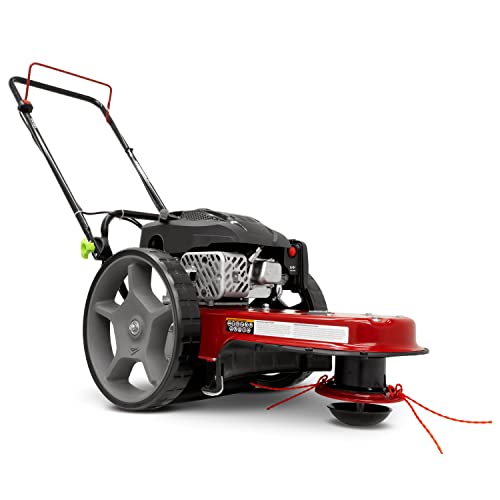
Powered by a robust 160cc Viper four-cycle engine, the Earthquake 40314 drives a 22-inch cutting swath through tall weeds, brush, nettles, and other challenging growth. The 14-inch never-go-flat wheels help the mower glide over uneven terrain, reducing downtime caused by flats. An integrated clutch and bail system keeps the string mower motor running while you clear debris; when you need to remove obstacles, the head disengages safely without restarting the engine. The one-piece steel deck provides stiffness and stability, while minimizing vibration for longer sessions in demanding conditions.
The nylon line is designed to withstand rugged brush tasks, delivering a reliable cut without frequent line replacements. This model prioritizes durability and continuity, making it suitable for large properties or properties with dense undergrowth. While heavier than compact push mowers, its power and traction compensate by reducing the number of passes required to finish a job.
36 Inch Walk Behind Brush Mower
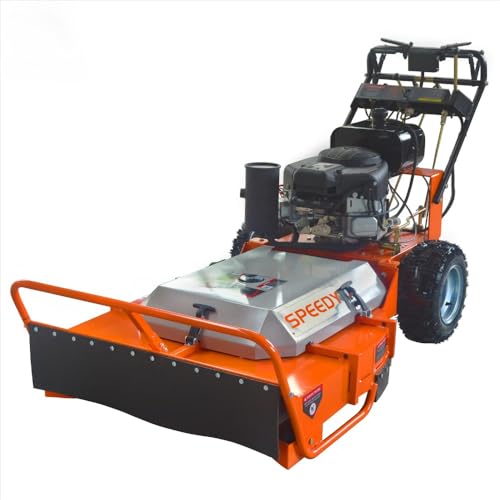
This model pairs a 36-inch cutting deck with a 20HP engine to tackle large plots and dense vegetation efficiently. The wide deck increases coverage per pass, significantly shortening mowing time on expansive properties. The heavy-duty design uses rugged steel construction and a reinforced deck, delivering long-term durability in agricultural and farm settings where tough terrain is common. Operators benefit from reduced fatigue due to fewer passes, making it practical for semi-commercial tasks and large residential properties with substantial brush growth.
Durability is a core focus, with a frame designed to withstand the rigors of frequent use. The mower’s stability helps minimize vibration, contributing to longer operator comfort during extended sessions. For those with large estates or rough terrain, the combination of power, width, and durability makes this option a compelling choice despite the greater initial size and weight.
Swisher 24-Inch Rough Cut Mower

The Swisher 24-inch Rough Cut Mower delivers 24 inches of cutting width with a 10.2 HP Honda engine for robust performance in overgrowth and tough brush. The gear shift access located on the adjustable height handlebar provides better operator control, especially on uneven terrain or steep slopes. This is a rough-cut design intended for more aggressive vegetation than standard lawn mowers, making it a practical choice for farms, large yards, and landscape projects that require sheer cutting power.
Durability and reliability come from a solid construction that supports heavy-duty tasks. The self-propelled mechanism helps maintain a steady pace through dense growth, while the wide deck minimizes the number of passes needed. For property owners prioritizing aggressive cutting capability and control in challenging conditions, this model offers a solid balance of power and maneuverability.
BILT HARD 170cc Walk Behind Brush Hog Mower

This BILT HARD model is powered by a 170cc four-cycle OHV engine, enabling strong cutting through thick overgrowth. The 22-inch cutting diameter helps you cover a broad area with each pass, while the manual recoil ignition ensures quick starts for demanding tasks. A heavy-duty steel deck provides added durability, reducing flex and vibration during operation. The self-propelled system helps maintain momentum as you work through dense brush, making it suitable for farms, large lawns, and properties with challenging terrain.
The combination of a robust engine, wide cutting path, and a rugged build makes this mower a practical option for users who need reliable performance across varied vegetation. It balances power with maneuverability, offering a strong alternative to larger commercial units while maintaining a compact, user-friendly profile for everyday yard care and property maintenance.
Earthquake 60V Walk Behind String Mower
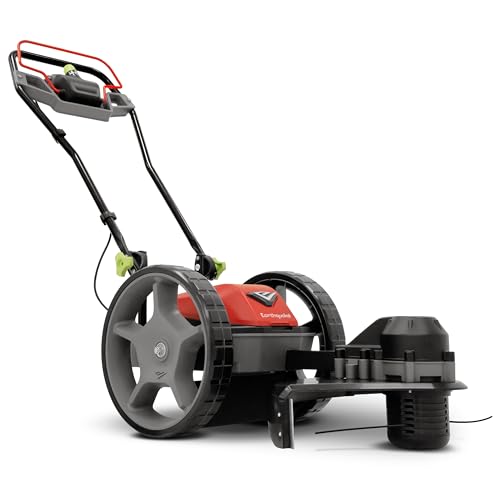
This battery-powered option delivers quiet, low-emission performance with two included 4Ah batteries for up to about 90 minutes of runtime. A three-speed cutting dial lets you tailor performance to vegetation, balancing power and energy use for light to moderate brush. The 22-inch cutting width provides ample reach without sacrificing maneuverability, and the 14-inch never-go-flat wheels help you traverse uneven ground with less downtime. Easy assembly and an adjustable handlebar support comfortable operation across varied yard layouts.
Battery-powered designs offer benefits in terms of noise, emissions, and maintenance intervals, though runtime depends on the load and battery capacity. The Earthquake 60V model is well-suited for homeowners who want a capable brush mower with a quieter footprint and quicker startup compared with gas engines, while still delivering reliable performance on mid-sized properties and lighter brush.
Buying Guide
Choosing the right walk-behind brush mower involves weighing power, cutting width, and terrain against maintenance, weight, and noise.
Power source and engine type
Gas engines (such as 160cc, 170cc, or 20HP variants) deliver persistent runtime and strong torque for dense brush, nettles, and thick growth. Battery-powered models (60V) reduce noise and emissions and are suited for mid-sized parcels with lighter to moderate brush. Consider local once-a-year maintenance needs, fuel availability, and typical vegetation when selecting between gas and electric options.
Cutting width and deck build
Wider decks (36″ or 24″) reduce mowing passes but increase the mower’s footprint and weight. A reinforced steel deck improves durability and steadiness on rough ground, reducing vibration and operator fatigue. If your property includes narrow paths, a 22″ deck may offer a better balance of width and maneuverability.
Mobility and control
Self-propelled units ease mowing on slopes or thick brush, though they add weight. Look for models with adjustable handles and ergonomic controls. For uneven terrain, wheels designed to resist punctures and provide good traction are essential.
Durability and safety
One-piece steel decks, robust frames, and secure clutch or bail systems contribute to long-term reliability. Safety features like automatic shutoffs when clearing debris or engaged trimmer heads help prevent restart delays and accidents.
Maintenance and service
Gas models require routine fuel and oil maintenance, spark plug checks, and occasional carburetor care. Battery models need charging and battery health monitoring. Consider the availability of replacement parts and warranty coverage for ongoing support.
Usage scenarios and ownership
For large properties with dense brush and tree line, a wide-cut, high-torque gas mower is often the most efficient. For mid-sized yards with occasional overgrowth, a battery-powered or lighter gas model can provide comfortable operation and easier upkeep. Assess property size, terrain variety, and your preferred maintenance routine before deciding.
In practice, the five highlighted options cover a spectrum of needs—from aggressive, high-width debris clearing to battery-powered, quieter operation. The ideal choice balances cutting width, engine power, and operator comfort to fit the property size, vegetation density, and maintenance preferences typical of American yards.