Best Wall Hanging Herb Garden Ideas for Fresh Kitchen Greens
Answering the question “What is the best wall hanging herb garden for my space?” this guide compares top options designed to grow fresh herbs in compact vertical setups. These wall-mounted planters suit apartment dwellers, busy homeowners, and anyone seeking easy access to culinary greens. Each pick targets a different living space and watering preference, from self-watering designs to wood and plastic containers. The goal is to help you choose by setup, maintenance, and visual style, so your herb garden thrives with minimal fuss.
Summary table of selected products
| Product | Best For | Key Benefit | Material |
|---|---|---|---|
| LaLaGreen Wall Planters (10 Pack) | Busy readers and small-space homes | Self-watering with wall-mounted setup | Plastic |
| ORIMERC 6 Pack White Hanging Planters | Vertical gardens on walls or windows | Self-watering with long intervals | Resin |
| FillTouch 3 Tiered Hanging Herb Planters | Large herb projects and kitchen islands | Three-tier design with ample space | Wood |
| LaLaGreen Wood Planter Boxes (6 Pack) | Decorative wall display and small spaces | Compact wooden boxes for herbs | Wood |
| Make Good PlantPod Luxe (Set of 6) | Modern interiors with lightweight needs | Self-watering with sleek design | Plastic |
LaLaGreen Wall Planters for Indoor Plants – 10 Pack

Best for: Busy households that want a ready-to-use system. These 5-inch outer pots provide a compact footprint with a self-watering feature. The 10-pack setup supports a vertical herb wall in smaller kitchens or apartments. The included S hooks enable versatile mounting on balconies, railings, or interior walls.
Why chosen: The self-watering mechanism reduces frequent watering, while the minimalist black finish pairs with most decors. Plants that appreciate dry or well-drained soil often benefit from the design’s bottom reserve. Best used with herbs or small flowers that fit the 3.8-inch inner pot size, and you should confirm soil depth for each variety to avoid resource waste.
Caution: Check plant size compatibility before purchase to ensure a proper fit and avoid overfilling the inner pot. Also, verify wall mounting strength to support the weight when watered.
ORIMERC 6 Pack White Hanging Planter Pots

Best for: Gardeners seeking a long-lasting, simple self-watering solution on a wall or window. The set includes hooks and screws, enabling easy DIY installation on various surfaces, making it suitable for renters or homes with flexible mounting needs.
Why chosen: Its double-layer design stores water at the bottom, drawing nutrients upward via a wick. This keeps plants hydrated for days, which is ideal for travelers or busy individuals. The kit’s hardware expands mounting options for walls, glass, or railings.
Caution: The inner plant size is constrained by the 5.7″ x 7.3″ x 6.1″ overall dimensions. Choose plant varieties that fit the pot depth and width to avoid overcrowding.
FillTouch 3 Tiered Hanging Herb Planters

Best for: Home chefs who want a compact, vertical herb garden near the kitchen. The three-tier design provides distinct layers for different herb types, maximizing space on a balcony or inside a kitchen wall.
Why chosen: The set includes 12 nursery pots and a wood shelf, combining durability and rustic charm. The height and width give generous growth space, while the jute rope and wood accents suit a warm interior. It’s a sturdy option for a noticeable vertical garden.
Caution: Assembly and hanging require careful space planning. Ensure the wall you mount can support the weight when watered, especially if you place larger herbs on the top tier.
LaLaGreen Wood Planter Boxes (6 Pack)

Best for: A decorative wall display that adds a touch of natural wood to any space. These 4×4 boxes are compact, making them ideal for small herb displays on balconies or interiors without overpowering the room.
Why chosen: The wooden boxes are sturdy, lightweight, and suitable for indoor and outdoor use. They offer flexibility for mix-and-match planting and can be mounted on walls, railings, or placed on tabletops for a tabletop garden effect.
Caution: Wood may weather over time if outdoors. Use proper sealing or indoor placement to prolong life and avoid water damage on interior surfaces.
Make Good PlantPod Luxe – Self-Watering Wall Planters (Set of 6)
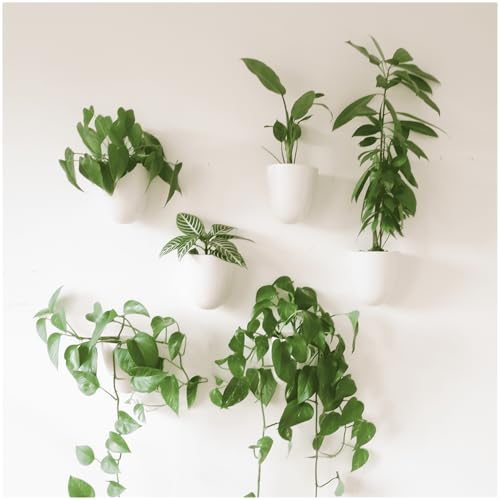
Best for: Modern interior designers and busy plant lovers who want a lightweight, space-saving system. The PlantPod Luxe emphasizes easy watering and simple installation with a clean aesthetic.
Why chosen: Self-watering design minimizes watering frequency, enabling weeks between fills. The durable plastic and matte finish look at home in contemporary kitchens, living rooms, or offices where floor space is limited.
Caution: While lightweight, the planters must still be mounted securely. Avoid placing them where direct heavy knocks could damage the installation or pots.
ORIMERC 6 Pack Hanging Planter Wall Planter

Best for: A versatile vertical garden setup that can hang indoors or outdoors, including kitchens, balconies, and railings. This set is ideal for herb lovers who want a modular, expandable system.
Why chosen: Built-in self-watering reservoirs and standard mounting hardware support flexible installation on multiple surfaces. The design blends with various decors and works well with basil, mint, rosemary, and succulents given proper soil depth and drainage.
Caution: Ensure you have the appropriate wall anchors for your surface, especially on tile or glass, to avoid loosening over time as pots fill with water.
Buying Guide: Wall Hanging Herb Garden Essentials
- Watering needs: Choose self-watering systems for busy schedules or if you travel often. Consider wick-based designs or reservoirs to extend intervals between waterings.
- Space and layout: Vertical options maximize small spaces. Three-tier and multi-pack sets work well for large herb collections, while six-pack wooden boxes fit decorative walls.
- Material considerations: Plastic is lightweight and versatile; wood adds natural warmth but may require maintenance; resin offers durability and easy cleaning. Match material to indoor or outdoor use.
- Mounting method: Check whether hanging hooks, screws, or adhesives are included. Ensure wall strength and surface compatibility (wood, drywall, tile, glass).
- Plant compatibility: Confirm inner pot size and available depth for the specific herbs you’ll grow. Taller herbs may need more vertical space on each tier or pot.
- Maintenance: Look for designs that reduce watering frequency and are easy to clean. Light-colored finishes show soil residue more easily, so plan placement accordingly.
- Aesthetic and fit: Consider color, finish, and overall style to complement your kitchen or living area. A cohesive look helps herbs become a natural design feature.
Frequently Asked Questions
- What is the best self-watering wall planter for beginners? Answer: Self-watering wall planters with visible water reservoirs and simple refilling routines are ideal for beginners who want low-maintenance setups.
- How many herbs can a wall garden hold on average? Answer: It depends on pot size and tier design. A 3-tier system can accommodate multiple herbs across levels, while 4×4 inch boxes hold compact herbs well.
- Are wood planter boxes suitable for indoor use? Answer: Yes, provided they are sealed and used with proper liners to prevent water damage and warping.
- Can I install these on rental apartments? Answer: Yes, many sets include hardware and are designed for renter-friendly mounting on walls, railings, or windows without permanent modifications.
- Which herbs grow best in vertical planters? Answer: Basil, parsley, chives, thyme, mint, and oregano typically perform well in vertical setups, given adequate light and drainage.
- Should I water from the top or bottom? Answer: Self-watering designs often rely on bottom watering through a reservoir; top watering can be done if you monitor moisture levels and drainage.