Best Washed Sand for Concrete: Top Concrete Sand Choices
Washed concrete sand is a key component in cement mixes, paver bases, and drainage projects. This guide highlights five top picks that are easy to source on Amazon and suitable for homeowners, contractors, and DIY enthusiasts. Each product is evaluated for practical use cases, including who benefits most and any notable limitations.
| Product | Best For | Nice-To-Have | Notes |
|---|---|---|---|
| Yard Elements 20 lbs Premium Concrete Sand | DIY homeowners; small‑scale concrete mixes | Filtered, screened finish | Coarse, good drainage |
| Yard Elements 40 lbs Premium Concrete Sand | Homeowners tackling larger projects | Higher quantity per bag | Same use as the 20 lb variant; more value for volume |
| Gravel Company Coarse Sand, Washed, 20 lbs | Base layers, drainage projects | Angular grains for interlock | Strong base stability for piping and trenches |
| Gravel Company Coarse Sand, Washed, 3 lbs | Small patch repairs, patching joints | Compact packaging for small tasks | Limited quantity; best for minor touchups |
| Gravel Company Fine Masonry Sand, Washed & Screened, 10 lbs | Mortar joints, leveling bases | Fine texture for smooth finish | Ideal for masonry and paver work |
Below you’ll find detailed product sections, each with usage notes, best-for guidance, and practical cautions to help you compare quickly.
Yard Elements 20 Lbs Premium Concrete Sand

Best for smaller construction tasks and DIY concrete mixes. This washed, coarse sand is commonly used in cement and asphalt blends and serves well as pipe bedding or paver base. The texture helps with drainage and stability, making it suitable for landscaping projects that require solid base support. A potential limitation is the bag size being ideal for quick, smaller jobs rather than large-scale builds.
Who it’s best for: homeowners and hobbyists who need a ready-to-use, pre-screened sand for light to medium projects. Why selected: its coarse texture provides reliable drainage and base stability in simple mixes.
Yard Elements 40 Lbs Premium Concrete Sand
Better for larger projects or where more material is needed. The 40-pound bag offers the same washed, coarse composition as the 20-pound option, making it a practical choice when bulk supplies are preferred to reduce trips to the store. Caution: ensure you have adequate bag storage and weight-handling capacity for the larger bag.
Who it’s best for: DIYers tackling larger patches or multiple small jobs. Why selected: provides more material per bag without sacrificing the washed, coarse texture.
Gravel Company Coarse Sand, Washed, 20 lbs

Ideal for drainage-focused base layers and concrete mixes. The coarse, washed sand helps promote drainage and base stability, with angular grains that interlock to reduce shifting. This makes it well-suited for bedding pipes and utility trenches. Limitation: the 20‑pound size is best for multiple small to medium tasks rather than a single large pour.
Who it’s best for: contractors and serious DIYers who need reliable base material. Why selected: the angular grains and drainage-friendly composition support durable base layers.
Gravel Company Coarse Sand, Washed, 3 lbs
Best for quick touch-ups or small-scale patching. The small bag size makes it convenient for precise applications or minor adjustments to base layers. Caution: quantity may be insufficient for any sizable project; plan accordingly to avoid multiple trips or reordering.
Who it’s best for: DIYers performing quick fixes or small repairs. Why selected: portability and exact small quantity fit tight tasks.
Gravel Company Fine Masonry Sand, Washed & Screened, 10 lbs
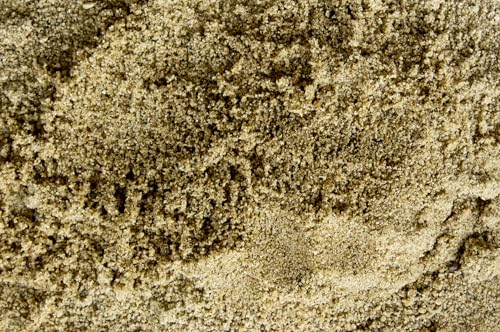
Best for mortar joints, paver beds, and leveling bases. Its fine texture helps create smooth mortar joints and clean paver installs, with a uniform texture that compacts predictably under pavers and slabs. Limitation: finer sand may not provide as much drainage as coarser options when used alone in base layers.
Who it’s best for: masons and DIYers doing paving or thin-set work. Why selected: specifically designed for smooth mortar and neat joint work.
Buying Guide
What should you consider when choosing washed sand for concrete?
- Project size and bag quantity: Larger projects reward higher-bag quantities; smaller tasks benefit from smaller bags for easier handling.
- Grain size and texture: Coarse sand provides better drainage and base stability; fine sand improves mortar joints and leveling accuracy.
- Drainage needs: If drainage is critical, favor washed, angular sand that interlocks and reduces compaction gaps.
- Mix compatibility: Some projects require sand suitable for mortar or bedding; ensure the sand type aligns with your concrete or masonry mix.
- Storage and handling: Consider bag weight, storage space, and transport ease to avoid needless trips or strain.
How to use washed concrete sand effectively?
- Base layer: Spread and compact washed sand evenly to create a stable foundation for pavers or pipes.
- Masonry and mortar: For masonry joints, fine masonry sand yields smoother, cleaner joints and consistent thickness.
- Concrete mixes: Use washed sand as a fine aggregate to improve workability and reduce impurities in concrete.
Common trade-offs
- Coarse vs. fine: Coarse sand improves drainage; fine sand improves joint finishing but may reduce drainage if used alone in base layers.
- Volume vs. cost: Bulk bags reduce trips but require more storage space; smaller bags offer flexibility for quick projects.
FAQ
- What is washed concrete sand used for? It is used in concrete mixes, as a base for pavers, and for drainage or bedding in landscaping and construction.
- Is washed sand suitable for mortar joints? Yes, especially the fine masonry sand when a smooth mortar finish is desired.
- Can I mix different sands for a project? Mixing can be feasible but may affect drainage and compaction; match sand type to project needs.
- How much sand do I need for a base layer? Coverage depends on depth and area; calculate volume (area x depth) and convert to bags. Plan extra for compaction loss.
- Are there safety considerations when handling sand bags? Wear gloves to prevent abrasions and use proper lifting techniques to avoid injury.
- Do I need to wash or pre-clean the sand before use? The products listed are washed; if using other sources, rinsing reduces dust and fines that may affect workability.