Best Water Seal for Plywood: Top Picks for Outdoor and Indoor Projects
When protecting plywood from moisture, choose a water seal that forms a durable barrier while preserving the wood’s texture and color. This guide highlights five effective options, explaining who they’re best for and why they’re suitable for plywood applications. Whether you’re sealing a deck, storage shed, raised bed, or indoor paneling, these selections balance protection with aesthetics.
| Product | Best For | Why It Stands Out |
|---|---|---|
| Thompson’s WaterSeal Clear Wood Sealer | General outdoor plywood projects | Clear protection that dries transparent while sealing against water damage. |
| Thompson’s WaterSeal Multi-Surface Waterproofing Stain, Clear | Exterior surfaces needing clear finish | Clear stain that hides grain but preserves texture; good for concrete, brick, and wood. |
| Thompson’s WaterSeal Semi-Transparent Waterproofing Wood Stain – Natural Cedar | Outdoor wood with a subtle tint | Semi-transparent color that adds light tint and protects against UV. |
| Thompson’s WaterSeal Semi-Transparent Waterproofing Wood Stain – Chestnut Brown | Wood projects needing richer color | Semi-transparent tint with protective finish and UV resistance. |
| Garden Box Sealer (Plant-Based, FDA Food Safe) | Raised beds, planters, outdoor pet projects | Plant-based, non-toxic, deep penetration for long-term protection. |
Thompson’s WaterSeal Clear Wood Sealer
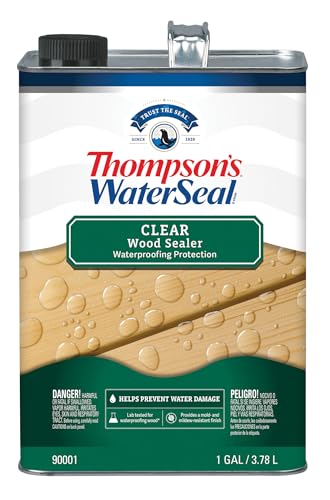
Features: Helps Prevent Water Damage, Helps Maintain Natural Color-Dries Clear, Use as a wood sealer, brick sealer, or for concrete waterproofing. This product provides a straightforward, clear seal that preserves the wood’s natural look while offering moisture protection. Best for DIY plywood projects where maintaining the wood’s appearance is a priority. Caution: Avoid applying in extreme weather conditions to prevent uneven drying.
Thompson’s WaterSeal Multi-Surface Waterproofing Stain, Clear
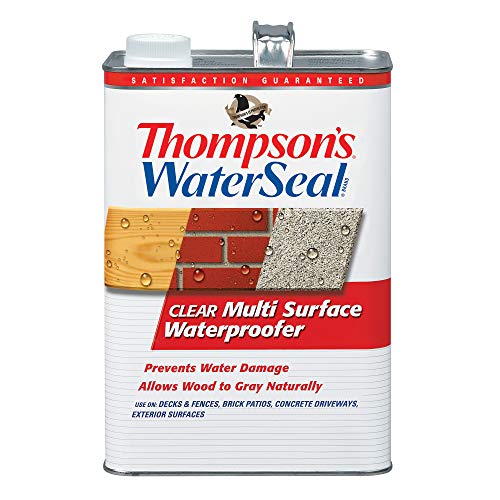
Features: Waterproofing stain for concrete, brick, exterior wood and other exterior surfaces. Clear stain that hides grain while letting texture show. Fade-resistant finish with UV protection for year-round color retention. Best for plywood used on outdoor structures where a clear, protective coat is desired without heavy color. Limitation: Clear finish still alters the look by slightly darkening the surface.
Thompson’s WaterSeal Semi-Transparent Natural Cedar

Features: Waterproofing stain adds light, semi-transparent color and protects outdoor wood. The finish hides grain while maintaining wood texture, with fade-resistant properties and UV resistance. Best for plywood that sits outdoors and benefits from a subtle color upgrade. Consideration: Choose this if you want a natural cedar tint rather than a fully clear finish.
Thompson’s WaterSeal Semi-Transparent Chestnut Brown

Features: Semi-transparent stain for outdoor wood with tinted finish and water protection. Hides grain while showing texture, fade-resistant, and UV-resistant. Best for plywood projects that require a richer tone. Limitation: Tint can slightly alter the natural wood color; test on a scrap piece first.
Thompson’s WaterSeal Multi-Surface Waterproofer Stain, Clear, 1 Quart

Features: Clear multi-surface waterproofing stain that protects concrete, brick, exterior wood, and more. Clear finish that hides grain while keeping texture visible. Fade-resistant with UV protection. Best for mixed exterior plywood substrates where a transparent coat is preferred. Limitation: May require multiple coats for heavier moisture exposure areas.
Garden Box Sealer | Plant-Based Wood Sealer

Features: FDA food contact safe, plant-based with no toxic chemicals. Deep penetrating natural oils bond with wood fibers to protect for a decade or more. Non-toxic, plant-based ingredients with a citrus scent. Best for raised beds, planters, and pet houses where contact with soil and produce matters. Caution: Not all Garden Box Sealer formulations are suitable for indoor living spaces; verify indoor use if needed.
Buying Guide: Key Considerations For Choosing The Right Water Seal
- Intended use: Outdoor plywood exposed to sun and rain benefits from UV-resistant, fade-safe finishes; indoor plywood can use clear sealers to preserve appearance.
- Finish preference: Clear sealers preserve natural wood color; semi-transparent stains add color while maintaining texture; test on scrap wood to confirm color outcomes.
- Color and appearance: If you want a tint (natural cedar or chestnut brown), choose semi-transparent options; for a truly transparent look, prefer clear sealers.
- Durability and UV protection: UV resistance helps prevent fading; fade-resistant finishes maintain color year-round.
- Safety and materials: Plant-based, non-toxic options are ideal for gardens and pet areas; check for any food-contact safety requirements if used on edible garden components.
- Application and maintenance: Some products require multiple coats; consider reapplication intervals and weather conditions for correct curing.
- Surface compatibility: Ensure the product is suitable for plywood and the substrate you intend to seal (brick, concrete, exterior wood, etc.).
FAQ
- What is the difference between a clear sealer and a semi-transparent stain?
– Clear sealers protect without adding color, preserving the wood’s natural look; semi-transparent stains add a light tint while still showing wood texture. - Can I seal plywood indoors and outdoors with the same product?
– Some products are designed for both, especially clear multi-surface sealers. For indoor plywood, a clear finish without UV exposure is typically sufficient unless you want extra protection. - How many coats are recommended for outdoor plywood?
– Most products require 1–3 coats depending on exposure and product type; follow label directions for best results. - Is there a non-toxic option for garden projects?
– Yes, plant-based sealer options exist and are suitable for raised beds and planters due to lower toxin risk and safe contact with soil. - Will these products prevent cracking on plywood?
– They reduce water ingress which helps minimize swelling and shrinking; however, they do not eliminate wood movement entirely. - Should I test on a scrap piece first?
– Yes, especially when color or finish impact matters for visible plywood surfaces.