Best Blue Weeping Wisteria Tree Selections for Beautiful, Fragrant Gardens
Finding the ideal blue weeping wisteria tree for your yard means balancing growth, climate tolerance, and ease of care. This guide highlights five top options that are well-suited for American gardens, explaining who each type is best for and why it stands out. Whether you want a dramatic spring bloom, a manageable container plant, or a vigorous climber to cover a trellis, these selections help you choose with confidence. The buyer-friendly table below compares the core traits to aid quick decisions.
| Product | Best For | Key Benefit | Limitation |
|---|---|---|---|
| Stunning Live 1 Potted Chinese Blue Weeping Wisteria Tree Fresh Plant | Medium to large yards; landscape focal | Rare blue blooms; adaptable to zones 5–9 | Careful pruning needed to control height |
| Alexa’s Elegant Weeping Duo | Aesthetic variety; decorative yard | Two blue wisteria seedlings plus other plant types for variety | Mixed species may require different care |
| Blue-Purple Wisteria Tree Live Plant | New garden beds; dramatic display | Fragrant spring blooms; hardy across climates | Seedling stage; growth pace varies |
| Blue Wisteria Tree, Wisteria Trees Live Plant | Compact space; quick color | Gorgeous blue blooms; quick growth | Requires support for climbing habit |
| Blue Moon Wisteria Live Tree Seedling | Trellises, arbors; vertical gardens | Upright growth potential; easy to train | Annual maintenance to shape |
Buyer note: These selections emphasize blue or blue-toned wisteria, ease of planting, and adaptability to typical U.S. growing zones. Each option targets different yard sizes and fencing structures, ensuring you can pick a fit whether you want a garden centerpiece or a climber for architectural shading.
Stunning Live 1 Potted Chinese Blue Weeping Wisteria Tree Fresh Plant

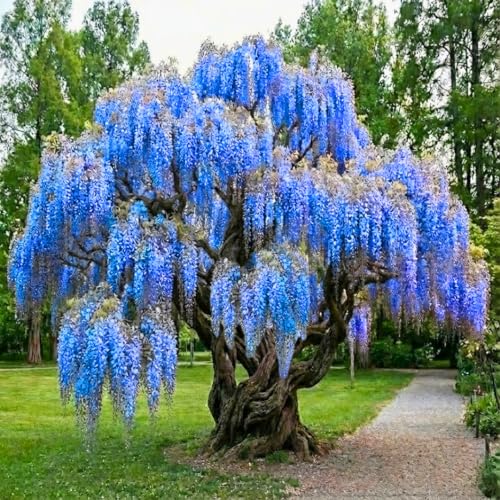
Best for: Home landscapes seeking a rare blue weeping feature. This plant is described as a single, tall specimen in a 12″ nursery pot with an estimated height of about 10 feet and width around 7 feet, featuring blue weeping blooms from spring through autumn. It’s adaptable to growing zones 5 through 9, making it suitable for many parts of the U.S.
Why selected: The standout aspect is the blue color variation within a weeping form, a visual anchor for yards with modest space planning. The plant’s growth can be managed via pruning to keep it within desired dimensions.
Limitation: It requires ongoing pruning to prevent excessive height and spread. Growth pace and eventual bloom timing may depend on local climate and care routines.
Alexa’s Elegant Weeping Duo

Best for: Gardeners who want variety and a striking visual display in one purchase. This assortment includes two blue Chinese wisteria seedlings and two other elements (gold willow cuttings) that can diversify yard texture.
Why selected: The mix supports ornamental appeal without needing to source multiple plants separately. It suits buyers who desire an immediate sense of established variety in their landscape.
Limitation: Mixed-species care means different watering and pruning needs; ensure you tailor maintenance to each plant’s requirements to avoid early stress.
Blue-Purple Wisteria Tree Live Plant
Best for: Black or temperate climates seeking fragrant spring bloom with robust hardiness. The plant is described as a dormant seedling/stem, 6–13 inches tall at purchase, and adaptable to diverse climates.
Why selected: It emphasizes fragrance and a classic wisteria silhouette on a small starter scale, which is ideal for early garden projects or container-ready growth.
Limitation: Being a seedling, it may need more time before reaching a dramatic canopy; steady care will be essential to encourage trellis progression.
Blue Wisteria Tree Live Plant

Best for: Gardeners with space to support a climbing blue wisteria that will flourish on a trellis or pergola. The plant is described as a perennial, fully rooted, and suited for outdoor planting.
Why selected: It promises vigorous growth and quick flowering, helping you achieve a lush blue display sooner than some slower-starting cultivars.
Limitation: Requires sturdy support and regular pruning to avoid overgrowth and to maintain an aesthetically pleasing shape.
Blue Moon Wisteria Live Tree Seedling

Best for: Vertical garden enthusiasts seeking upright growth for trellises, arbors, or fences. This is marketed as a seedling ready to plant, offering easy establishment with potential for dramatic growth.
Why selected: The upright growth angle of Blue Moon wisteria makes it especially garden-friendly for structures, with fragrant blooms expected during the right season.
Limitation: Training and pruning are necessary to keep growth directed and avoid overextension beyond support structures.
Buying Guide: Key Purchase Considerations
- Climate and Zones: Confirm the plant’s hardiness zone compatibility (for example, zones 5–9) to ensure winter survival and bloom reliability in your area.
- Space and Structure: Assess whether you want a ground specimen, a container plant, or a climber for fences, trellises, or arbors. Wisterias typically need sturdy support.
- Bloom and Fragrance: If fragrance and color intensity are priorities, choose cultivars specifically described as blue-toned and fragrant, and note bloom timing (spring to summer).
- Growth Rate and Size: Consider the eventual height and spread. Some wisterias can reach substantial size; pruning plans help maintain desired dimensions.
- Care and Maintenance: Provide well-draining soil, adequate sun exposure, and regular pruning. Some varieties may require more proactive shaping to preserve form.
- Origin and Form: Decide between tree-like forms versus vining types. Upright tree forms can be trained with lower maintenance on structure, while climbers demand ongoing trellis planning.
Frequently Asked Questions
- What is the best climate for blue wisteria trees?
– They generally thrive in zones that provide full sun and well-draining soil; many varieties tolerate zones 4 through 9, but specific cultivar guidance should be followed. - Do blue wisterias require strong support?
– Yes. Most wisterias are vigorous climbers or can be trained into tree-like forms, and they need sturdy trellises, arbors, or pergolas. - How soon will I see blossoms after planting?
– Bloom timing varies by cultivar and climate. Some wisterias can take a couple of growing seasons to establish flowering patterns. - Can I grow blue wisteria in a pot?
– Dwarf or young forms can be container-ready, but pruning and root space are critical to prevent compact growth from restricting flowering. - Are all blue wisterias fragrant?
– Many blue wisteria varieties are known for fragrance, but scent strength can vary by cultivar and growing conditions. - What maintenance is essential for long-term health?
– Regular pruning to manage height and shape, adequate sun, and well-draining soil contribute to healthier, longer-lived plants.