Best Western Red Cedar Plants for Privacy, Beauty, and Outdoor Spaces
Discover top Western Red Cedar options suited for privacy screens, ornamental landscaping, and natural windbreaks. This guide highlights five practical choices, from live saplings to premium shingles, and explains who each product is best for. Use the buying guide to compare growth, climate needs, and installation considerations to make an informed decision for your yard or garden.
| Product | Best For |
|---|---|
| 4pack, Small Live red Cedar Trees, 3″ pots | New plantings and quick privacy in small spaces |
| Penofin Premium Blue Label, Western Red Cedar, 4 Pack | Lumber and wood finishers seeking cedar protection |
| 18″ #1 Perfections Western Red Cedar Shingles | Home siding and roofing with CVG quality |
| Thuja plicata Seeds | Seed-starting for structured landscape design |
| 3 x Western Red Cedar Tree Live Plug Plant | In-ground planting with established roots |
Western Red Cedar is prized for its aroma, natural durability, and elegant, pyramidal form. The selections below cover live plantings, wood finishing, and durable building materials, making them suitable for homeowners, landscapers, and DIY enthusiasts alike. Each option is chosen for clear, practical benefits and reliable performance in typical American landscapes.
Small Live Cedar Trees For Quick Privacy

The 4-pack of small Western Red Cedar saplings comes in 3-inch pots, ready for transplanting. Best for buyers seeking a fast-start privacy hedge or a dwarf baseline for a new landscape. The product highlights native status, young growth stage, and potential for a quick, natural screen. Consider this option if you want to establish a green barrier within a season. A limitation is the need for careful root establishment and consistent watering after transplanting to maximize survival in new soil.
Penofin Blue Label Cedar 4 Pack

Penofin Premium Blue Label Cedar Oil Finish is designed for Western Red Cedar surfaces and wood projects. This option is best for buyers seeking enhanced wood protection and a deep, natural finish on cedar decking, siding, or outdoor furniture. Choose this if you prioritize long-term finish quality and interior-wood-like appearance on exterior cedar elements. A potential limitation is that finishes require proper surface preparation and periodic reapplication to maintain protection.
18-Inch Western Red Cedar Shingles

These 18-inch shingles are CERTI-Grade CVG Western Red Cedar, selected for uniform appearance and easy installation. Best for homeowners and builders seeking durable siding or roofing with a clean, premium look. They offer natural rot resistance when properly installed and maintained. A limitation is the need for skilled installation and consistent maintenance to maximize longevity and insect resistance.
Thuja Plicata Seed Packets
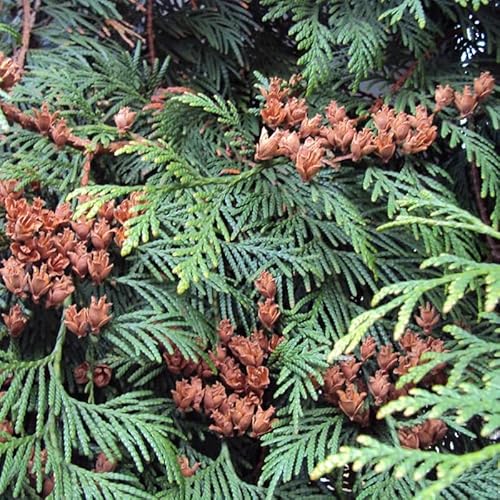
Seed packets offer a cost-effective way to establish a Western Red Cedar planting from seed. Best for gardeners who want long-term planning, soil preparation, and eventual landscape maturity. Seeds require cold moist stratification and careful sowing for successful germination. This option is less suitable for immediate privacy or quick-screen needs but excels in multi-season design projects.
Western Red Cedar Live Plug Plant Bundle

The live plug plant bundle provides an installment-ready option with established roots and a compact root ball. Best for buyers who want a straightforward in-ground addition with faster establishment compared to seeds. The plant enjoys full sun to partial shade and well-drained soil. A caveat is that plugs may require careful initial watering and protection against transplant shock in extreme conditions.
Buying Guide
How to choose between cedar products for your landscape needs
What’s your primary goal?
For fast privacy or wind protection, select live saplings or plug plants. For structural wood projects, consider shingles or cedar finishes that protect and enhance wood surfaces.
What climate and soil suit Western Red Cedar?
Cedar generally prefers full sun to partial shade and well-drained soil. It adapts to USDA zones 6-10 with proper care and soil conditioning. Consider soil pH and organic matter to support healthy growth and resilience against drought or disease.
How important is immediate results versus long-term planning?
If you need rapid screening, live plants or plugs offer quicker appearance. If you’re looking for a durable finish or long-term landscape structure, shingles or seeds for a future canopy provide enduring value.
What installation considerations matter?
Live trees require transplanting care and irrigation after planting. Shingles demand precise cutting and weatherproofing. Finishes require surface prep and reapplication over time. Plan for maintenance and seasonal care to maximize performance.
What are common trade-offs?
Live plants deliver immediate aesthetic benefits but need ongoing care. Seeds are economical but slower to mature. Finishes and shingles offer durability and style but need proper installation and periodic upkeep. Choose the option that aligns with your maintenance capacity and design goals.
Summary of key considerations
- Growth rate and maturity timeline
- Site preparation and soil needs
- Maintenance requirements and protective finishes
- Intended use: privacy, aesthetics, or structural material
- Budget implications for initial purchase and ongoing care
FAQ
- What is Western Red Cedar best used for in landscapes?
For privacy screens, windbreaks, and decorative or structural elements due to its aroma and rot resistance. - Are cedar seeds a good starting point for beginners?
Yes, but they require stratification and longer time to establish; expect a longer timeline before visible results. - Do cedar shingles require special installation?
Yes, proper weatherproofing and precise cutting improve longevity and performance. - Which product is best for quick visual impact?
Live saplings and plug plants offer faster visible growth compared with seeds. - Can I mix cedar products for a cohesive landscape?
Yes, combining live plants, finishes, and shingles can create a unified aesthetic with practical benefits. - What maintenance is typical for Western Red Cedar?
Watering after planting, periodic pruning, and finishing or sealing as needed for outdoor elements.