Best Wick Applicators for Herbicides: Precision Weed Control
Wick applicators offer precise, low-drift herbicide delivery for homeowners and small-scale growers. This guide highlights five top options and explains who each tool is best for, along with practical tips to avoid over-application. The featured products are ideal for spot treatments, small gardens, lawns, nurseries, and fence lines where targeted weed control is needed without heavy spraying.
| Product | Brand |
|---|---|
| Green Leaf SW 5 Foot String Wing Wick Applicator ATV Weed Wiper | Green Leaf |
| Rittenhouse Wick Weeder Applicator | Rittenhouse |
| Weed Wand Magic – Precision Herbicide Applicator | Standard Golf |
| Smucker RW0190 Red Weeder Replacement Sleeve | Green Leaf |
| Green Leaf WK20 Wick String Wing Do-It-Yourself Kit | Green Leaf |
Green Leaf SW 5 Foot String Wing Wick Applicator
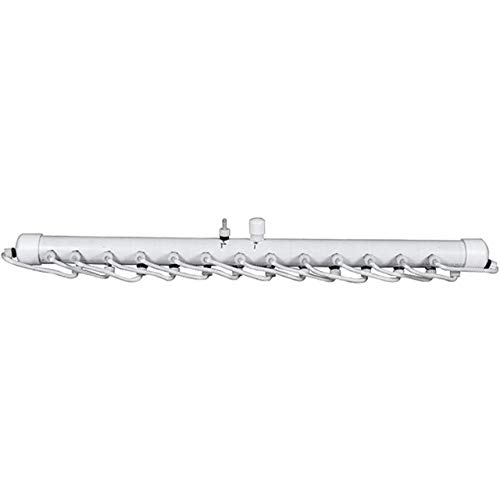
This wick applicator is designed for gardeners and small farms needing durable, long-wick coverage. It supports non-selective chemical applications and emphasizes robust construction for varied conditions. The long wick enables double coverage for targeted crops, reducing drift and waste. Best for larger plots where a single pass covers a wide area and users want a sturdy tool that can tolerate outdoor use.
Best for: Home gardeners managing weed growth along rows or paths, and small-scale farmers needing a reliable, double-coverage option. Consider this if you value durability and broad coverage in a single pass. Caution: ensure proper protective gear and follow herbicide label instructions to avoid unintended contact with desirable plants.
Rittenhouse Wick Weeder Applicator

The Wick Weeder features a ball valve and a simple fill-and-wipe design. It’s ideal for spot treatment without spray drift and is especially suitable for users who want a straightforward, hand-operated solution. This tool helps apply herbicides directly to weed foliage or root zones with minimal mess or environmental exposure.
Best for: Small garden beds or border areas where precise application is critical and drift risk must be minimized. Choose this if you prioritize a simple, well-contained method. Limitation: not as suited for large-scale or high-volume coverage compared to longer-wick systems.
Weed Wand Magic – Precision Herbicide Applicator

This compact wand focuses on precise spot applications with a nozzle designed to minimize overspray and drifting, even on windy days. Its piercing-tip delivery is aimed at delivering herbicide directly into weeds’ tissues, reducing chemical waste and protecting surrounding plants. An ergonomic handle and a long reach make it comfortable for extended use, especially in lawn edges and narrow beds.
Best for: Yard maintenance where precision is essential, and users need to treat individual weeds without affecting nearby plants. Use this if you need reliable spot-treatment accuracy. Limitation: the nozzle design may require careful cleaning to maintain consistency over time.
Smucker RW0190 Red Weeder Replacement Sleeve

This replacement sleeve is designed to fit the Red Weeder system and focuses on a robust structure that resists wear in various weather conditions. It helps ensure even distribution of herbicides and is easy to fix to the main wand for extended use. It’s a practical choice for gardeners who already rely on a wick-based approach and need reliable sleeves for ongoing work.
Best for: Users who own the Red Weeder system and want a durable sleeve to maintain consistent application. Caution: verify compatibility with your existing device before replacing to avoid fit issues.
Green Leaf WK20 Wick String Wing Do-It-Yourself Kit

This DIY kit includes a 20-foot wick string and is designed for gardens, lawns, and nurseries. It supports weed control by delivering herbicides directly to plant leaves, reducing wastage compared to spray methods. It’s especially useful for small to medium plots where flexibility and cost-efficiency matter, and it offers a straightforward setup for hands-on gardeners.
Best for: Backyard gardeners and small farms seeking a cost-effective, flexible wick solution. Choose this if you want a DIY approach and long reach. Limitation: assembly and maintenance may require more hands-on effort than pre-assembled options.
Buying Guide: Wick Applicators For Herbicides
What should you consider before buying a wick herbicide applicator? First, define your target area. For large yards or small farms, a longer wick and sturdy frame reduce the need for frequent refilling and increase coverage efficiency. If your work is limited to garden beds or borders, a compact wand or sleeve setup can be more maneuverable and comfortable during long use.
Key questions to guide your choice:
- What is the primary use case: spot treatment, border weed control, or wide-area coverage?
- Do you need drift reduction, and how important is wind tolerance for your area?
- Is an ergonomic handle and reach a priority to minimize bending or back strain?
- Will you use a ready-made system, or do you prefer a DIY kit for customization?
- Is replacement parts availability important for long-term maintenance?
Design considerations to compare across options:
- Wick length and material: longer wicks cover more area but require careful handling around plants with thin leaves.
- Applicator compatibility: ensure sleeve or wand fits your current device to avoid wastage or fit issues.
- Delivery method: direct-into-plant delivery reduces drift, but some setups may require more careful alignment.
- Durability: weather resistance and construction quality influence longevity in outdoor use.
- Ease of maintenance: replaceable parts and straightforward cleaning help sustain performance over time.
Frequently Asked Questions
- What is a wick applicator best used for? – Wick applicators are ideal for precise, drift-minimized herbicide delivery to targeted weeds and plant leaves, particularly in borders, lawns, and nurseries.
- Are wick applicators safer than spray systems? – They typically reduce drift and exposure to non-target plants, but users should still follow all label directions and wear protective gear.
- Can I replace parts on all wick applicators? – Replacement sleeves, wicks, and components are available for many models, but compatibility varies by brand and model.
- Which features matter most for a beginner? – Look for simple, ergonomic handles, clear application guidance, and a kit that includes or supports easy replacement parts.
- Is a DIY wick kit worth it? – A DIY kit can be cost-effective and customizable for small plots, but may require more assembly and maintenance effort.
- How do I prevent overspray with a wick applicator? – Use models designed for precision, follow manufacturer directions, and apply in calm conditions to minimize wind drift.