Best Wood Raised Garden Planters for Easy Outdoor Growing
If you’re looking for sturdy, all-wood raised garden beds to boost harvests and simplify gardening, a wood raised garden planter is a smart choice. These options suit backyard hobbyists, balcony gardeners, and families with kids who want a low-maintenance planting bed. The following selections emphasize durability, good drainage, and straightforward assembly. Use the quick reference table to compare key details at a glance.
| Product | Size / Capacity | Best For |
|---|---|---|
| Best Choice Products 48 x 24 x 30 Inches | 48″ x 24″ x 30″ • 200 lb capacity | Moderate plots, patios, and balconies |
| Best Choice Products 72x24x30in | 72″ x 24″ x 30″ • 300 lb capacity | Larger vegetable beds or flowering displays |
| Best Choice Products 34x18x30in | 34″ x 18″ x 30″ • 150 lb capacity | Kids’ garden or compact spaces |
| MIXC 48x24x31 in | 48″ x 24″ x 31″ • 331 lb capacity | Heavy soil loads, robust outdoor growing |
| SoliWood Raised Bed with Legs 48x24x30″ | 48″ x 24″ x 30″ • 300 lb capacity | Natural wood look with sturdy legs |
Best Choice 48 x 24 x 30 Inches Raised Garden Bed
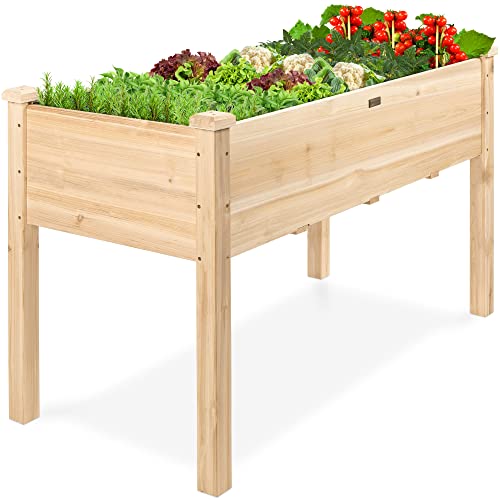
Features: Long planting space (5 cu ft) with proper drainage, all-wood construction using Chinese fir for weather resistance. Best for medium-sized patios and backyards where a robust bed is desired for vegetables and herbs.
- Best for cooks and home gardeners who need a durable, mid-size planter with easy access.
- Limitation: May require additional lining for some soils or crops depending on drainage needs.
Best Choice 72x24x30in Raised Garden Bed

Features: Large planting space (8.4 cu ft) with six drainage holes to aerate roots and prevent rot; all-wood construction with durable Chinese fir for a weather-ready frame. Best for expansive vegetable plots or flower beds on a deck or yard.
- Best for: gardeners who want substantial space without multiple separate planters.
- Caution: A larger footprint requires secure placement on level ground to avoid tipping.
Best Choice 34x18x30in Raised Garden Bed

Features: Ample planting space (2.65 cu ft) designed for kids and new gardeners; drainage helps prevent waterlogging; all-wood construction using Chinese fir. Best for smaller patios, balconies, or education-minded gardening.
- Best for: families with kids or newcomers who want a compact, manageable bed.
- Limitation: Smaller soil volume compared with larger beds, so soil management is important for heavy crops.
MIXC 331 lb Capacity Wooden Raised Garden Bed

Features: 48” x 24” x 31” with a heavy-duty structure, 331 lb soil capacity, and drainage holes with an inner liner for moisture control. Best for gardeners needing a stronger frame and higher soil load capacity.
- Best for: vegetable beds that require robust support and longer-term durability.
- Limitation: Heavier to move and install; liner usage requires careful hole management for drainage if desired.
SoliWood Raised Garden Bed With Legs

Features: 48 x 24 x 30 inches, 300 lb capacity, natural solid wood with water-based finishing for safe outdoor use. Best for those who want a natural wood look and sturdy legs for elevation.
- Best for: gardeners seeking a classic wood aesthetic with solid leg support.
- Caution: Finish is water-based; reapplication may be needed over time to maintain look and durability.
Buying Guide: How to Choose the Right Wood Raised Garden Planter
What should you consider before buying a wood raised garden planter? Size, weight capacity, drainage, and assembly effort are key factors. For smaller spaces, a 34″ x 18″ bed is often sufficient, while patios and medium yards can benefit from 48″ x 24″ or 72″ wide beds. Capacity matters for crops with deep roots or significant soil volume requirements. Drainage holes and inner liners affect moisture control and longevity of the wood. Choose beds made from durable woods like Chinese fir for weather resistance, and look for a design with a solid frame and elevated legs to minimize ground moisture contact.
What size do you need?
Small spaces: 34″ x 18″ or 48″ x 24″ beds. Medium yards and balconies: 48″ x 24″ and 72″ x 24″. Large yards or vegetable plots: 72″ x 24″ or larger.
Is drainage important?
Yes. Beds with multiple drainage holes or a built-in liner help roots avoid waterlogging, especially in rainy climates or with heavy irrigation.
Wood type and durability
Look for all-wood construction with weather-resistant woods like Chinese fir. A waterproof or water-based finish adds protection and reduces warping or rot over time.
Assembly and maintenance
Consider whether the bed requires tools or whether it snaps together easily. Some beds have pre-drilled slots and components that speed installation. Regular maintenance includes inspecting for splits, reapplying finish, and ensuring drainage is not blocked.
Best-use scenarios
Family-friendly kits with shorter heights are ideal for kids’ gardens and beginner growers. Taller, longer beds suit serious vegetable gardens or decorative plantings on decks and patios. If space allows, combining multiple beds can create a modular raised garden system with flexible layouts.
FAQ
- What is the typical lifespan of a wood raised bed? Answer: Lifespan depends on wood type, finish, and exposure; properly sealed beds with good drainage can last several seasons to multiple years in outdoor conditions.
- Do these beds require liners? Answer: Liners are optional; they help preserve wood and manage moisture but can reduce soil contact with wood if drainage is important.
- Are these beds suitable for vegetables? Answer: Yes, many models are designed to support vegetables, herbs, and flowers with adequate depth and drainage.
- Can they be moved after assembly? Answer: Some beds are heavy; moving may require disassembly or two people for safe relocation.
- What height is best for accessibility? Answer: Bed heights around 30 inches are a balance between easy reach and soil depth for root crops.
- Do these beds come with bed liners? Answer: Some models include bed liners; others offer liners as an optional accessory for moisture control.