Best Wood Substrates for Mushrooms for Optimal Harvests
Wood-based substrates provide nutrients and structure that many gourmet and medicinal mushrooms crave. This guide highlights five reliable wood-related substrates from trusted suppliers, outlining key features to help growers select the right option for their setup. Each product is evaluated for suitability with common species, preparation requirements, and overall practicality for hobbyists and seasoned cultivators alike.
style=”display:none”>Summary Table of Selected Products:
| Product | Brand |
|---|---|
| Shroomability Wood Mushroom All in One Grow Bags 5 lb | Shroomability |
| MushRoomMediaOnline – 100% Oak Mushroom Pellets Substrate (20 Pounds) | MushRoomMediaOnline |
| North Spore ‘Mastr Mix’ Sterile Soyhull & Hardwood Bulk Substrate | North Spore |
| Myco Labs Premium Bulk Mushroom Substrate Mix (5 LBS) | Myco Labs |
| Boomer Shroomer Dry Bulk Substrate for Mushroom Cultivation | Boomer Shroomer |
Shroomability Wood Substrate Grow Bags
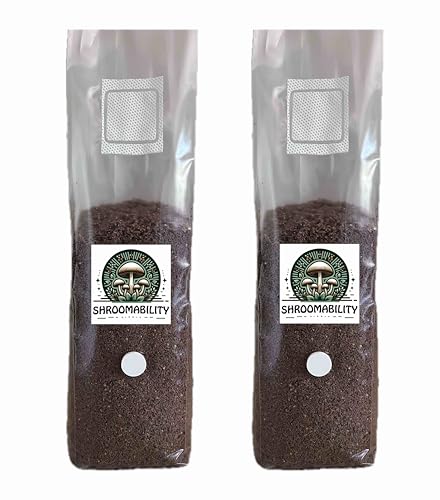
The Shroomability kit centers on oak sawdust substrate with a self-healing inoculation port and a gas exchange filter, designed for quick setup and sterile handling. Each order covers two 2.5-pound bags, totaling five pounds of substrate, crafted from virgin oak sawdust blended with food-grade additives. A prep kit—including nitrile gloves, alcohol swabs, and a face mask—arrives with every order, reducing prep time and equipment purchases for beginners. The included mini mister helps maintain moisture levels between inoculation and fruiting, supporting consistent colonization across mushroom species such as lion’s mane and oyster.
Pros: ready-to-use bags reduce prep work; sterile packaging and prep kit enhance cleanliness; self-healing port supports easy inoculation. Cons: bag size may suit small to mid-scale runs; some species may require specific moisture adjustments post-inoculation.
MushRoomMediaOnline Oak Substrate Pellets (20 Pounds)

These oak pellets deliver oil and chemical-free substrate derived from whole oak logs, with no fillers or additives. The 20-pound option is designed to maximize yield by providing a reliable, clean base that supports multiple substrate bags. The natural composition emphasizes local sourcing and a straightforward preparation path for expansion into larger cropping cycles. Growers often pair this substrate with common hardwood-loving species like shiitake or oyster mushrooms, benefiting from consistent density and moisture retention.
Pros: clean, locally sourced material; strong yield potential; simple prep suitable for larger batches. Cons: pellet form may require additional hydration and compaction steps depending on cultivation method.
North Spore Mastr Mix Substrate

North Spore markets Mastr Mix as a flexible substrate designed for multiple species, including oyster, shiitake, maitake, pioppino, king trumpet, and chestnut mushrooms. The blend centers on pasteurized, laboratory-quality processing and a proprietary formulation intended to shorten colonization times while delivering dependable field capacity for growth. The blend’s pasteurization and controlled cooling within ISO-standard clean rooms aim to maintain nutrient balance and reduce contamination risk, offering a reliable option for hobbyists expanding beyond single-species cultivation.
Pros: broad species compatibility; improved colonization speed; professional processing controls. Cons: may require adjustments for species with specific mycelial preferences; availability may vary by region.
Myco Labs Bulk Substrate Mix

Myco Labs presents a fully pasteurized 5-pound bag designed for dung- and grain-loving mushrooms. The brand emphasizes a unique pasteurization technique that preserves beneficial nutrients while ensuring pathogen suppression. The substrate is optimized for maximum yield through carefully balanced nutrients and water retention, achieving a reliable field capacity for growth. It comes pre-hydrated and ready to use with grain spawn, simplifying workflows for both newcomers and seasoned cultivators who value consistency and ease of use.
Pros: nutrient-preserving pasteurization; pre-hydrated for immediate use; strong yield potential. Cons: may require additional moisture management for some strains; supply may vary.
Boomer Shroomer Dry Bulk Substrate

Boomer Shroomer offers a dry bulk substrate comprised of a Coco Coir, Vermiculite, and Gypsum blend, designed to hydrate into approximately 9 pounds of hydrated substrate. This mix is positioned for monotub setups and similar fruiting environments, with clear instructions: add boiling water, allow hydration, then pasteurize for full readiness. The blend is suited for growers seeking a scalable substrate with reliable field capacity, capable of supporting multiple flushes when paired with appropriate humidity and air exchange.
Pros: flexible, scalable, and well-suited for monotubs; straightforward hydration workflow. Cons: requires careful hydration to reach optimal field capacity; may need additional amendments for certain species.
Buying Guide: Key Purchase Considerations
When selecting a wood-based substrate, consider species compatibility, preparation requirements, and your cultivation scale. Here are core perspectives to guide decisions:
- Species compatibility: Oyster, Shiitake, Lion’s Mane, Maitake, and Chestnut mushrooms each have preferred substrates. Substrates designed for a broad range of species offer versatility but may require tweaks for optimal performance with a specific fungus.
- Substrate form and handling: Pellets, sawdust, and dry mixes each demand different hydration and packaging considerations. Pellets and sawdust can provide dense nutrient matrices, while dry bulk blends may require precise hydration and pasteurization steps.
- Pasteurization versus sterilization: Pasteurized substrates preserve beneficial nutrients while minimizing contaminants, making them suitable for many species. Sterile or fully pasteurized options suit high-contamination risk setups but may come at a higher preparation cost.
- Moisture management: Field capacity and moisture retention are critical. Substrates with better water-holding properties reduce the risk of dry-out during fruiting, especially in humid environments or with species that demand high moisture.
- Scale and workflow: Hobbyists benefit from ready-to-use bags and prep kits, while larger operations may favor bulk substrates and more flexible formulations that support multiple species and longer fruiting cycles.
- Quality and sourcing: Locally sourced wood-based inputs, minimal fillers, and clean-room processing can influence both yield and contamination risk. Reputable brands with transparent processing standards are advantageous.
- Cost and storage: Consider storage space, shelf life, and the total cost per growing cycle. Pelleted or pre-mixed substrates may reduce labor time and yield consistency, offsetting higher upfront costs.
Overall, the best wood substrate aligns with your preferred species, available space, and how much hands-on preparation you’re ready to perform. For beginners, ready-to-use or prep-included options reduce the learning curve, while experienced growers may leverage bulk mixes to customize nutrient balance and moisture management across species.