Best Woven Weed Fabric for Vegetable Garden: Durable Ground Covers for Easy Weeding
Find the right weed barrier to keep vegetable beds clean and productive. This guide highlights five top weed barrier fabrics, focusing on ease of installation, soil health, and longevity for American home gardens. Best for long-term beds, raised beds, and pathways, these options balance weed suppression with water and air flow. Use the buying guide to compare material thickness, cut-to-fit features, and installation accessories before choosing.
| Product | Size | Key Benefit |
|---|---|---|
| Grenebo Weed Barrier Fabric (4ft x 100ft) | 4 ft x 100 ft | Strong non-woven, fray-resistant, good for large vegetable plots |
| Grenebo Weed Barrier Fabric (4ft x 50ft) | 4 ft x 50 ft | Compact option for smaller beds, easy to cut |
| LAVEVE 4ft x 100ft | 4 ft x 100 ft | Professional-grade woven polypropylene, highly permeable |
| LGJIAOJIAO 3ft x 50ft | 3 ft x 50 ft | Heavy duty, durable with good water flow |
| FZHENGDELI 3ft x 50ft | 3 ft x 50 ft | 3.2 oz, breathable, long-lasting under harsh conditions |
Grenebo 4’x100’ Non-Woven Weed Barrier Fabric

Best for: Large vegetable plots and raised beds that need reliable weed suppression with soil-friendly breathability. This 4×100 foot roll blocks light to discourage weed growth while supporting air and water movement for healthy roots.
- High-density non-woven material provides effective light blockout to starve weeds of photosynthesis.
- Better air and water permeability than traditional woven fabrics, aiding soil respiration and reducing compaction.
- Easy to cut without fraying for clean edges and quick bed customization.
Best-for users who want a durable, long-run weed barrier with simple installation and minimal soil residue. Caution: Edges can fray if not cut cleanly; use scissors for precise widths.
Grenebo 4’x50’ Non-Woven Weed Barrier Fabric

Best for: Small to mid-sized garden beds where easy customization is helpful. This 4×50 foot roll offers the same fray-resistant, breathable design in a more compact footprint.
- Efficient weed barrier with light blockout to minimize maintenance.
- Soil-friendly non-woven construction supports root health and reduces soil disturbance.
- Easy to cut without fraying, saving time during bed shaping.
Caution: Slightly shorter length means more seams for larger plots; plan overlaps accordingly for full coverage.
LAVEVE 4’x100’ Weed Barrier Landscape Fabric

Best for: Gardeners seeking professional-grade permeable weed control with straightforward installation. The 3.2 oz fabric provides durability and long-lasting coverage for vegetable plots.
- Professional-grade woven polypropylene for solid weed suppression.
- Permeable and breathable design reduces erosion and supports soil health.
- Clear guide lines aid precise cutting; compatible with pegs for secure anchoring.
Limitation: Heavier fabric can be less forgiving on very curved bed shapes; consider additional shaping tools for irregular borders.
LGJIAOJIAO 3’x50’ Heavy Duty Weed Barrier
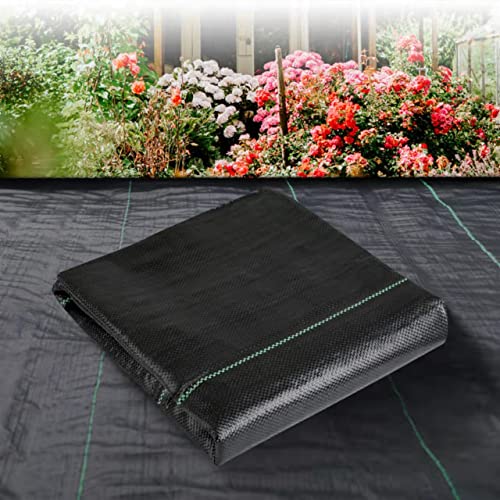
Best for: Narrow bed spaces and pathways where durability matters. This 3×50 ft roll provides strong geotextile protection with reliable water passage to keep plant roots hydrated.
- Premium weed barrier fabric with high tensile strength and tear resistance.
- Allows water and nutrients to flow through while blocking weed growth.
- Durable enough for long-term use, including areas with foot traffic.
Caution: Narrow width means more seams for larger installations; plan seam layout to minimize weed gaps at joins.
FZHENGDELI 3’x50’ Weed Barrier Roll

Best for: Vegetable beds and garden projects requiring strong, breathable protection with long-lasting performance in sun exposure. The 3.2 oz fabric balances durability with flexibility for planting layouts.
- 99.8% shading rate for effective weed suppression while maintaining soil moisture balance.
- Breathable weave design supports air and water infiltration to roots.
- Heavy-duty, sun-proof formula reduces cracking under harsh conditions.
Limitation: Heavier shade can require careful edge finishing to prevent weed infiltration at bed borders.
Buying Guide: How To Choose The Right Weed Barrier Fabric
- Weed suppression vs. soil health: Non-woven fabrics typically offer better breathability, while woven fabrics can be more durable in high-traffic areas. Consider your planting depth and root systems when choosing.
- Width and length: Match fabric size to bed dimensions to minimize seams. Wider rolls reduce the number of joints where weeds can grow through.
- Permeability: High water and air permeability helps soil health but may require thicker, more durable fabrics for aggressive weed pressure.
- Cutting and installation: Look for edges that cut cleanly without fraying. Green guide lines and included pegs simplify alignment and securing.
- Durability: Heavier oz ratings and reinforced fibers extend life in sun exposure and foot traffic. For driveways or paths, durability becomes critical.
- Soil safety: Materials free from heavy metals and phthalates are preferable for vegetable gardens to protect soil pH and microbial life.
Frequently Asked Questions
- What is the best weed barrier for vegetables? A non-woven or woven landscape fabric with good permeability and clean cutting edges tends to work best for most veggie beds, balancing weed suppression and soil health.
- How do I install weed barrier around irregular beds? Cut to fit shapes with precision scissors, use U-shaped pegs, and cover exposed edges with mulch or edging to prevent weed growth at seams.
- Can weed barriers affect soil pH? Reputable fabrics designed to avoid heavy metals and phthalates are less likely to alter soil pH; always test soil periodically.
- Should I use multiple layers of fabric? For heavy weed pressure or very long-term installations, one layer is usually sufficient; additional layers can impede water infiltration and root growth.
- How do I secure fabric in windy areas? Use pegs or landscape staples along edges and seams; overlap seams by several inches to prevent weed infiltration.
- Can weed barrier fabrics be recycled after use? Some can be recycled domestically depending on local programs; check local recycling guidelines for polypropylene fabrics.