Best Yellow and Red Coreopsis Seeds for Sunny Garden Color
Looking for vibrant, low-maintenance wildflowers that bring bright yellow petals with striking red centers to sunny beds and meadows? These coreopsis varieties are ideal for gardeners who want bold color, drought tolerance, and easy-to-grow seeds. The top picks below are especially suited for pollinator gardens, wildflower meadows, and beds that want reliable, long-lasting bloom from midsummer into fall. Each option targets different growing scales—from small patches to larger meadow plantings—so you can pick based on space and effort. A quick buyer’s guide follows with actionable questions to help you choose.
| Product | Why It Stands Out | Best For |
|---|---|---|
| SVI 2500 Plains Coreopsis Seeds | High-Impact bicolor blooms; heat and drought tolerant; fast germination. | Low-water gardens and mixed wildflower beds. |
| Coreopsis Plains Tall — 25+ Seeds | Bright yellow with red centers; easy to plant and grow. | Smaller garden patches or container plantings. |
| Coreopsis Plains Tall Seed — 100 Seeds | Vivid color and generous seed count; straightforward care. | Medium-size garden beds or borders. |
| Coreopsis Plains Tall — 50+ Seeds | Bright blooms with red centers; easy propagation and care. | Garden borders and pollinator margins. |
| Blackberry Hollow Farm — 200+ Plains Coreopsis Seeds | High seed quantity; drought tolerance; cheerful color. | Wildflower meadows and larger sunny plots. |
SVI 2500 Plains Coreopsis Seeds

Features include Yellow petals with deep red centers, heat and drought tolerance, and rapid germination. Best for gardeners seeking a reliable, year-round bloom in full-sun, dry-soil conditions. Choose this if you want a heavy display in outdoor beds or wildflower meadows with minimal irrigation. A note: surface sow and press in to support germination around 65°F, then expect sprouts in about 10–15 days.
Coreopsis Plains Tall — 25+ Seeds
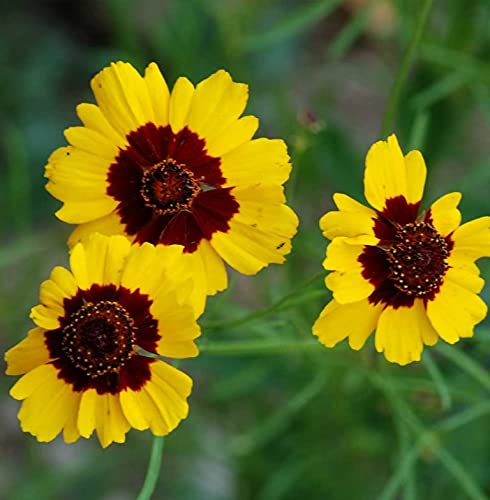
Best for compact garden spaces or containers, these bright yellow blooms with red centers offer saturated color with easy growth. Best suited for small borders, patio pots, or stepping-stone planters. If you need a quick splash of color in a limited area, this option is a solid pick. Caution: exact germination rates depend on soil and climate; ensure full sun exposure for optimal results.
Coreopsis Plains Tall Seed — 100 Seeds

This larger seed count supports mid-sized garden beds and border plantings with repeating color. Best for gardeners who want easy-to-maintain plantings with long blooming periods. Choose this if you’re planning a continuous display through late summer into fall. Limitation: performance can vary with soil drainage; ensure well-draining soil for best results.
Coreopsis Plains Tall — 50+ Seeds
Best for bigger flower borders and pollinator habitats, these seeds deliver bright yellow blooms with red centers across substantial garden spaces. This option balances quantity and maintainability. If you want a more expansive display, this seed set is a good middle-ground. Limitation: growth may be influenced by heat and soil moisture; watering during establishment improves success.
Blackberry Hollow Farm — 200+ Plains Coreopsis Seeds

Best for large-scale wildflower meadows and sunny fields, this bulk option supports dense plantings and dramatic color from late spring through fall. It’s ideal for gardeners aiming to establish a pollinator-friendly meadow with repeated yellow and red-centered blooms. Caution: very large plantings may require thinning to prevent overcrowding and to maintain plant vigor.
Buying Guide: Coreopsis Seed Buying Considerations
- Sun and soil requirements: Coreopsis blooms best in full sun and well-drained soil. If your bed tends to stay damp, add compost and ensure drainage to avoid root stress.
- Seed quantity vs. garden size: For small patches, 25–50 seeds may suffice. For meadows or border plantings, 100–200 seeds can create a fuller display over time.
- Bloom timing: Plains coreopsis typically delivers late summer to early fall color. Plan succession by spacing plantings to extend bloom periods.
- Water needs: These are generally drought-tolerant once established. Establish seedlings with light watering until roots form.
- Germination guidance: Surface sow or lightly press seeds into soil; many varieties germinate within 10–15 days at about 65°F.
- Contraindications: In very hot, dry climates, provide occasional irrigation during establishment to maximize germination success.
How To Plant Coreopsis For Best Results
Choose sunny, well-drained locations. Prepare soil by removing weeds and loosening the top 6–8 inches. Scatter seeds lightly or sow in rows, then press gently. Water lightly after planting and keep soil consistently moist until germination. Once established, reduce watering to encourage drought tolerance while maintaining bloom vigor.
Care Tips To Extend Coreopsis Life
- Mulch around plants to maintain soil moisture and suppress weeds.
- deadhead spent flowers to promote continued blooming and prevent self-seeding from overflowing areas.
- Fertilize sparingly; excessive nitrogen can lead to lush foliage with fewer blooms.
FAQ
- Q: Are yellow and red coreopsis perennials or annuals? A: Coreopsis plains tall varieties can be annuals or perennials depending on climate and cultivar; many are grown as annuals in colder regions.
- Q: Do these seeds attract pollinators? A: Yes, coreopsis blooms attract butterflies and bees, supporting pollinator gardens.
- Q: How long do the blooms last in a season? A: Blooming typically spans mid-summer through early fall in suitable conditions.
- Q: Can I plant in containers? A: Yes, most coreopsis varieties perform well in sunny container gardens with proper drainage.
- Q: What’s the best way to increase germination success? A: Surface sow or lightly press seeds into well-prepared soil and maintain even moisture as seedlings establish.