Best Yellow Rose Bushes for Sunny Gardens and Colorful Borders
Direct answer: If you want vibrant yellow rose bushes that thrive in common American gardens, these five options cover compact varieties for small spaces, sturdy own-root plants for durability, and fragrant, taller blooms for dramatic focal points. Each selection is best for specific buyer needs—compact landscapes, beginner-friendly planting, or cut-flower–worthy stems. The table below highlights quick comparisons to help you decide at a glance.
| Product | Best For | Height / Spread | Notes |
|---|---|---|---|
| Perfect Plants Easy Bee-zy™ Knock Out® Rose Bush | Small gardens, containers | 3–4 ft tall & wide | Bright sunshine-yellow clusters, low maintenance |
| Ma Cherie Roses – Gold Medal Yellow | Vibrant borders & arrangements | 2 quart plant, robust growth | Own-root, strong root system |
| Julia Child Rose Bush – Butter Yellow | Colorful border accents | 2–3 ft tall | Butter yellow, double blooms |
| Perfect Plants Lemon Drift Rose Bush | Ground cover and mass plantings | Compact, stays small | Cold hardy across Zones 4–11 |
| Sunny Sky Rose Hybrid Tea | Fragrant, tall focal point | 4–5 ft tall, 3 ft wide | Own-root, fragrant yellow blooms |
Perfect Plants Easy Bee-zy Knock Out Yellow Rose Bush
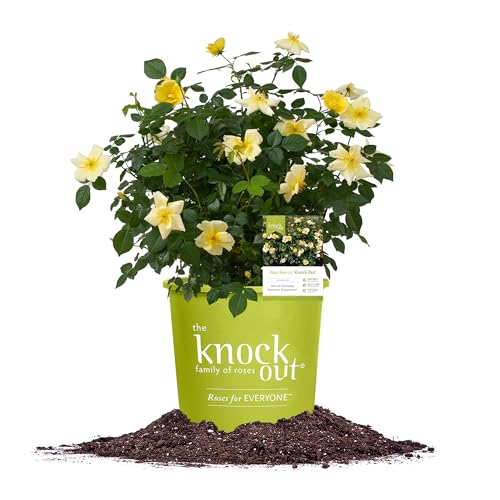
The Easy Bee-zy Knock Out Rose Bush showcases vibrant sunshine-yellow blooms in dense clusters. Best for small gardens or container plantings where space is at a premium. Its compact form (approximately 3–4 feet tall and wide) makes it suitable for borders, entryways, and patios. Dark green foliage provides a striking backdrop that intensifies yellow color.
Best for: gardeners seeking a low-maintenance, disease-tolerant yellow rose with reliable flowering and a compact footprint. Selected for its suitability to tight spaces and easy care.
Caution: While generally resilient, it benefits from regular mulching and proper drainage to prevent crown issues in wetter climates.
Ma Cherie Gold Medal Yellow Rose Bush

Ma Cherie Roses’ Gold Medal Yellow offers stunning golden blooms that create a bold garden focal point. Grown through own-root propagation, this plant develops a robust root system, contributing to better winter resilience and year-after-year vigor. The plant arrives as a ready-to-plant 2-quart specimen with established growth.
Best for: gardeners wanting a strong, reliable yellow rose with showy flowers and improved longevity from an own-root plant. Chosen for its easy establishment and vibrant color effect.
Caution: Own-root roses can take longer to establish compared with grafted varieties in some climates; provide steady moisture during initial establishment.
Julia Child Rose Bush – Butter Yellow

Julia Child Rose Bush produces a cheerful butter-yellow color with double blooms that brighten borders and beds. This cultivar is suitable for zones 4–10 and typically reaches about 2–3 feet in height, making it a good choice for mid-border plantings, cottage gardens, or as a bed edge accent.
Best for: gardeners who want a compact, cheerful yellow rose with repeat blooming and a pleasant fragrance in suitable zones. Selected for its classic yellow hue and reliable florals.
Caution: As with most roses, mulching and proper sun exposure (6+ hours daily) maximize bloom production and disease resistance.
Perfect Plants Lemon Drift Rose Bush

The Lemon Drift Rose Bush is designed as a ground-covering, small-stature option that stays compact in its growth. It is described as cold hardy across Zones 4–11 and is rooted in nursery pots, ready for transplanting. It provides a steady, smaller yellow presence ideal for mass plantings along borders or as a low-growing hedge.
Best for: buyers seeking a low-maintenance, compact yellow rose that remains tidy in larger plantings or along walkways. Chosen for easy outdoor establishment and resilience across a broad hardiness range.
Caution: This variety is best kept in well-drained soil; heavy clay with poor drainage can hinder growth and bloom density.
Sunny Sky Rose Hybrid Tea

Sunny Sky is an own-root hybrid tea rose with fragrant yellow blooms on long stems, making it attractive for cut flowers and focal points in the landscape. The plant ships in a 1.5-gallon container and is suited for zones 5–9. Its fragrance and tall habit create a bright, airy feel in borders or as a standout accent in a mixed bed.
Best for: buyers wanting a tall, fragrant yellow rose with excellent stem length for arrangements or dramatic garden statements. Chosen for its fragrance, bloom form, and strong own-root vigor.
Caution: Taller varieties may require staking or support in windy locations and in sites with uneven moisture distribution.
Buying Guide
What should you consider before buying yellow rose bushes?
- Growth habit and space: Choose compact types for small yards and larger varieties for borders or focal points.
- Root type: Own-root roses can offer robust winter resilience and faster regrowth in some climates, but may establish more slowly than grafted forms.
- Hardiness zones: Match the plant to your USDA zone to avoid winter damage and ensure reliable flowering.
- Bloom form and fragrance: Decide if you want simple yellow blooms, double petals, or fragrant stems for cutting.
- Maintenance needs: Consider disease resistance, pruning requirements, and sunlight exposure to maximize bloom production.
Frequently Asked Questions
- What is an own-root rose? An own-root rose grows roots from the same variety as the stems and flowers, rather than being grafted onto another root stock.
- Do yellow roses require full sun? Most yellow roses perform best with at least 6 hours of direct sun per day for optimal flowering and health.
- Are yellow roses more prone to pests? No color-specific pest susceptibility is universal; keep plants healthy with proper spacing, watering, and monitoring.
- Can these roses be grown in containers? Yes, many compact or semi-dwarf varieties are suitable for containers with well-draining soil and adequate sun.
- How often should I prune yellow roses? Pruning timing depends on cultivar and climate, but a general approach is to prune after the last hard frost to shape and encourage rebloom.
- Are these roses good for cut flowers? Several listed varieties produce long, sturdy stems suitable for bouquets, especially the taller and fragrance-rich options.