Best Zone 4 Fast Growing Trees for Quick, Reliable Shade and Color
Looking for fast-growing, resilient trees that perform well in Zone 4? This guide highlights five top options suited for cold winters and growing seasons in Zone 4, with practical reasons to choose each and a quick buying overview. The selections emphasize strong growth, adaptable hardiness, and landscape value for homeowners and yard projects.
| Product | Why It Stands Out | Best For |
|---|---|---|
| Maple Autumn Blaze Tree | Bright fall colors, strong growth, drought tolerance | Colorful autumn display in moderate-to-hot summers |
| 3 Sycamore Trees for Planting | Rapid shade, sturdy structure, peeling bark | Creating immediate shade in large yards |
| River Birch (4-5ft) | Hardy in zones 4-9, striking fall color, tall growth | Reliable, year-round landscape presence |
| Northern Red Oak (24-36″) | Fast-growing oak; dramatic autumn foliage | Long-term shade and classic look |
| Pawpaw Tree Live Plants (Asimina triloba) | Native fruit with tropical flavor profile; vigorous growth | Edible woodland fruit harvest |
Maple Autumn Blaze Tree — Vibrant Fall Foliage

The Maple Autumn Blaze is a fast-growing maple known for its brilliant fall colors. In mature form, maples can reach a height of 40-50 feet with a 30-40 foot spread. This selection delivers a symmetrical, rounded canopy that provides expansive shade. Its autumn leaves transform from green to bright orange and red, offering a striking seasonal display. Best for buyers seeking a high-visibility focal tree and dramatic color in fall, especially when paired with cooler-season plantings. A potential limitation is geographic shipping restrictions in some states; confirm availability for your area before purchasing.
3 Sycamore Trees for Planting

This bundle includes three live sycamore starter trees, ideal for homeowners who want fast-growing shade quickly. Sycamores are known for rapid growth and a substantial mature size, which helps cool large outdoor spaces sooner. Distinctive peeling bark adds year-round visual interest. Best for large yards and commercial landscapes where fast canopy development is desired. A caution: bare-root or young trees require careful handling during transplanting to establish strong roots.
4 Curly Willow Tree Cuttings

These curly corkscrew willow cuttings offer an exotic look with naturally curling branches, adding a unique silhouette to any garden. Suitable for growing zones 3-10, these plants are easy to grow and make striking privacy or accent trees. Ideal for landscapers seeking fast visual impact and a distinctive architectural element. Limitation: care and patience are needed to encourage curling growth, and results can vary with climate and moisture.
5 Willow Trees — Ready to Plant
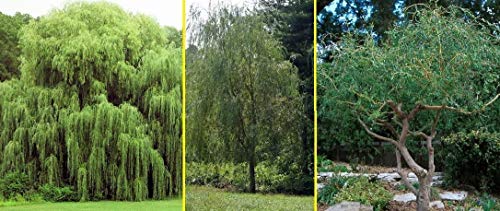
This grouped shipment includes a mix of weeping willow, Austree hybrid willow, and corkscrew willow for a varied texture and height palette. The combination offers multiple visual choices and canopy shapes, useful for privacy screens and shade strategy. Best for buyers wanting a diverse willow selection in one package. A potential drawback is that the mix may require attention to soil and moisture to suit each species’ preferences.
Pawpaw Tree Live Plants

The Pawpaw tree is a native fruit option, producing tropical-flavored pawpaw fruit clusters. These live plants are suited for backyards and edible landscapes, offering a unique fruit experience in Zone 4 climates. Best for fruit enthusiasts and native-plant gardeners seeking a low-maintenance yet productive addition. A limitation: pawpaw fruit set can be variable and depends on pollination and proper spacing for optimal yield.
Buying Guide: Zone 4 Fast-Growing Trees
- Growth rate vs. mature size: Fast growth is appealing, but ensure the final size fits your landscape plan and local space constraints.
- Hardiness and winter resilience: Look for trees rated for Zone 4 or lower to withstand cold winters and late frosts.
- Soil and moisture tolerance: Consider drought tolerance, soil type, and site moisture when selecting trees for reliable establishment.
- Shade vs. ornamental value: Decide whether you want quick shade, vibrant autumn color, or year-round visual interest from bark and form.
- Rooting and transplant considerations: Bare-root vs. container stock affects planting timing and survival; follow local planting guidelines.
- Maintenance needs: Some trees demand more pruning, watering, or protective measures in cold climates.
Frequently Asked Questions
- What is the fastest-growing tree for Zone 4?
– Fast-growing options include certain maple and sycamore species, but growth rate depends on site conditions and care. - Which tree provides the best autumn color in Zone 4?
– Maples are renowned for vivid fall color, along with oaks and some birch varieties depending on local conditions. - Are willow trees suitable for cold climates?
– Yes, many willow varieties tolerate Zone 4 winters, but some cultivars prefer milder climates; choose winter-hardy types accordingly. - Do Pawpaw trees require cross-pollination?
– Pawpaws often need cross-pollination for better fruit set; planting more than one tree can improve yields. - When is the best time to plant these trees in Zone 4?
– Early spring or fall planting windows are common; ensure soil drainage is adequate and avoid extreme heat or cold at planting. - Can I plant multiple of these trees close together?
– Provide proper spacing to prevent crowding and allow mature canopy spread; refer to each species’ recommended spacing.