Best Dwarf Cosmos Flower Seeds for Small Gardens and Containers
Looking for compact, easy-to-grow cosmos that brighten borders, containers, or small patches? Dwarf cosmos seeds deliver colorful, long-blooming flowers without taking over your space. This guide highlights five top dwarf cosmos seed varieties, explains who they’re best for, and helps you choose with practical, buyer-friendly details.
Summary of chosen products:
| Product | Best For | Size Range | Main Benefit |
|---|---|---|---|
| Dwarf Red Cosmos Flower Seeds (Isla’s Garden Seeds) | Containers or small beds | 12–24″ tall | Bright red, compact habit |
| “Dwarf White” Cosmos Flower Seeds (Isla’s Garden Seeds) | Borders and planters | 36–48″ tall | Classic white blooms, medium height |
| Dwarf Pink Cosmos Flower Seeds (Isla’s Garden Seeds) | Colorful mixed beds | 3–6 feet tall | Vibrant pink varieties, large show |
| HOME GROWN Dwarf Lemon Cosmos Seeds | Containers and borders | 12–24″ tall | Fast blooming, bright lemon color |
| Lemon Yellow Sulphur Dwarf Cosmos Seeds (Isla’s Garden Seeds) | Bright color accents | Compact to medium | Cheerful yellow blooms, heat-tolerant |
Dwarf Red Cosmos Flower Seeds for Planting
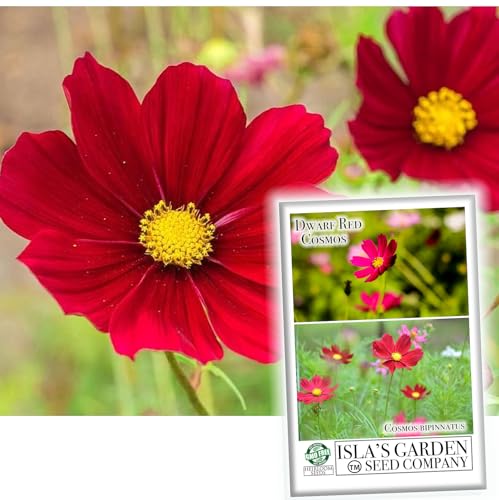
Best For: gardeners who want a bold color in tight spaces, including containers and edging. Why selected: compact growth with a dwarf habit and showy red blooms that add drama to any border or container planting. The seeds are described as annuals that self-seed, offering continued garden interest in subsequent years in favorable climates. Best planting: direct sow after frost for summer to fall color. Caution: blooms may be shorter-lived in extreme heat; provide consistent moisture during peak heat.
“Dwarf White” Cosmos Flower Seeds for Planting

Best For: white-flowered accents in mixed borders or containers. Why selected: a cool-toned, classic cosmos that remains manageable in height while offering high-contrast color against greens. Self-seeding habit may reappear in spring in milder climates. Best planting: full sun with well-drained soil. Caution: taller plants in the mix can outgrow shorter companions; place white dwarfs where they won’t be shaded.
Dwarf Pink Cosmos Flower Seeds for Planting

Best For: color-rich borders and container combinations. Why selected: a 3–6 foot tall range makes it notable for height variation within plantings, with pink blossoms described as solid pink, white, maroon, and pink with deep pink flares. This variety provides long bloom periods and works well in masses or as a focal row. Caution: the taller end of the range may require staking in windy areas to maintain tidy lines.
HOME GROWN Dwarf Lemon Cosmos Seeds

Best For: quick color in pots and small beds. Why selected: compact habit (12–24″ tall) and strong blooming performance, with a quick germination window (7–21 days) and first blooms around 50–60 days. Suitable for containers, borders, and small landscapes. Caution: growth can be leggy if fertilizer is over-applied or soil is too rich; use moderate feeding.
Lemon Yellow Sulphur Dwarf Cosmos Seeds

Best For: bright yellow accents in busy summer gardens. Why selected: compact growth and heat tolerance make it a strong choice for warm regions and container groups. These seeds are described as a favorite for easy color in beds, borders, and cut-flower displays. Caution: soil should be well-drained; overly rich soil can lead to taller, less-stable plants.
Sulphur Dwarf Orange Cosmos Seed Pack

Best For: adding warm hues to small borders and balcony planters. Why selected: compact habit and vivid orange blooms provide a spicy contrast in container arrangements. Caution: color and bloom intensity can vary with heat and soil fertility; avoid rich soil to keep plants compact.
Buying Guide
What size is your growing area? For tight spaces, choose dwarfs that stay under 24 inches tall and spread minimally. For containers, confirm pot depth and width; many dwarfs perform best in pots 8–12 inches wide. Do you prefer a single color or mixed tones? White or lemon varieties brighten shade and create fresh monochromatic looks, while red, pink, and orange offer bold statements.
What climate and sunlight are you planting in? Dwarf cosmos generally thrive in full sun and well-drained soil. Some varieties tolerate heat better than others, such as yellow sulphur types in hot climates. If your area has short springs, look for seeds with faster bloom times and reliable germination windows.
Are you aiming for containers, borders, or cut flowers? Container gardeners should prioritize compact habits and wind resistance. If cut flowers are a goal, choose varieties with strong stems and long vase life descriptions in the seed notes. Self-seeding behavior can be desirable or undesirable depending on your plan for next year.
Soil and care considerations: cosmos prefer moderate fertility and good drainage. Overly rich soil can promote leggy growth. Water regularly during germination and establish a steady moisture level once established. Mulching helps retain soil moisture and suppress weeds in borders and containers alike.
Maintenance tips: deadhead spent blooms to encourage continuous flowering. Staking may be needed for taller varieties in exposed locations. Cosmos are often easy to grow from seed with minimal fuss, making them suitable for beginner gardeners and busy households alike.
Frequently Asked Questions
- What is the best dwarf cosmos for containers?
The HOME GROWN Dwarf Lemon Cosmos is well suited for containers due to its compact habit and bright color. It grows 12–24 inches tall and widens similarly, making it ideal for small pots.
- Do dwarf cosmos reseed themselves?
Yes, several varieties are noted as self-seeding in warmer climates, which can extend color into following seasons without replanting.
- Are cosmos good for pollinators?
Yes. Cosmos attract bees, butterflies, and birds, supporting pollinator-friendly gardens.
- What soil conditions do they prefer?
Well-drained soil with moderate fertility works best; extremely rich soil can cause overly tall or leggy growth.
- When should I plant dwarf cosmos seeds?
Direct sow after the last frost in full sun, for most varieties. Some seeds germinate in 7–21 days at ideal temperatures.
- What maintenance should I expect?
Regular watering during establishment, deadheading to extend flowering, and occasional staking for taller varieties in windy areas.