Best Bare Root Pear Tree Options for Your Home Orchard
Open the door to fresh pears by planting bare root trees that establish quickly and grow into productive, low-maintenance specimens. This guide highlights five top bare root pear-focused options, plus nearby companions that pair well in a home orchard. Each pick targets different buyer needs—from beginner-friendly bundles to space-saving dwarf varieties. Whether you’re planting a backyard orchard, a small homestead, or a balcony garden, these choices help you start with healthy root systems and strong growth potential.
| Product | Best For | Why It Stands Out |
|---|---|---|
| Fruit Orchard Bundle – 8 Live Bare Root Fruit Trees | All-around backyard orchard | Balanced mix of apricot, apple, plum, and pear for variety and year-round harvests. |
| 3 Pear Tree Saplings with Exposed Root System | Compact spaces & quick establishment | Strong exposed roots for fast anchoring and reliable fruit production. |
| Apricot, Apple, Plum & Pear Tree Bundle | Diverse small orchard | Eight trees total with a mix of four varieties; ideal for beginners. |
| Apple, Plum & Pear Trees (3-Pack) | Starter kit for mixed orchard | Three-tree set focused on diversity and easy management. |
| 8-12” Korean Giant Asian Pear Tree | Large pear variety in small space | Grafted, bare-root option with potential for big pears and storage. |
Fruit Orchard Bundle – 8 Live Bare Root Fruit Trees
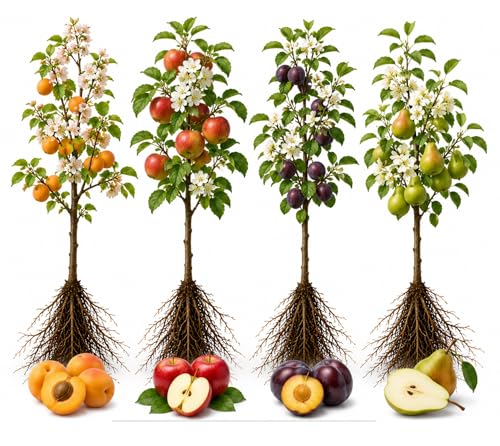
Brand: CZ Grain — Features: This bundle includes 2 apricot, 2 apple, 2 plum, and 2 pear trees. It’s designed for a complete backyard orchard with dormant bare root saplings ready for spring or fall planting. The mix supports fresh eating, baking, preserves, and homestead gardening.
Best for: Buyers who want a ready-to-plant multi-variety setup that provides quick entry into a home orchard without sourcing each tree separately. It suits beginners and experienced planters seeking variety in one shipment.
Why selected: The bundle’s breadth encourages cross-pollination among fruit trees and diversifies harvests, helping you establish a productive landscape faster.
Limitation: Some buyers may prefer single-species focus to simplify care or pollination planning. Consider pollinator compatibility for your local climate.
3 Pear Tree Saplings with Exposed Root System
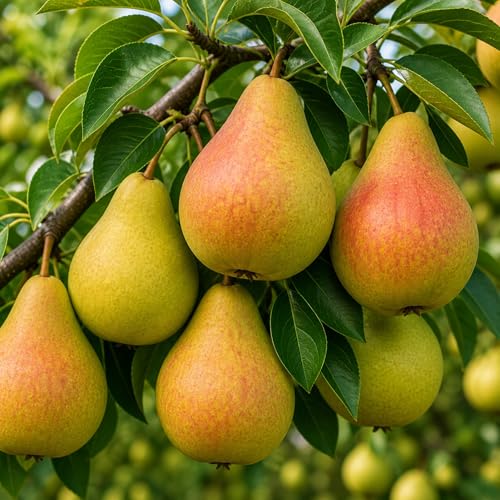
Brand: CZ Grain — Features: Three pear saplings with exposed root systems, shipped bare root and dormant. They are suitable for planting in spring or fall and are designed for reliable fruit production in compact spaces.
Best for: Gardeners with limited space who want a focused pear-producing setup or those who value quick root establishment for faster growth.
Why selected: The exposed root system can give a head start in rooting and establishment, which often translates to quicker fruiting compared with some container-grown alternatives.
Caution: Bare root status requires careful handling during transport and planting to avoid root damage.
Apricot, Apple, Plum & Pear Tree Bundle
Brand: CZ Grain — Features: A complete bundle with 2 apricot, 2 apple, 2 plum, and 2 pear trees. Dormant bare root saplings designed for spring or fall planting. Promises beautiful spring blossoms and a future harvest.
Best for: Buyers seeking a turnkey, multi-variety orchard with a dedicated pear option among other popular fruits, suitable for backyards or homesteads.
Why selected: The bundle creates a balanced orchard ecosystem, supporting pollination among related fruit trees and expanding harvest windows.
Limitation: Managing multiple species may require varied care routines and pruning schedules; ensure you’re prepared for species-specific needs.
Apple, Plum & Pear Trees (3-Pack)

Brand: CZ Grain — Features: A 3-pack including apple, plum, and pear trees with live, root-ready plants. Designed for diverse, easy-start backyard orchards with strong root systems.
Best for: New orchard builders who want to establish a trio of complementary fruits with straightforward care and transplant readiness.
Why selected: The trio supports staggered fruiting and cross-pollination benefits, easing initial harvest planning.
Limitation: Because it includes multiple species, timing of pruning and fertilization may require basic planning for each variety.
8-12” Korean Giant Asian Pear Tree

Brand: Generic — Features: Bare root, 8-12 inches tall, grafted, hardiness zones 4-8, dormant shipment, and strong potential for large, juicy pears. Cross-pollination with Bartlett is suggested for better yields and storage-friendly fruit.
Best for: Gardeners seeking a single, robust pear cultivar with high fruit size and storage capability, especially in colder climates.
Why selected: The Korean Giant pear is known for producing substantial fruit and tolerating a range of conditions, making it a standout option for space-conscious planters.
Limitation: As with many bare-root options, establishment success depends on proper planting depth and soil conditions; follow transplanting guidelines closely.
Buying Guide: Bare Root Pear Trees For Your Orchard
- Space and layout: Measure available space and consider mature tree width. Dwarf and semi-dwarf varieties fit smaller yards and containers, while standard trees suit larger plots.
- Root system type: Bare root trees require careful handling but establish quickly. Exposed roots often establish faster; ensure intact root integrity during planting.
- Pollination needs: Pears often require cross-pollination for best yields. Plant compatible pollinators nearby or choose multi-variety bundles that include compatible partners.
- Hardiness and climate: Check zones. Pears thrive in temperate climates with adequate chill hours. In colder zones, select varieties known for winter hardiness.
- Soil and planting: Prepare well-draining soil, dig wide planting holes, and place roots carefully to avoid girdling. Water deeply after planting and mulch to conserve moisture.
- Care and maintenance: Pruning, fertilization, and pest management shape tree health. Use a balanced fertilizer and monitor growth in the first growing season.
- Product variety: For a balanced harvest, pair pear trees with complementary fruit types (apple, plum, or apricot) to support cross-pollination and staggered yields.
Frequently Asked Questions
- When should I plant bare root pear trees? Best results occur in early spring or late fall in most temperate climates, while trees are dormant.
- Do I need a pollinator with every pear tree? Many pear varieties require cross-pollination; plan to plant at least two compatible fruit trees for better yields.
- How should I water bare root trees after planting? Provide deep, infrequent waterings to encourage deep root growth. Keep soil evenly moist but not saturated.
- Can I plant multiple varieties in a small yard? Yes, using dwarf or semi-dwarf forms helps maximize space while maintaining productive diversity.
- How long before fruiting from bare root pear trees? Most pear trees begin producing fruit within 2–4 years after establishment, depending on variety and care.
- Are bare root trees better than potted trees? Bare root trees establish quickly with strong roots and often cost less, but they require careful handling during transplanting.