Best Calliandra Pink Powder Puff Tree Options for Home Gardens
Answering the question “which Calliandra pink powder puff tree should I choose?” this guide highlights five well-suited options for sunny patios, container gardens, and landscape beds. These selections appeal to small-space urban gardeners, butterfly and hummingbird enthusiasts, and bonsai lovers who want showy pink blooms with relatively easy care. Each pick is explained with who it’s best for, why it stands out, and a practical note to consider before purchase.
| Product | Best For |
|---|---|
| Pink Powder Puff Rose Cascade | Small-space gardens and bonsai enthusiasts seeking a prolific bloom show |
| Rose Cascade Powder Puff Tree | Compact, year-round color for containers and tropical-themed beds |
| Dwarf Red Powder Puff | Colorful focal point for borders and easy-care shrubs for beginners |
| My Shelfie – Pink Powderpuff Tree | Starter plant for patio or balcony landscaping projects |
| Additional non-tree option | Compact powder puff family for decorative use |
Pink Powder Puff Rose Cascade – Calliandra surinamensis
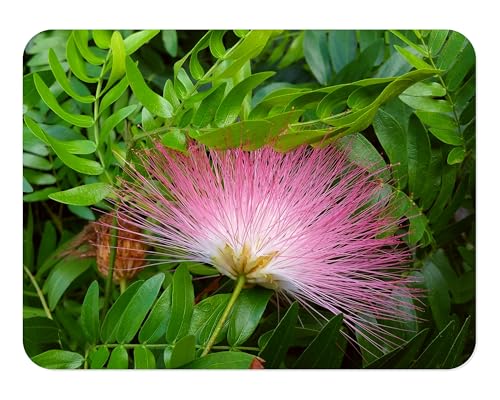
Best for: urban gardeners and bonsai enthusiasts who want a large, spreading tropical tree with a long bloom period. This plant offers a horizontal growth habit that fits well in tight yards or as a container specimen on a sunny balcony.
Why chosen: It produces prolific pastel pink puff-ball flowers that attract butterflies and hummingbirds, delivering a striking color display from spring to mid-fall. Its flexibility for pruning helps maintain a desirable shape for small spaces.
Notes: It requires consistent moisture and well-drained soil. Best in full sun to partial shade. Prune after flowering to preserve shape and feed annually in spring for best performance.
Rose Cascade Powder Puff Tree – Calliandra schultzi

Best for: compact garden beds or container plantings where year-round color and a whimsical bloom are desired. The dwarf form is easier to manage in patios and small yards.
Why chosen: This evergreen shrub features fine, feathery foliage and round powder-puff pink flowers that bloom nearly year-round, providing continuous color and a major boost for pollinators. Its compact size makes it versatile for multiple landscape styles.
Caution: It tolerates many soils but prefers well-drained conditions and regular watering during establishment. Pruning is optional but helps maintain an intended shape after blooms.
Dwarf Red Powder Puff – Calliandra haematocephala

Best for: color-forward landscapes and containers where bold red puff-ball flowers draw attention and attract pollinators.
Why chosen: A relatively fast-growing semi-tropical shrub with dramatic red blooms that persist through warm seasons. It presents a bushy, upright habit with slender branches and pinnate leaves, offering ornamental appeal in mixed borders or as a focal point.
Caution: It can grow to several feet tall if unpruned; regular pruning after flowering helps maintain a compact shape. Ensure fertile, well-draining soil and consistent moisture during establishment.
My Shelfie – Pink Powderpuff Tree (Calliandra haematocephala)

Best for: homeowners seeking a ready-to-transplant starter plant for a bright focal point in a yard or large container.
Why chosen: A Pink Powderpuff starter shrub measuring about 18 inches tall, with pink puffball blooms as the plant matures. Its compact initial size makes it easier to integrate into existing landscapes or patio gardens.
Caution: May require careful transplanting and establishment care in new soil. Watch for established plant moisture needs as it adapts to a new location.
Buying Guide: Key Considerations for Calliandra Pink Powder Puff Trees
- Light and location: Most Calliandra varieties prefer full sun to partial shade. Placement in a well-lit spot will encourage abundant bloom and healthy growth.
- Water and soil: Use fertile, well-drained soil. Maintain consistent moisture during establishment and bloom periods, then adapt to drought-tolerant behavior as plants mature.
- Size and pruning: Several varieties stay compact with pruning, while others can spread. Decide if you want a container specimen or a landscape shrub/base of a border, and prune after flowering to maintain shape.
- Bloom longevity: Pink puff-ball blossoms typically attract butterflies and hummingbirds and provide a long bloom window. Expect seasonal variation based on climate and care.
- Pollinator appeal: If supporting pollinators is a goal, these plants are generally excellent for attracting butterflies and hummingbirds with their bright, showy blooms.
- Container suitability: For patios and balconies, choose compact or dwarf forms. Ensure pots provide adequate drainage and proper root space for ongoing growth.
- Maintenance level: Most selections are described as low to moderate maintenance. Regular pruning after bloom helps maintain shape and encourage new flowering shoots.
Frequently Asked Questions
- Are Calliandra pink powder puff trees easy to grow indoors?
– They are best suited for outdoor use in warm climates or bright protected patios. Indoors, keep them in a sunlit space with ample airflow and careful moisture management. - Which variety is best for small containers?
– The dwarf and compact varieties are generally better suited to containers due to their smaller mature size and more manageable growth habit. - Do these plants require special soil?
– Use well-drained, fertile soil. They tolerate various soil types but perform best when soil drains well and remains evenly moist during establishment. - Do the flowers attract pollinators year-round?
– Bloom duration varies by cultivar and climate, but many Calliandra varieties provide extended color and attract butterflies and hummingbirds through warm seasons. - When should I prune Calliandra plants?
– Pruning after flowering helps maintain shape and remove spent blooms. For bonsai or shape control, light pruning can be done as growth occurs. - Are these plants drought-tolerant?
– Established plants can tolerate some drought, but regular watering during establishment and blooming periods supports better flowering and growth.