Best Compost Bins for Garden: Turn Kitchen Scraps Into Rich Soil Faster
Gardening thrives when waste becomes nourishment. A quality compost bin can turn kitchen scraps, yard clippings, and leaves into nutrient-rich soil for your plants. This guide reviews five top-rated tumbling or dual‑chamber bins that offer efficient aeration, easy turning, and durable construction. Each option is chosen for American gardens and weather conditions, helping you select a dependable system for year‑round composting.
Summary table of chosen products:
| Product | Brand | Capacity | Key Benefit |
|---|---|---|---|
| VIVOSUN Outdoor Tumbling Composter | VIVOSUN | 43 gallons | Dual chambers with 360° tumbling and deep fins for easier turning |
| Compost Tumbler Bin Composter Dual Chamber | Nazhura | 43 gallons | Fast aeration and accessible finished compost |
| JupiterForce Garden Compost Bin | JupiterForce | 80 gallons | Large capacity with good air circulation |
| GEOBIN Compost Bin | GEOBIN | 246 gallons | Expandable, maximum ventilation, USA-made |
| THEGROW’ING Updated 43 Gallon Bin | THE GROW’ING | 43 gallons | Fast assembly and dual-chamber continuous composting |
VIVOSUN Outdoor Tumbling Composter Dual Rotating Batch

The VIVOSUN model uses twin chambers to separate active and finishing material, enabling a steady stream of finished compost. Its 360° tumbling design reduces manual turning and helps mix materials evenly without digging into the pile. Air vents promote healthy oxygen flow, while the deep fins on eight panels assist in breaking clumps for faster decomposition. This bin suits medium-size gardens and frequent use, delivering reliable throughput with minimal effort.
Construction emphasizes durability and airflow. The polymer body withstands outdoor conditions, and the integrated vents prevent pressure buildup. Rotating the drum is simple, making it accessible for users who prefer a hands-off approach. For households generating steady kitchen and yard waste, this bin offers a balanced mix of capacity and operability.
Key considerations: ensure level placement on solid ground, monitor vent cleanliness for optimal airflow, and periodically inspect the hinge points and seals. Users typically see quicker results when combining green and brown materials with consistent moisture.
Compost Tumbler Bin Composter Dual Chamber 43 Gallon
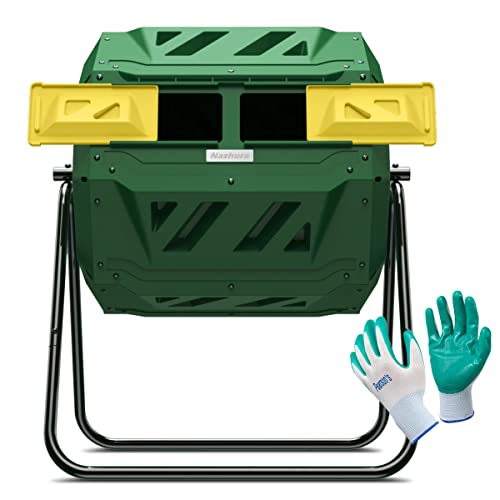
The Nazhura dual-chamber design promotes continuous composting: fill one side while the other matures. Rotating the tumbler introduces oxygen and helps homogenize the mix, enabling faster breakdown of organic matter. A sliding or easy-access door lets you retrieve finished compost without disrupting the ongoing cycle. This is a practical choice for homeowners who want efficiency without heavy manual turning.
The included bundled gardening gloves can help protect hands during loading and unloading. Materials emphasize durability and corrosion resistance, making the unit suitable for year-round use in varying climates. For best results, balance green and brown inputs, keep the pile moist but not soggy, and rotate on a regular schedule.
Practical notes: check the access door for smooth operation and confirm that the internal paddles or fins align properly after installation. The design aims to minimize manual labor while maintaining a steady flow of nutrients into your garden beds.
JupiterForce Garden Compost Bin 80 Gallon
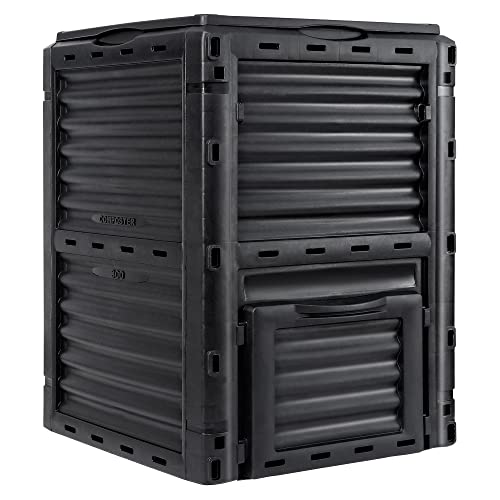
The JupiterForce bin offers a larger capacity suitable for bigger gardens or households with substantial yard waste. Its all-weather design and BPA-free materials emphasize durability and environmental safety. Four vents on each side support robust air circulation, accelerating the composting cycle when combined with strategic turning. Easy access through a side or top opening helps you add materials and retrieve finished compost with minimal effort.
Consider capacity versus space: a larger unit demands more outdoor space but reduces the frequency of emptying. The aeration design plus a rotating mechanism helps ensure a steady supply of oxygen, which is essential for rapid decomposition. Regular maintenance, such as clearing vents and inspecting seals, helps sustain performance across seasons.
GEOBIN Compost Bin – 246 Gallon
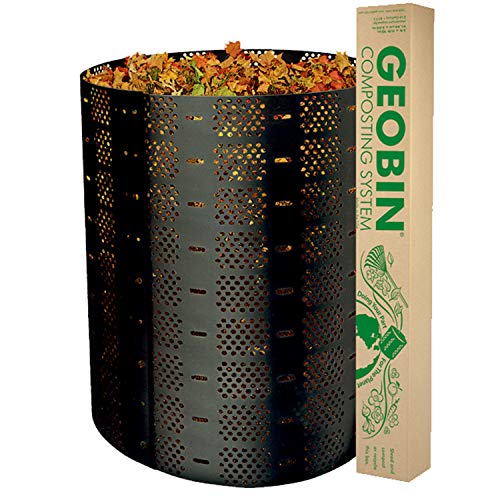
Geobin stands out for capacity and modular expansion. With a USA-made build and an expandable design, it can grow from a compact setup to a 246-gallon system. The emphasis on maximum ventilation supports rapid microbial activity, especially in humid climates. If you want a long-term solution that adapts to increasing waste, this bin offers significant value and resilience against weather exposure.
Assembly is straightforward, but the larger size requires a suitable anchoring plan to prevent tipping in high winds. The expandable feature makes it a solid option for growing gardens or landscapes that generate steady waste streams. Users should plan for a stable base and ensure adequate ventilation clearance around the unit.
THEGROW’ING Updated 43 Gallon Bin

The THEGROW’ING model focuses on speed and ease of setup. It features an internal nut design that shortens assembly time to under 10 minutes, making it accessible for beginners and busy gardeners. A dual-chamber configuration keeps one side active while the other fills, enabling continuous production of finished compost. The rotating mechanism and built-in vents promote aeration for efficient breakdown of materials.
As a compact option, it blends well with standard backyard layouts. Prospective buyers should consider space, the door opening mechanism, and how the internal design supports consistent mixing. Regular turning remains important for even decomposition and to prevent anaerobic pockets in the pile.
Buying Guide: Key Purchase Considerations And Comparisons
Capacity and space: Choose a bin that fits your garden footprint while meeting your weekly waste output. Larger models like the GEOBIN offer high throughput but require more space and a stable base. Smaller 43-gallon units suit average households well and are easier to relocate if needed.
Dual-chamber design: Dual chambers enable uninterrupted composting. If you produce significant green and brown waste, a two-chamber tumbler supports a continuous cycle without downtime between batches. Non-dual designs may require more manual handling to keep the cycle moving.
Turning mechanism: Tumbling or turning features reduce manual labor and improve aeration. Look for smooth rotation, sturdy hinges, and even weight distribution to prevent jams or off-balance tipping. A well-designed tumbler reduces the effort needed to mix materials.
Aeration and ventilation: Adequate airflow speeds decomposition. Units with vents and deep internal fins promote oxygen exchange and break up clumps. Check for vent cleanliness and ensure vents won’t clog with debris during composting cycles.
Materials and durability: BPA-free plastics and weather-resistant frames extend the life of a bin in sun, rain, and cold. If your area experiences strong winds, verify the stability of the base and consider anchoring options or heavier materials.
Ease of loading and unloading: Sliding doors or easy-access entries simplify the process of adding materials and retrieving finished compost. A convenient design reduces user effort and encourages consistent adding and turning routines.
Assembly and maintenance: Quick assembly saves time, especially for new composters. Consider models with clear instructions and sturdy connections. Regular maintenance—cleaning vents, inspecting seals, and greasing or tightening moving parts—helps sustain performance over years.
Environmental impact and costs: Recycled-content plastics and USA-made components may appeal to buyers prioritizing sustainability. While price varies, durable bins with good warranties typically deliver long-term value by reducing the need for replacement.
Climate suitability: All-season use depends on materials and sealing. In freeze-thaw climates, ensure the bin remains robust and moisture levels stay balanced to prevent material clumping or rodent access. Choose a design that tolerates local weather patterns.