Best Indoor Potting Soil for Houseplants
Choosing the right indoor potting soil can dramatically improve water management, root health, and overall vitality for houseplants. This guide focuses on five widely available blends that suit a range of plant types—from tropical favorites to succulents and flowering varieties. Each option emphasizes different strengths, such as moisture retention, organic ingredients, or reduced pest issues. Read on for a quick product summary, followed by in-depth profiles and practical buying tips to help you pick the best soil for your containers and plant collection.
| Product | Brand | Size | Notable Feature |
|---|---|---|---|
| Miracle-Gro Indoor Potting Mix 2-Pack | Miracle-Gro | 6 qt x 2 | Feeds up to 6 months; versatile for many houseplants |
| Back to the Roots Organic Indoor Potting Mix | Back to the Roots | 6 qt | Peat-free; root-boosting mycorrhizae; moisture-retaining |
| Miracle-Gro Houseplant Potting Mix | Miracle-Gro | 4 qt | Less prone to gnats; balanced blend for indoor plants |
| Miracle-Gro Organic Indoor Potting Mix | Miracle-Gro | 8 qt | OMRI Listed; protects against over/under watering |
| Rosy Soil Indoor Potting Mix | Rosy Soil | 4 qt | Peat-free; biochar for robust roots |
Miracle-Gro Indoor Potting Mix 2-Pack
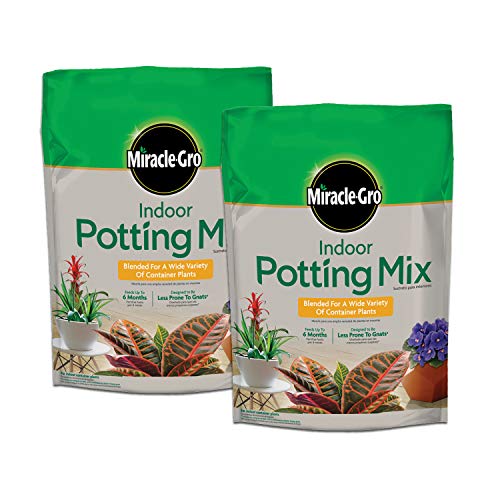
Miracle-Gro’s Indoor Potting Mix is a versatile, general-purpose blend designed for a wide array of indoor container plants. The 6 qt bags are sold as a 2-pack, offering enough mix to fill several 6-inch pots. The product claims to feed plants for up to six months, reducing the need for frequent fertilization. To use, start by filling the pot one-third with soil, position the plant, and add more mix to cover the root ball. The blend targets a balance of moisture retention and drainage, helping both leafy greens and flowering varieties thrive in indoor spaces.
Key advantages include its ready-to-use nature and broad compatibility. While it supports many plant types, users should monitor watering closely—indoor environments can vary in humidity, and overwatering remains a common issue. The included nutrients support initial growth without immediate fertilization, which can simplify care for beginners. For more established collections or those experimenting with new plant types, this mix provides dependable, all-around performance with minimal guesswork.
Back to the Roots Organic Indoor Potting Mix

Back to the Roots’ 100% organic indoor potting mix emphasizes environmental responsibility with peat-free formulation. It includes organic yucca extract to aid moisture retention and features ROOT-BOOSTING MYCORRHIZAE, providing a natural boost to root development and nutrient uptake. This blend is designed with sustainability in mind, offering an option that reduces greenhouse gas emissions and environmental impact. The 6-quart bag size is suitable for mid-sized collections or starter setups. It’s particularly appealing to gardeners seeking an organic alternative that promotes healthy roots while supporting responsible sourcing.
For plant health, the mix aims to deliver balanced moisture without frequent watering. Root-friendly microorganisms work alongside the plant to contribute to a living soil environment that supports ongoing growth. Because it’s organic and peat-free, it’s a good choice for growers prioritizing sustainability and avoiding synthetic additives in their indoor setups. As with any soil, drainage and pot size play a critical role in performance, so pairing with well-draining containers will maximize results.
Miracle-Gro Houseplant Potting Mix

Miracle-Gro Houseplant Potting Mix is designed specifically for indoor plants and contains perlite, sphagnum, and peat moss to support a well-balanced soil structure. It’s marketed as being less prone to gnats, a common issue in homes with houseplants, thanks to its buffered blend that improves drainage and reduces dense, reaction-prone substrates. The mix supports popular indoor varieties such as Pothos, Spider Plants, Monstera, Philodendron, and English Ivy, offering a reliable medium that helps encourage robust growth and vibrant foliage. The 4-quart bag makes it a practical choice for small collections or frequent repotting cycles.
This mix emphasizes nutrient availability while maintaining good aeration for roots. It’s particularly helpful in rooms with lower humidity where plant roots require accessible air spaces to prevent rot. For best results, water thoroughly and allow excess to drain; matching plant needs to the moisture level of the soil remains essential to avoid overwatering or underwatering in enclosed spaces.
Miracle-Gro Organic Indoor Potting Mix

Miracle-Gro Organic Indoor Potting Mix is OMRI Listed, indicating organic certification for certified growers. The blend is designed to protect indoor container plants from common watering pitfalls by balancing moisture retention with drainage. It combines responsibly sourced sphagnum peat moss, coir, and a quick-start natural fertilizer to support plant establishment. The mix is suitable for all indoor container plants, including herbs and starter plants, and can be used for seed starting as well. Its organic composition appeals to gardeners seeking a soil medium with fewer synthetic inputs and a focus on natural growth processes.
The product aims to prevent both overwatering and underwatering by offering a steady moisture profile. The presence of coir helps with water retention without becoming compact, while peat moss contributes to nutrient storage. When using this mix, monitor plant-specific water needs and adjust timers or irrigation schedules to maintain healthy root zones across different species and pot sizes.
Rosy Soil Indoor Potting Mix

Rosy Soil’s indoor potting mix emphasizes a roots-forward approach with biochar and pine bark fines to support robust root systems and balanced moisture retention. The peat-free formula is designed to foster living soil by hosting beneficial microorganisms, which can enhance nutrient uptake and overall plant health. It’s suitable for a wide range of houseplants, including foliage plants, flowers, ferns, herbs, and tropical varieties. The inclusion of biochar helps improve soil structure and sustainability, while the product remains a versatile option for growers seeking a peat-free, eco-conscious blend.
Use Rosy Soil as a general-purpose medium in well-draining containers. Fill pots, transfer plants carefully, and water thoroughly to establish a healthy moisture balance. The soil’s microbial-friendly design supports ongoing growth, but success still depends on appropriate container choice and consistent watering practices aligned with each species’ needs and environmental conditions.
Buying Guide
Plant Type and Drainage Needs
Different houseplants have distinct soil requirements. Tropical foliage plants, for example, often prefer moisture-retentive mixes with good aeration, while succulents favor faster-draining blends. Choose a soil that balances drainage and moisture retention for your collection. Consider peat-free options if you want a more sustainable choice or if you notice gnats in your pots, as some blends are formulated to reduce pest issues.
Peat-Based vs Peat-Free
Peat-based soils tend to hold moisture longer but may have environmental concerns. Peat-free mixes often rely on alternatives like coco coir and pine bark fines, which can provide good drainage and aeration. If you grow water-sensitive species or live in a humid environment, a peat-free option might help prevent root rot, while others may benefit from the water-holding capacity of peat-based blends.
Fertilization and Nutrient Management
Some potting soils include pre-fertilizers or slow-release nutrients, which can support new plantings during establishment. If you are sensitive to fertilizer salts or prefer to control feeding, choose a blend labeled as not pre-fertilized or one that allows you to tailor nutrition with a separate fertilizer schedule. Organic blends often rely on natural nutrients, while synthetic options provide rapid availability for quick growth spurts.
Moisture Retention and Rewetting
Indoor environments vary in humidity, so a soil’s ability to retain and release moisture matters. Soils with coconut coir or peat tend to hold water longer, which can reduce watering frequency. However, overly moisture-retentive mixes may lead to root rot in poorly drained pots. Look for blends that advertise rewetting ease or include lightweight additives like perlite or pumice to maintain airflow and drainage.
Sustainability and Certifications
Choosing peat-free and OMRI-listed products can align with sustainable gardening practices and organic growing goals. Certifications help assure you about the product’s compliance with certain standards. If sustainability is a priority, examine ingredient lists for responsibly sourced peat alternatives and check for certifications that support your growing philosophy.
Size, Availability, and Price Considerations
Size matters for ongoing plant care. Larger bags reduce per-gallon costs and are convenient for multi-plant setups, while smaller bags are ideal for trialing new blends or occasional repotting. Availability and price can influence your choice, but focus on long-term plant health and whether the soil’s features match your plant types and container systems.
By evaluating plant types, container choices, and your gardening goals, you can select a soil that promotes healthy roots, balanced moisture, and vibrant growth across your indoor garden. The five options featured here cover a range of needs—from general-purpose, nutrient-rich blends to peat-free and organically certified soils—so you can tailor your soil choice to each plant’s specific requirements and your sustainability preferences.