Best Self Pollinating Dwarf Pear Tree Options for a Small Orchard
If you’re aiming to grow fresh pears in a small yard or balcony, self-pollinating or semi-self-pollinating pear trees are practical choices. This guide highlights five pear-focused options that suit urban and suburban spaces, with clear reasons for who they’re best for and potential limitations to consider. Each selection emphasizes compact size, root health, and reliable fruiting potential to help you maximize harvests in limited space.
| Product | Size / Type | Best For | Why It Stands Out |
|---|---|---|---|
| 3-Pak Dwarf Fruit Trees (Apple, Plum & Pear) – CZ Grain | 3-pack; dwarf varieties | Beginners; small backyard orchards | Includes a pear tree alongside apple and plum, offering diversity and a compact starting orchard. |
| Bartlett Pear Trees – American Plant Exchange | 3-4 ft; 5 gallon; semi-self-pollinating | Containers or small landscapes | Ready-to-establish pear tree with edible fruit and simple care; semi-self-pollinating for easier fruiting. |
| Shinseiki Pear Tree – Asian Pear | 1-2 ft; 1 gal; note shipping restrictions | Space-constrained sites; patient gardeners | Early Asian pear variety; compact start, but restricted shipping to certain states. |
| 3 Pear Tree Saplings – CZ Grain | Live saplings; exposed root system | Improved establishment; varied spaces | Strong root systems aid transplant success; versatile for small spaces. |
| Orient Pear Trees – American Plant Exchange | 5 gallon; 3-4 ft; semi-self-pollinating | Ornamental and edible landscape | Beautiful white flowers with practical fruiting; good for larger patio or yard edges. |
3-Pak Dwarf Fruit Trees – CZ Grain

Includes live apple, plum, and pear trees designed for a compact backyard orchard. Best for beginners seeking a quick-start mix of fruit options. The trees arrive with healthy root systems for easier establishment. A note: you may need to manage pollination timing with other trees in your yard for optimal fruit set.
Bartlett Pear Trees – American Plant Exchange

These semi-self-pollinating Bartlett pears come in a 5-gallon pot, standing 3-4 feet tall. Best for homeowners who want a ready-to-go landscape feature that also yields fresh pears. The tree offers culinary versatility from fresh eating to canning. A limitation: semi-self-pollinating means cross-pollination can improve yield with a compatible pear variety nearby.
Shinseiki Pear Tree – Asian Pear

Shinseiki is an Asian pear variety with compact growth. Best for gardeners who want a unique fruiting option in smaller spaces. However, shipping restrictions apply to several states, so verify eligibility before ordering. The tree thrives in zones 5-9 with full sun for best fruit production.
3 Pear Tree Saplings – CZ Grain
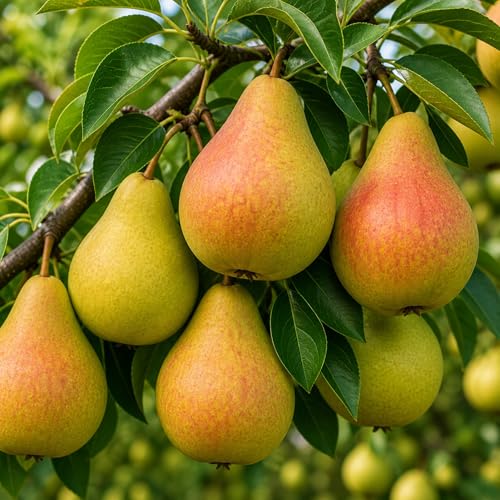
These live pear saplings include an exposed root system to support rapid establishment after planting. Best for gardeners who want fast fruit potential and flexibility for containers or ground planting. Caution: bare-root shipment means plant promptly to protect roots from drying out.
Orient Pear Trees – American Plant Exchange
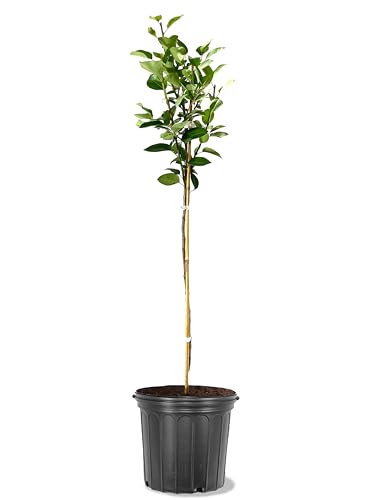
Orient Pear Trees offer a blend of ornamental white flowers and edible fruit in a larger landscape setting. Best for gardeners seeking a semi-self-pollinating tree that doubles as a visual focal point. Limitation: size and care needs may be higher than ultra-compact options.
Buying Guide: Key Pear Tree Purchase Considerations
- Pollination needs: Self-pollinating vs semi-self-pollinating vs cross-pollination. If you have limited space, choosing semi-self-pollinating varieties can be practical, but planting a second compatible pear near by can improve yields.
- Space and container suitability: Dwarf and compact varieties are ideal for patios and small yards. Consider root systems and whether the tree ships as bare-root or potted.
- Climate compatibility: Verify USDA hardiness zones (e.g., zones 5–9) and sun requirements. Asian pears like Shinseiki may tolerate different conditions than European pears like Bartlett.
- Soil and watering: Most pear trees prefer well-drained soil and regular watering during the growing season. Ensure irrigation supports steady fruit development.
- Maintenance needs: Some trees require pruning to maintain shape and fruit production. Consider long-term care when choosing a tree for a beginner.
- Shipping and availability: Some varieties have regional shipping limitations. Always confirm eligibility for your address before purchase.
Frequently Asked Questions
- What tree is best for a small yard?
Compact or dwarf pear trees like the 3-Pak Dwarf Fruit Trees or 3 Pear Tree Saplings are ideal for limited spaces and easier maintenance.
- Do I need multiple pear trees for fruiting?
Semi-self-pollinating trees can fruit with some pollination help, but having a second compatible pear nearby often improves yields.
- Can I plant pear trees in containers?
Yes, dwarf or semi-dwarf varieties can be container-grown with proper soil, drainage, and regular feeding. Ensure the container is large enough for root growth.
- Are Asian pears different to grow than European pears?
Asian pears often tolerate different climates and may have different growth habits. They can be a good option for variety in small spaces if sunlight and soil are suitable.
- What maintenance is required after planting?
Regular watering, pruning to maintain shape, and occasional fertilization are common. Monitor for signs of transplant stress in the first season.
- Are there shipping restrictions for any pear varieties?
Yes. Some varieties cannot be shipped to certain states due to agricultural laws. Always check eligibility before ordering.