Best Fast-Growing Evergreen Trees for Zone 7 Landscaping
Answering the buyer’s search: Zone 7 homes can host sturdy, fast-growing evergreens that provide year-round privacy, wind protection, and visual appeal. This guide highlights five well-suited options, explains who each is best for, and notes practical considerations. Ideal buyers include homeowners seeking quick privacy screens, those planting windbreaks, or gardeners needing reliable year-round greenery without high maintenance. Below is a quick-reference table of the selected products followed by detailed sections.
| Product | Best For | Why It Stands Out |
|---|---|---|
| Norway Spruce Tree Seedling Plugs (5-Pack) | Quick privacy screen & windbreak | Dense foliage, strong root plugs, year-round color |
| Perfect Plants Full Speed A Hedge Arborvitae (1 Gallon) | Fast-growing privacy hedge | Narrow profile, rapid growth, low maintenance |
| Ponderosa Pine Seedlings (1-2 ft) | Landscape focal tree with fragrance | Sturdy trunk, low upkeep, pleasant aroma |
| Blue Ice Arizona Cypress (7 Gallon) | Windbreak with silvery blue foliage | Fast-growing, drought-tolerant, distinctive color |
| Colorado Blue Spruce Saplings (2 Trees) | Structured evergreen accents & privacy | Stunning blue needles, hardy in Zone 7 |
Each product is chosen for terrain resilience in Zone 7, ease of planting, and proven growth characteristics. Read on for specifics, including best-use cases, cautions, and why you might choose one over another.
Norway Spruce Tree Seedling Plugs — 5-Pack

Best For: Quick privacy screens and wind protection. These plugs arrive as 6–12” plugs with strong root systems, enabling rapid establishment in landscapes. Norway spruces stay green year-round, making them an attractive evergreen choice for Zone 7 homes seeking reliable color through all seasons.
Why Selected: Dense foliage and vigorous early growth contribute to a faster screen than many other evergreens. The root-friendly plugs facilitate quicker planting compared with larger container stock.
Limitations: Transplant shock can occur with bare-root-like plugs if planted in extreme heat; ensure adequate watering during establishment. Best results come from consistent moisture and mulching during the first growing season.
Perfect Plants Full Speed A Hedge Arborvitae — 1 Gallon

Best For: Narrow-plot privacy hedges and tight spaces. This arborvitae is designed for zones 3–8, delivering fast growth and a narrow profile that fits along fences or sidewalks without overwhelming space.
Why Selected: The combination of rapid vertical growth and a slim silhouette makes it ideal for homeowners who want quick, initial privacy with a footprint that respects limited space. It’s particularly suitable for urban landscapes or side-yard screens.
Limitations: Requires regular trimming to maintain width and shape; in exposed sites, wind exposure can influence growth direction. Choose protected planting spots or provide windbreaks if necessary.
Ponderosa Pine Seedlings — 1-2 ft

Best For: Landscape focal points and fragrance-rich spaces. These 1–2 ft pine seedlings bring a classic pine scent to outdoor spaces and develop into a sturdy evergreen presence with proper care.
Why Selected: A balance of growth speed and structural stability is valuable for homeowners who want a noticeable evergreen feature within a couple of seasons. The pine’s natural resilience suits varied Pacific Northwest-like conditions where Zone 7 is common.
Limitations: Ponderosas may require more spacing due to eventual size; ensure there is room for expansion and air circulation to minimize disease risk. Regular watering and monitoring during dry spells support establishment.
Blue Ice Arizona Cypress — 7 Gallon
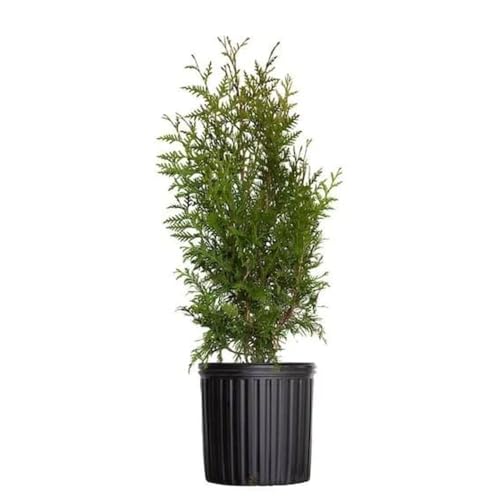
Best For: Windbreaks, drought tolerance, and visually striking color. The silvery blue foliage makes this cypress a standout accent, especially in zones with hot, dry summers.
Why Selected: Arizona Cypress grows rapidly and adapts to drought conditions, making it a practical choice for Zone 7 landscapes that experience seasonal dryness or windy sites. It provides year-round evergreen cover with a distinctive hue.
Limitations: Needs full sun and well-drained soil; excessive moisture or poor drainage can lead to root issues. Consider soil preparation in boggy or low-lying areas.
Colorado Blue Spruce Saplings — 2 Trees

Best For: Structured evergreen accents and privacy in Zone 7; the blue needles provide a cool-toned focal point in mixed borders or windbreaks.
Why Selected: The Colorado Blue Spruce is a time-tested evergreen with strong form and high resilience in cold-hardy settings. Two saplings offer a quick start toward a defined, mature visual line or privacy screen.
Limitations: Growth can be slower in very hot, dry periods; ensure consistent watering during establishment and provide mulching to conserve moisture.
Buying Guide
What to consider when choosing fast-growing evergreens for Zone 7:
- Sun and soil: Check sun exposure (full sun vs. part shade) and soil drainage. Some varieties tolerate drought better, while others prefer evenly moist soil.
- Growth rate versus mature size: Fast growth is appealing, but plan for eventual size to avoid crowding and root conflicts.
- Space and layout: Narrow-profile evergreens suit tight spaces; wider screens need more room and spacing.
- Maintenance: Consider pruning needs, pest resistance, and general care requirements to balance beauty with upkeep.
- Hardiness: Zone 7 is broad; confirm each plant’s tolerance to local winter temps and wind patterns.
- Color and texture: Mix blue, green, and silver foliage to create year-round interest and visual depth.
FAQ
- What is the fastest evergreen for Zone 7 privacy? Generally, evergreen hedges like arborvitae or Norway spruce varieties offer rapid screening, especially when planted in groups.
- Are blue-tinted spruces suitable for windy sites? Yes, many blue spruces handle wind well but may require windbreak protection during establishment.
- Can I plant these trees in containers? Seedlings and small plugs can be placed in larger containers temporarily, but long-term growth requires ground planting for best stability.
- How often should I water after planting? Water consistently during the first growing season, then adjust based on rainfall and soil moisture.
- Do these trees require fertilizer? Generally, a balanced, slow-release fertilizer in early spring supports healthy growth, but follow local recommendations.
- Will these plants attract pests? Most evergreen selections are resilient, but monitor for common issues in Zone 7 and address problems early.