Best Food for Japanese Maple: Top Fertilizers and Care Options
Japanese maples respond best to steady, balanced feeding that supports root health, vibrant foliage, and graceful growth. This guide highlights five Amazon offerings designed to feed Japanese maples effectively, plus accessories that help you enjoy the tree’s beauty in a garden or on a desk. We compare liquid and granular formulas, note pH considerations, and outline when to apply fertilizer for spring, summer, or fall. A quick summary table at the top shows the chosen products and their primary benefits to help you decide quickly. Always follow label directions and consider your local climate and soil conditions when choosing a product.
| Product | Brand | Key Benefit |
|---|---|---|
| FoxFarm Happy Frog Japanese Maple Fertilizer | FoxFarm | Balanced NPK with low-pH compatibility |
| Japanese Maple Fertilizer (Liquid) | TPS NUTRIENTS | Complete liquid plant food for all maple varietals |
| TreeHelp Premium Fertilizer | TreeHelp | Root-focused growth and long-term vitality |
| Silicone Maple Leaf Molds | TYH Supplies | Creative decor and edible toppers for maple-themed displays |
| Maple Leaf Resin Specimen | HQRP-Crystal | Display-grade leaf resin specimen for science and art |
Best FoxFarm Happy Frog Maple Fertilizer

FoxFarm Happy Frog Japanese Maple Fertilizer is a nutrient-rich formula designed to support maple growth with balanced phosphorus and potassium. It is specifically formulated for Japanese maples and other low pH feeders and evergreens, making it suitable for a range of ornamental plants beyond maples. The blend is designed to support healthy root systems and vigorous top growth while accommodating nearby low-pH species such as lilies and hydrangeas.
- NPK 4-3-4 (4 lb)
- Phosphorus and potassium emphasis to support maple needs
- Formulated for Japanese maples and other low pH feeders
- Also suitable for evergreens and related ornamentals
Apply per label directions, matching the growth stage of the tree. The product’s formulation supports both new and established roots, helping maples develop stronger structure and improved foliage color where soil pH is low. It’s a practical option for gardeners seeking a dedicated maple feeder with broad compatibility.
Best TPS Nutrients Japanese Maple Fertilizer

TPS NUTRIENTS Japanese Maple Fertilizer is a complete liquid plant food designed for all Japanese maple varietals. The product aims to foster thriving maples by supporting vibrant foliage and strong branch growth, while aiding successful transplanting and establishment in new soil. The liquid format makes it convenient to apply through irrigation systems or foliar feeding, depending on the label instructions and your garden setup.
- Complete fertilizer for thriving Japanese maples
- Enhances foliage color and branch growth
- Helps transplanting success
Liquid feed options like this can be helpful during the growing season, offering quick nutrient uptake. Use as directed for best results, and consider pairing with a soil amendment strategy if your pH or soil structure requires adjustments for optimal maple growth.
Best TreeHelp Japanese Maple Fertilizer
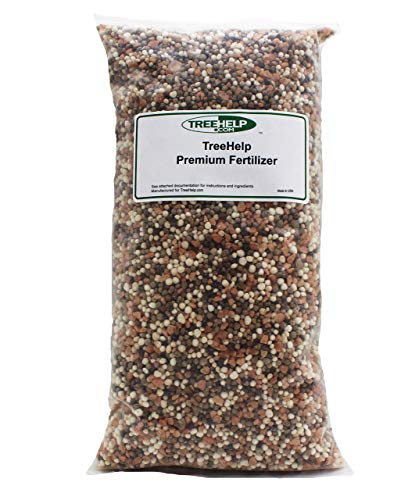
TreeHelp Premium Fertilizer for Japanese Maple is specially formulated for use on Japanese Maple trees and promotes long-term vitality through robust root development. A key caveat is noted: not available for sale in WA, USA. The 1.5 kg package provides a substantial amount of product for larger trees or multi-tree plantings, making it a practical option for dedicated maple care in suitable markets.
- Specially formulated for Japanese maples
- Promotes long-term vitality through root development
- Not available for sale in WA, USA
Consider regional availability when selecting this option. If you live in a jurisdiction where it is sold, TreeHelp offers a targeted maple feeding solution focused on root health and sustained growth, which can complement a broader feeding plan that includes micronutrients and soil pH management.
Best Silicone Maple Leaf Molds

TYH Supplies provides a practical 2-pack of premium silicone maple leaf molds. While not a fertilizer product, these molds support maple-themed decorating projects, edible toppers, and crafts that complement a maple maintenance routine. The molds are flexible, non-stick, and free of chemical coatings, with broad temperature tolerance suitable for ovens and freezers alike. They are FDA standard and BPA-free, aligning with safe handling for food and crafts.
- Package of 2 premium silicone molds
- FDA standard and BPA free
- Temperature tolerance: -40 to 445F (0-230C)
- Oven, dishwasher, microwave, and freezer safe
These molds are most useful for gardeners who enjoy maple-themed desserts or crafts alongside plant care. They offer a creative way to celebrate maple foliage during seasonal gatherings or horticultural events.
Best Maple Leaf Resin Specimen

Large 2.9″ Real Red Japanese Maple Leaf in Crystal Clear Lucite Resin Paperweight is a display-quality specimen designed for science education and desk ornamentation. The piece measures about 74mm square and 10mm thick, weighing around 61g. Each leaf is embedded in clear resin, creating a durable and decorative item. Note that natural leaf variation means individual specimens will differ, and small manufacturing imperfections may occur.
- Real red maple leaf embedded in resin
- Transparent resin frame for observation and display
- Size: approximately 74mm x 74mm x 10mm; weight around 61g
This specimen offers a decorative and educational option for maple enthusiasts, bridging botany and craft. It pairs well with a maple-themed study area or as a unique gift for plant lovers without requiring any maintenance.
Buying Guide
When choosing the best food for a Japanese maple, consider how your tree is established, your soil chemistry, and your climate. Here are key purchase considerations from multiple perspectives:
- Fertilizer type: Liquid formulas (quick uptake) versus granular or slow-release options (longer-term feeding). Liquid feeds can be convenient for regular schedule adjustments, while granular products may reduce the frequency of applications.
- Nutrient balance: Look for products that emphasize phosphorus and potassium for root and shoot development, with a balanced N-P-K ratio suited to maples. An NPK around 4-3-4 is common in maple-focused blends, but follow label guidance for your tree size and soil.
- Soil pH considerations: Japanese maples commonly prefer slightly acidic to neutral soil. Choose products labeled for low-pH feeders if your soil test indicates acidity or clay soils that retain lower pH values, and monitor foliage for color changes.
- Application timing: Early spring feeding supports new growth, with possible additional applications in early summer for established trees. Avoid heavy fertilization late in the growing season to prevent tender growth from winter injury.
- Tree size and age: Young trees require gentler, smaller doses, while established maples may benefit from higher totals or longer-acting blends. Always start with the recommended amount on the label.
- Local regulations and availability: Some products may have restricted availability in certain states. Check local listings and ensure you comply with applicable regulations and shipping rules.
- Supplemental care: Fertilizers work best when paired with proper watering, mulching to maintain soil moisture, and a soil amendment plan that addresses drainage and root health. For pH-sensitive maples, consider lime or sulfur adjustments only under soil test guidance.
- Decorative and craft items: If you’re decorating or teaching about maples, resin specimens or molds can complement gardening efforts but do not substitute for plant nutrition. Use decorative items to enhance engagement and observation without affecting tree health.
In summary, selecting the right maple fertilizer involves aligning product formulation with your tree’s needs, your soil conditions, and your preferred application schedule. For gardeners new to Japanese maples, a user-friendly liquid option paired with periodic soil checks often provides dependable results. For those managing multiple trees or larger landscapes, a granular or slow-release formula paired with seasonal adjustments can offer sustained nourishment. Finally, decorative accessories can enrich appreciation and learning about Japanese maples without influencing growth directly.