Best Hedge Trees for Privacy: Fast-Growing Screens for Your Yard
Creating privacy in your yard doesn’t have to be a long wait. The right hedge trees can deliver dense coverage quickly, with year‑round foliage and low maintenance. This guide spotlights five top options that perform well across American climates, from fast‑spreading willows to sturdy evergreen arborvitae. Each selection is evaluated for growth rate, mature size, site needs, and care requirements to help you choose the best fit for a front yard, backyard, or driveway screen. Use the quick comparison table below to compare core benefits at a glance.
| Product | Brand | Key Benefit |
|---|---|---|
| Hybrid Willow Privacy Hedge | CZ Grain | Extremely fast growth for rapid screening |
| Leyland Cypress Privacy Hedge Plants | Florida Foliage | Dense evergreen fencing with year‑round coverage |
| Thuja Green Giant Privacy Hedge | Florida Foliage | Fast, tall privacy screen with adaptable landscaping uses |
| Thuja Green Giant Arborvitae Hedge | Generic | Multiple plants in pots for scalable hedging |
| Emerald Green Arborvitae Privacy Hedge | PERFECT PLANTS | Cold‑hardy, compact to tall columnar hedge |
Hybrid Willow Privacy Hedge: Fast Growth

Hybrid Willow, also known as Aussie Willow, is renowned for rapid expansion, making it a standout for instant privacy. The cuttings are described as reaching six feet in the first year and about ten feet annually thereafter, creating a substantial visual barrier quickly. This fast growth makes it ideal for screening nosey neighbors, blocking street noise, or simply establishing a green wall in a new landscape. Planting guidance recommends spacing three feet apart in rows, with a second, staggered row to accelerate coverage. The cuttings arrive at about nine inches and root readily in water, enabling easy early growth.
Care and adaptability are part of its appeal. Once established, the Aussie Willow tolerates a range of soil types and sun exposures, provided watering is adequate during root establishment. For best results, maintain consistent moisture while the plants acclimate to their new environment. Because of its rapid growth, this option will require regular pruning to shape and manage size, especially in smaller yards. While it offers impressive speed, plan for eventual space needs as the hedge matures.
In practical terms, Hybrid Willow provides a straightforward path to a private outdoor space. It’s particularly appealing for property lines or front yards where the quick visual barrier matters most. Homeowners should be aware that the plant has a vigorous growth habit and may require attention to maintain a neat appearance. With proper spacing and ongoing care, it can become a substantial privacy hedge within a single growing season and continue to thicken in subsequent years.
Leyland Cypress Privacy Hedge Plants
Leyland Cypress is a classic choice for a robust, evergreen privacy screen. These trees form dense foliage that remains year‑round, delivering reliable coverage once established. This variety is well suited for property borders, windbreaks, and driveways, offering a practical balance of height, width, and visual impact. The product listing emphasizes rapid growth and full‑sun performance, alongside adaptability to different soil types. In landscape use, Leyland Cypress commonly provides a tall, uniform hedge that can be shaped over time. Regular irrigation during establishment supports quicker rooting and healthier long‑term growth.
Maintenance for Leyland Cypress is typically moderate. Once established, they require occasional pruning to maintain a desired shape and prevent overgrowth. They respond well to pruning and can be sheared to maintain a tidy, formal hedge or allowed to develop a more natural, columnar silhouette. Because they tolerate a range of soils and light conditions, they perform reliably in varied American climates. For best results, select a planting area with full sun and good drainage to minimize disease risk and to maximize growth potential over the hedge’s lifespan.
In terms of scale, Leyland Cypress can achieve substantial height and width, creating substantial screening as the hedge matures. This makes it a strong option for privacy, noise reduction, and even wind mitigation on larger properties. Careful spacing, typically several feet apart, helps ensure air flow and reduces susceptibility to common fungal issues. With consistent care, Leyland Cypress hedges provide dependable, long‑lasting privacy that complements many architectural styles.
Thuja Green Giant Privacy Hedge

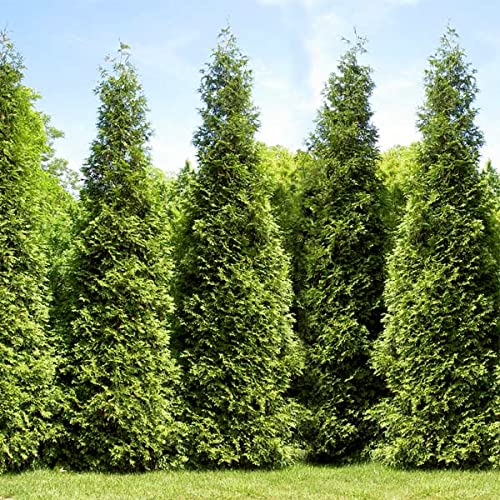
Thuja Green Giant is celebrated for its impressive height and dense growth, making it a superb choice for a fast, natural privacy screen. This evergreen species provides year‑round coverage and a lush, green backdrop that remains attractive in all seasons. The plant is described as versatile for hedges, windbreaks, garden accents, and yard borders, delivering a consistent, vibrant appearance with minimal maintenance. It tolerates full sun to partial shade and thrives in a variety of soil types. As it matures, the hedge forms a robust barrier that can reach significant height, offering both privacy and visual depth to landscape designs.
For ongoing care, Thuja Green Giant requires standard gardening practices: regular watering during establishment, occasional pruning to sustain shape, and routine mulching to preserve soil moisture. The plant’s hardiness and adaptability make it suitable for many U.S. regions, though local climate and soil conditions influence growth rate and ultimate size. With thoughtful placement and spacing, this hedge delivers a substantial privacy solution that can complement modern and traditional landscapes alike.
Overall, this option blends rapid growth with long‑term resilience. Homeowners seeking a dependable evergreen hedge with a strong vertical presence will appreciate its performance in both residential and commercial settings. The result is a durable privacy screen that suits front yards, driveways, and property lines while maintaining an aesthetically pleasing silhouette throughout the year.
Thuja Green Giant Arborvitae Hedge — Five Plants
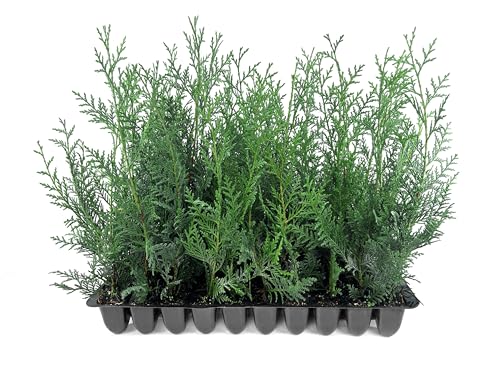
This product groups five Thuja Green Giant Arborvitae plants, each approximately 6–12 inches tall and shipped in 2.5‑inch pots. Marketed as a low‑maintenance option, it offers a convenient way to establish a privacy hedge with multiple roots ready to grow in your garden. The arborvitae has a natural pyramidal shape that contributes to a neat, ongoing privacy screen as the plants mature. For new plantings, consistent moisture during establishment is essential. Once established, these trees typically require less intensive pruning, though light shaping can help maintain a controlled, elegant hedge appearance year after year.
The five‑plant bundle supports scalable hedging, enabling homeowners to customize spacing and hedge density. Because arborvitae prefer full sun and well‑drained soil, select a site with ample light to maximize growth rate and hedge uniformity. This option is especially suitable for customers seeking a straightforward, gradual build of evergreen screening without a long lead time before noticeable results. Over several seasons, the row can evolve into a strong privacy barrier with a tidy, columnar aesthetic.
Emerald Green Arborvitae Privacy Hedge

The Emerald Green Arborvitae is celebrated as a premier, fast‑growing privacy tree suited for much of the United States. It’s cold hardy and thrives in zones 2–7, keeping its pristine green color through winter and summer. The mature form is upright and columnar, typically reaching up to about 14 feet in height and 4 feet in width, which makes it an efficient all‑natural privacy hedge for narrow spaces or tall screens along property lines. This selection offers a balanced combination of vertical presence and dense foliage, with a low‑maintenance profile that suits busy landscapes.
Care guidance emphasizes full sun to partial shade and adaptability to diverse soil types, with regular watering during establishment. Once established, the plant’s deep, robust root system supports resilience and reliable growth. For those prioritizing a hardy, evergreen privacy screen with a classic look, Emerald Green Arborvitae presents a solid, long‑term option that complements modern and traditional exteriors alike. With thoughtful spacing, it becomes a dependable barrier that adds year‑round privacy and curb appeal.
Buying Guide
Key purchase considerations
Climate and hardiness are primary factors. Choose species and cultivars suited to your USDA hardiness zone to ensure winter survival and vigorous spring growth. Arborvitae like Emerald Green perform well in zones 2–7, while Leyland Cypress prefers warm summers and good drainage.
Growth rate and mature size matter for long‑term planning. Fast growers deliver privacy quickly but may require regular pruning and more space. Slower growers save space but take longer to reach the desired height. Consider the final hedge height and width to avoid encroachment on sidewalks, driveways, or windows.
Maintenance and care
Most evergreen hedges benefit from consistent watering during establishment, mulch to preserve moisture, and periodic pruning to maintain shape. Species like Hybrid Willow grow rapidly and may need more frequent trimming to maintain a tidy appearance. Arborvitae generally require less pruning once established, though occasional shaping helps sustain a uniform hedge.
Soil quality and drainage influence health and growth. Well‑drained soils support denser, more uniform growth. In poorly drained areas, select varieties known for tolerance to moisture and consider raised beds or improved substrate to prevent root rot and disease.
Site and design considerations
Sun exposure is critical. Most evergreen hedges prefer full sun for optimal growth, though some tolerate partial shade. Taller hedges may block more wind and noise but require more space. Consider the nearby structures, irrigation access, and your climate’s rainfall pattern when planning irrigation and maintenance schedules. Horizontal visibility, street presence, and curb appeal should guide your hedge height and density goals.
Natural vs synthetic options
Natural hedges offer environmental benefits—habitat for wildlife, improved air quality, and seasonal color. They require ongoing care and may take several seasons to reach full density. Synthetic options, like artificial ivy fences, provide immediate privacy with minimal maintenance but lack the ecological and aesthetic dynamics of living screens. In some designs, homeowners combine both to achieve instant coverage while allowing natural hedges to mature over time.
Budgeting and long‑term value
Fast‑growing hedges can incur higher initial maintenance and spacing needs but often pay off with rapid privacy and landscape structure. For larger properties, planting in groups or rows speeds up coverage, but it’s important to plan for eventual spacing between plants as they mature. Evaluate long‑term costs, including irrigation, fertilization, and pruning, against the privacy benefits and curb appeal gains.