Best Large Decorative Rocks for Gardens: Transform Outdoor Spaces With Natural Stone
Answer: For striking, low-maintenance garden accents, choose large decorative rocks that suit your landscape style and drainage needs. This guide highlights five strong options to consider for pathways, rock gardens, water features, and plant beds. Each product is evaluated for durability, size, and suitability for different garden tasks. Ideal buyers include DIY landscapers, homeowners updating a rock garden, and those concealing utilities or enhancing outdoor decor with natural texture.
| Product | Size | Weight | Best For |
|---|---|---|---|
| FANTIAN 20 lbs Large River Rocks 3-4” | 3-4 inches | 20 lb | Walkways, garden borders, reptile habitats |
| FANTIAN 20 lbs Natural River Rocks 2-3” | 2-3 inches | 20 lb | Colorful ground cover, edging, decorative plant beds |
| NUPICK 6 lb Mexican Beach Pebbles 2-3” | 2-3 inches | 6 lb | Mud-free paths, pots, small planters |
| Virekm River Rocks—Decorative Pebbles | Various small to medium sizes | Varies | Vase filler, aquariums, garden beds |
| GASPRO 15-lb Natural River Rocks 1-1.75” | 1-1.75 inches | 15 lb | Indoor/outdoor decor, potted plants, crafts |
FANTIAN 20 lbs Large River Rocks

Best for: large outdoor accents in pathways, stepping stones, and feature beds. The 3-4 inch size offers a substantial footprint that’s less likely to be ingested by pets or wildlife. The stones are natural, unpolished, and non-toxic, with color variations that add a natural look. Suitable for dry gravel areas or wet, rainfall-drenched spaces that reveal color shifts.
Why selected: These rocks provide a durable, reusable option for permanent landscaping elements. They are heavy enough to stay in place and do not rely on dyes or fillers, helping maintain a natural aesthetic over time.
Caution: They are heavy and may require assistance for transport and placement. Color can vary between dry and wet states, which may influence perceived shade in different sections of the garden.
FANTIAN 20 lbs Natural River Rocks Mexican Beach Pebbles
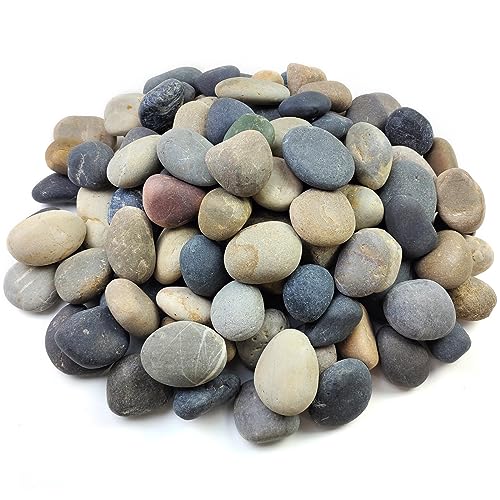
Best for: mixed-color decorative ground cover in garden beds, accents around planters, and creating natural-looking water features. The 2-3 inch size provides versatility for mid-sized garden projects. These rocks are clean, non-toxic, and reusable, with color that shifts with moisture for dynamic appearance.
Why selected: The range of color tones supports varied design palettes, helping to create focal points or soft transitional zones in borders and rock gardens.
Caution: The rocks are dense and heavy; plan for safe lifting and placement. Some batches may show color variation more than uniform color blocks, which is natural but noteworthy for cohesive design planning.
NUPICK 6 lb Mexican Beach Pebbles

Best for: large-scale landscaping projects needing mud-free pathways and durable rock features. The 2-3 inch stones are ideal for garden borders and plant drainage layers. They stay vibrant with use and are suitable for both indoor and outdoor settings.
Why selected: These rocks support both aesthetic appeal and functional benefits like improved drainage and weed suppression, making them a practical foundation for garden pathways and bed edges.
Caution: The weight per piece can be deceiving at a glance; heavier rocks require careful handling and placement planning to avoid soil compaction in delicate beds.
Virekm River Rocks
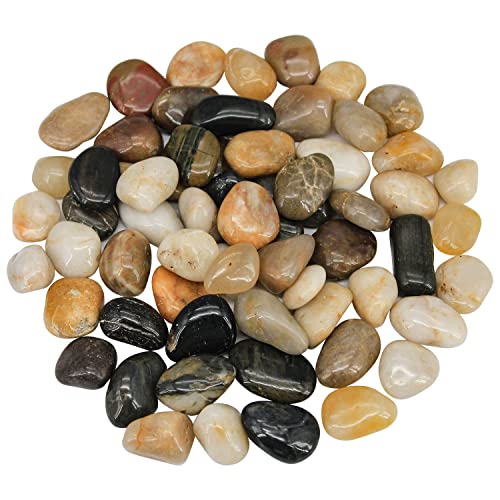
Best for: versatile decor and filler in flower beds, vases, fish tanks, and planters. The variety of natural colors and light texture makes these stones suitable for both robust outdoor installations and delicate indoor arrangements.
Why selected: The set offers universal compatibility with multiple settings, enabling cohesive styling across indoor and outdoor spaces without clashing palettes.
Caution: Some stones may be smaller than expected; confirm size if you need a uniform look for a specific installation area.
GASPRO 15-lb Natural River Rocks
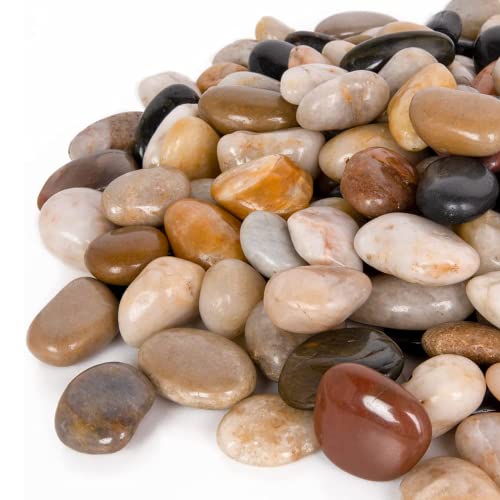
Best for: potted plants, indoor/outdoor decks, and decorative accents in containers. The 1-1.75 inch pebbles offer a polished sheen and bright color variety that enhances plant displays and craft projects.
Why selected: High-polish surface adds a refined shine to any containerized display or indoor terrarium, while still remaining practical for outdoor landscaping in smaller spaces.
Caution: Be mindful of smaller stones around small children or pets who might pick them up; avoid choking hazards by placing rocks out of reach for curious animals or kids.
Buying Guide
What size should you choose? For visible, durable paths, choose larger stones in the 2-4 inch range. For plant beds, borders, and decorative accents, 1-3 inch stones provide balance between coverage and ease of handling. Consider the space you’re filling and whether you want a natural, uniform, or varied color palette.
What material qualities matter? Natural river rocks are non-toxic, reusable, and resistant to fading. Avoid rocks with added dyes if you prefer a consistent natural look across the yard. Heavier stones offer staying power in windier areas and prevent shifting on slopes.
Are decorative rocks suitable for indoor use? Yes, many stones can enhance containers, terrariums, aquariums, and feature displays. Ensure the size and edges are appropriate to avoid scratches on surfaces and to prevent ingestion by children or pets.
How should you place rocks for best results? Use a landscape fabric or base layer to reduce weed growth and improve stability. In paths, maintain even spacing to encourage clean lines. In planters, place rocks to support drainage and prevent soil compaction.
FAQ
- What size rock is best for garden pathways? – Look for rocks in the 1.5-3 inch range for stable stepping paths with comfortable foot traffic.
- Do decorative rocks require sealing or treatment? – Generally not; natural stones are durable. Some decorative options may benefit from periodic cleaning to maintain color.
- Can rocks be used around irrigation or drainage features? – Yes; rocks can conceal irrigation components while allowing drainage and access.
- Are these rocks safe for reptile habitats? – Natural rock varieties can be suitable if cleaned and appropriately sized; avoid sharp edges and verify safety for specific species.
- Will color vary between dry and wet conditions? – Yes; moisture can alter the perceived hue, especially for natural stones.
- How do I transport heavy rocks safely? – Use a wheelbarrow, levers, or helper assistance for large volumes to prevent injury.