Best Moisture Sensors for Irrigation: Smart Tools to Save Water and Grow Healthier Plants
Answering the need for reliable, easy-to-interpret soil moisture monitoring, these moisture sensors help determine when to water outdoor gardens, indoor pots, or greenhouses. They’re best for homeowners seeking precise irrigation control, busy growers who want automation-ready setups, and gardeners aiming to reduce overwatering. The top picks vary from simple handheld meters to capacitive sensors and Wi‑Fi connected options, offering durability, depth sensing, and compatibility with smart hubs. Read on to compare five highly relevant choices and find the best match for your irrigation goals. A compact buying table follows to summarize core specs at a glance.
| Product | Best For | Connection | Notes |
|---|---|---|---|
| XLUX Long Probe Deep Use Soil Moisture Meter | Deep pots and garden beds | Analog dial | Instant readings; long probe; surface corrosion caution |
| ECOWITT WH51 Sensor (Accessory) | Wireless, multi‑sensor setups | GW1000/GW1100 gateway | Real‑time data, cloud options |
| THIRDREALITY Smart Soil Moisture Sensor Gen2 (3 Pack) | Zigbee ecosystems and hubs | Zigbee 3.0 | Stable readings; capacitive sensing |
| RAINPOINT Smart Soil Moisture Meter (HWG Hub needed) | Wi‑Fi based automatic irrigation | Wi‑Fi hub (HWG023/HWG040) | Remote monitoring; history graphs |
| Sustee Aquameter (Set of 5) | Small pots and succulents | Pen-style, leave-in | Refillable cores; continuous monitoring |
XLUX Long Probe Deep Use Soil Moisture Meter

Best for large pots and garden beds with deep soil. The XLUX meter uses an analog dial to indicate dry, moist, or wet soil with a 14 cm longer probe than standard models, enabling measurement near pot bottoms and deeper roots. The immediate reading helps you decide whether to water right away. Ideal for indoor plants in large containers, outdoor garden beds, and farming plots where depth measurement matters. A key limitation is the metal tip’s susceptibility to corrosion if left in soil for extended periods; limit exposure to under five minutes per use.
Who it’s best for: gardeners who need quick, straightforward, non‑digital readings and routinely work with deeper soil profiles. Why selected: deep probe improves accuracy in larger pots, and the large dial is easy to read at a glance.
ECOWITT WH51 Soil Moisture Sensor (Accessory Only)

This wireless sensor is designed to pair with Ecowitt gateways and consoles for real‑time, multi‑sensor monitoring. It’s suitable for serious irrigation setups where you want to track soil moisture across several zones, view live data via WS View Plus or Ecowitt App, and upload historical records to a weather server. Best for: homeowners and small farms needing scalable, networked moisture data. Caution: requires compatible gateway infrastructure to function fully; standalone use is limited.
THIRDREALITY Smart Soil Moisture Sensor Gen2 (3 Pack)
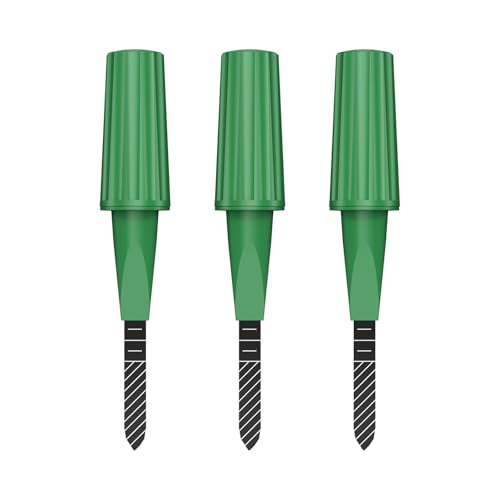
Best for Zigbee ecosystems and broader home automation. The Gen2 pack offers stronger wireless performance, capacitive sensing for durability across soil types, and broad compatibility with major hubs (Hubitat, SmartThings, Home Assistant, etc.). It’s well-suited for greenhouses, nurseries, and large plantings where consistent moisture readings matter. Better for: users already running a Zigbee hub. Choose this if you want reliable, low‑drain wireless data across multiple sensors. Limitation: requires a Zigbee hub for operation.
RAINPOINT WiFi Soil Moisture Sensor
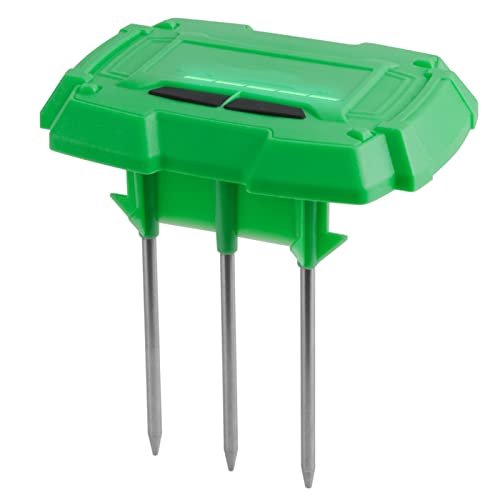
Best for building an automatic irrigation system with Wi‑Fi integration. This single sensor can be paired with a compatible Wi‑Fi sprinkler timer and hub to turn irrigation on or off based on soil moisture, with 0–100% moisture readings and a 5‑minute update cadence. It supports remote monitoring via the RainPoint app once connected to a hub. Caution: design assumes use with compatible ecosystem components; standalone operation is not possible.
AEDIKO Upgrade Automatic Irrigation DIY Kit
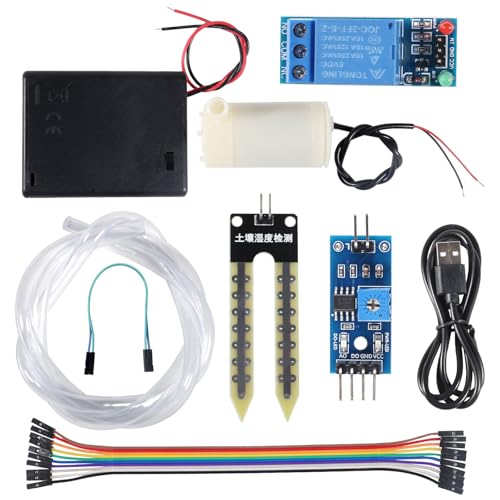
Best for hands-on DIY irrigation projects. The AEDIKO kit combines an LM393 moisture sensor, a one‑channel relay, a small water pump, tubing, and wiring to automate watering based on soil moisture. This setup is suitable for small garden beds or potted plants where you want a compact, do‑it‑yourself solution. Limitation: non‑integrated with smart hubs; requires manual wiring and setup, so it’s less plug‑and‑play than Wi‑Fi or Zigbee options.
Hunter Soil-Clik Soil Moisture Sensor

Best for simple, push‑button irrigation shutoff at a glance. This sensor indicates moisture level, and the unit can shut down irrigation when the target soil moisture is reached. One‑touch override allows bypass for exceptional conditions. It includes a moisture sensor probe and an electronic module. Best for: those who want a straightforward, mechanical response to soil moisture. Limitation: may require compatible irrigation controllers for automated scheduling.
RAINPOINT Smart Soil Moisture Meter With WiFi Hub (HWG023/HWG040)

Best for a connected monitoring workflow with cloud access. This RainPoint meter provides both manual checks and automatic monitoring when paired with a compatible Wi‑Fi hub. It supports remote monitoring and historical data via the RainPoint ecosystem. Use this if you prioritize remote updates and analytics to fine‑tune watering schedules. Caution: dependent on hub compatibility for full feature access.
Buying Guide
What type of sensor fits your setup? Choose from simple manual meters for one or few plants, or wireless, app‑driven systems for multiple zones and smart automation. Consider compatibility with hubs or gateways you already own, or plan to invest in a complete ecosystem. Depth sensing matters for large pots and raised beds; capacitive sensors can offer longer life in saline soils. If you want remote control, Wi‑Fi or Zigbee options enable automation and data history, but require compatible hardware. For beginners, a single‑meter solution with a clear dial and straightforward usage may be the easiest entry point.
What features directly impact irrigation? Look for real‑time readings, data logging, and alert capabilities. Wireless sensors that integrate with gateways or hubs can drive automated watering, while leave‑in sensors offer continuous monitoring without repeated insertion. For small containers, a compact, refillable probe helps track moisture without frequent replacements. If you prefer a plug‑and‑play setup, focus on systems that advertise easy pairing with popular hubs or timers and support remote access via an app.
How to choose by environment? Outdoor gardens can benefit from durable, weather‑resistant units and sensors that work across different soil types. Greenhouses and nurseries will benefit from multi‑sensor networks and cloud storage for long‑term moisture trends. Indoor potted plants require compact meters with stable readings in lighter soils and limited space. Finally, budget and setup complexity vary; simple meters are affordable and easy, while smart ecosystems involve higher upfront costs but save water through automation.
FAQ
- What is the main difference between analog dial meters and wireless sensors?
Answer: Analog meters provide immediate, local readings without setup, while wireless sensors offer remote monitoring, alerts, and data history across multiple zones. - Do I need a hub or gateway to use most of these sensors?
Answer: Many advanced options require a gateway or hub (Wi‑Fi or Zigbee) to enable automation, data access, and multi‑sensor networks. - Which sensor is best for deep pots?
Answer: Deep‑probe meters like the XLUX model are designed to measure moisture toward the bottom of larger pots. - What maintenance is needed for capacitive sensors?
Answer: Capacitive sensors are generally more durable, but some models still benefit from occasional inspection and proper placement to avoid soil buildup on the sensor. - Can these sensors help reduce water waste?
Answer: Yes. By providing precise moisture data and enabling automated irrigation, they help avoid overwatering and water waste in both indoor and outdoor setups.