Best NPK 10-26-26 Fertilizer Options for Targeted Plant Nutrition
For a fertilizer labeled NPK 10-26-26, Sansar Green is the only exact match among these five products. Its listed features describe a water-soluble fertilizer with 10% nitrogen, 26% phosphorus, and 26% potassium. The other options have different nutrient ratios, so they may suit particular plants or feeding goals but are not direct substitutes. Compare the labels and choose based on your crop, growing method, and nutrient needs.
| Product | Listed NPK | Best suited for |
|---|---|---|
| Sansar Green | 10-26-26 | Buyers seeking the exact ratio |
| Jack’s Nutrients Strawberry Part A | 8-10-26 | Strawberry growers using constant feed |
| Covington Liquid Fertilizer | 10-10-10 | General-purpose feeding |
| Fiddle Leaf Fig Plant Food | 3-1-2 | Fiddle-leaf fig care |
| CYMUS Nutricote Orchid Fertilizer | 13-11-11 | Orchid growers considering a slow-release product |
Sansar Green NPK 10-26-26 Fertilizer

Best for: Buyers specifically looking for a water-soluble fertilizer with a 10-26-26 analysis. This is the only product in the supplied list that matches the requested ratio.
The listed features describe a fast-acting, completely water-soluble powder that can be mixed with water for a spray solution. The product is presented for ornamentals, vegetables, fruits, lawns, and container plants, and its nutrient profile provides more phosphorus and potassium relative to nitrogen.
Consider: The product information does not provide a mixing rate. Follow the package directions rather than estimating a dose, and avoid assuming that the product is appropriate for every plant or growing system.
Jack’s Nutrients Strawberry Part A

Best for: Strawberry growers who need a crop-specific water-soluble nutrient and use a low constant-feed system. Its listed 8-10-26 analysis is not equivalent to 10-26-26: it contains less nitrogen and phosphorus.
The features describe a powder concentrate and give a mixing instruction of 27 ounces in 100 gallons of water for a final feed strength of 100 PPM nitrogen. The product is characterized as supplying macro, secondary, and micronutrients for strawberry production.
Consider: This is Strawberry Part A, not an all-purpose 10-26-26 fertilizer. Use the stated directions and check the product’s complete instructions for any requirements beyond the listed information.
Covington 10-10-10 Liquid Fertilizer

Best for: Gardeners seeking an all-purpose liquid fertilizer for lawns, flowers, vegetables, or indoor and outdoor plants. Its equal 10-10-10 ratio is substantially different from 10-26-26 and is not a direct substitute.
The listed features describe a concentrate with equal nitrogen, phosphorus, and potassium, intended to support roots, foliage, and blooms. The product also identifies food-grade ingredients and a low salt index as formulation features.
Consider: Choose it for general-purpose feeding, not when a soil or crop plan specifically calls for the higher phosphorus and potassium proportions in 10-26-26.
Fiddle Leaf Fig Plant Food
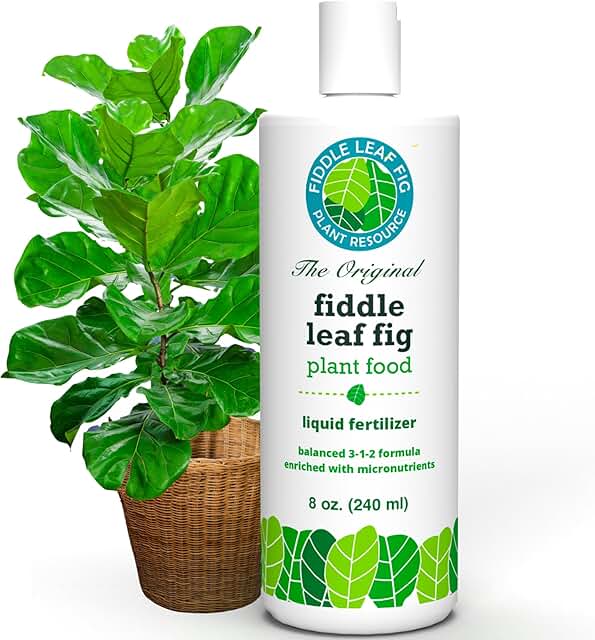
Best for: Fiddle-leaf fig owners looking for a plant-specific liquid food. Its 3-1-2 analysis is unlike 10-26-26, making it a specialized alternative rather than a matching fertilizer.
The product description says it uses three forms of nitrogen for extended, consistent nutrition and is designed for year-round use. The listing also includes a care webinar and e-book.
Consider: Its stated purpose is ficus care, so it is not the suitable choice when you need a high-phosphorus, high-potassium 10-26-26 formula or a general garden fertilizer.
CYMUS Nutricote Orchid Fertilizer

Best for: Orchid growers considering a pellet-form fertilizer. The supplied product name lists a 13-11-11 type, which does not match 10-26-26.
The available feature information is limited to a short description identifying it as a slow-release orchid fertilizer. The product name also describes pellets and a multipurpose blend, but the listing does not provide application rates or detailed feeding directions in the supplied information.
Consider: Confirm the package label and directions before use. The limited listed details do not establish that it suits other plants or provides the nutrient proportions of 10-26-26.
Buying Guide: How to Choose a 10-26-26 Fertilizer
Does the NPK ratio have to match exactly?
If a soil test, crop plan, or other reliable guidance calls for 10-26-26, start with a product whose label states that ratio. The first number represents nitrogen, the second phosphorus, and the third potassium. The other products here have different analyses and should not be treated as interchangeable.
Should you choose a powder or liquid?
Sansar Green is described as a soluble powder mixed with water. Covington is listed as a liquid concentrate, while the CYMUS product is described as pellets. Form affects how a fertilizer is prepared and applied; follow the product label for dilution, timing, and method.
What should you check before application?
- Verify the NPK numbers on the package, especially when the exact ratio matters.
- Check whether the product is intended for your plant and growing method.
- Use the label’s mixing and application directions; do not infer a dose from the NPK ratio alone.
- Consider soil-test results and avoid adding nutrients without a clear need.
Frequently Asked Questions
Which listed product is actually NPK 10-26-26?
Sansar Green is the only supplied product whose name and features identify it as NPK 10-26-26.
Is 10-10-10 the same as 10-26-26?
No. Both have 10 as the first number, but 10-10-10 contains less phosphorus and potassium proportionally than 10-26-26.
Can I use Jack’s 8-10-26 instead?
It is a strawberry-focused 8-10-26 product for a low constant-feed system. Its ratio differs from 10-26-26, so it is not a direct match.
How much 10-26-26 should I apply?
The supplied Sansar Green product information does not state a mixing rate. Follow the directions on its package and account for the needs of your plants.
Is a higher phosphorus and potassium ratio right for every plant?
No. The appropriate fertilizer depends on the plant, growing conditions, and nutrient needs. Use a specific ratio when supported by a label, soil test, or suitable growing guidance.