Best Privacy Screen Trees for Your Yard
Building a natural privacy hedge adds year‑round screening, wind protection, and curb appeal. This guide highlights five fast and reliable options that perform well in American landscapes, balancing growth pace, maintenance, and aesthetics. Each entry includes key features to help you compare suitability for your property and climate.
| Product | Brand | Key Benefit |
|---|---|---|
| Leyland Cypress | Florida Foliage | Dense evergreen screen, fast growth |
| Thuja Green Giant | Florida Foliage | Tall, versatile hedge, year-round foliage |
| Emerald Green Arborvitae | Tree Tots | Compact privacy, easy maintenance |
| Leyland Cypress (Other Listing) | Eureka Farms | Rapid growth, striking year-round color |
| Southern Red Cedar | Florida Foliage | Native option with natural screening |
Leyland Cypress Hedge for Privacy & Windbreaks
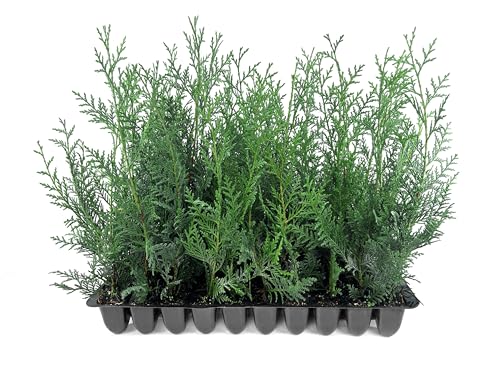
Fast-Growing Privacy Tree – Ideal for creating natural screens, property borders, and windbreaks with dense evergreen foliage for year-round coverage. Low-Maintenance Landscaping Plant – Thrives in full sun and adapts to different soil types, making it easy to establish and maintain in various landscapes. Versatile Outdoor Use – Suitable for residential and commercial landscapes, driveways, fences, and garden edges for added structure and greenery.
Willow Tree Bundle For Fast Privacy

Beautiful Assortment Of Fast Growing Trees – Perfect Gift for the Tree Lover or Green Thumb. Very Hearty And Easy To Grow – Start in a cup of water and plant when ready; trees will be about 8 inches tall with roots and some leaves and branches. Attractive Trees – Pleasing to the eye and add peace and privacy to your outdoor space, delivering a unique look and screening potential.
Perfect Plants Swamp Chestnut Oak Tree 5 Gallon

This Live Tree For Landscaping Offers Privacy & Shade Features – This chestnut oak can live up to 200 years and grows well in USDA zones 5-9, making it a long-term privacy asset. Its large size and broad canopy create cool, shaded outdoor spaces, while vibrant fall colors add seasonal interest with deep red to golden yellow tones.
Thuja Green Giant Hedge Plants

Fast-Growing Evergreen Tree – Reaches impressive heights quickly, creating a dense, natural privacy screen for yards, driveways, and commercial landscapes. Versatile Landscaping Plant – Ideal for hedges, windbreaks, garden accents, and backyard borders, providing lush greenery throughout the year. Low-Maintenance and Adaptable – Thrives in full sun to partial shade and grows in a variety of soil types with minimal care required.
Emerald Green Arborvitae Privacy Tree

Evergreen Privacy: Emerald Green Arborvitae trees provide year-round privacy with their dense evergreen foliage. Tall Stature: These shrubs can grow up to 14-16 feet tall, creating a natural living fence. Low Maintenance: Arborvitae require minimal pruning, making them suitable for busy homeowners seeking a reliable screen.
Southern Red Cedar For Native Privacy

Native Evergreen Tree – Naturally symmetrical form and dense foliage make this cedar ideal for privacy screens or windbreaks in southern landscapes. Traditional Landscape Element – A regional favorite for adding upright structure and evergreen color to gardens and property lines. Thrives In Full Sun – Performs well in sandy or well-drained soil types with minimal maintenance once established.
Buying Guide: Key Purchase Considerations
Choosing the right privacy tree depends on climate, space, and maintenance expectations. First, assess your USDA hardiness zone and sun exposure to ensure the selected species will thrive without excessive care. Consider growth rate: faster varieties provide quicker privacy but may require more frequent pruning and longer mature spacing. Size at maturity matters for imagining the final screen—some trees can reach well over 10 feet in a few years, while others stay compact and suitable for smaller lots.
Native species offer ecological benefits and often lower maintenance, disease resistance, and better adaptation to local soils and rainfall patterns. Soil type and drainage influence root health and vigor; some trees tolerate drought once established, others need regular watering during establishment. Pest resistance, such as resistance to cedar-apple rust or bagworm, can affect long-term viability.
Planting considerations include spacing between specimens to avoid overcrowding as roots and canopies expand. Mulching helps moisture retention and weed suppression, while irrigation planning ensures consistent establishment during dry periods. Think about birds, pollinators, and seasonal color—some trees provide autumn foliage color or evergreen texture that enhances year-round privacy. Finally, assess maintenance needs: pruning frequency, potential for debris, and whether you prefer a formal, clipped hedge or a natural, layered screen.