Best Lime Pellets for Grass: Top Granulars to Improve Soil pH and Color
Answer: Lime pellets are best for homeowners with acidic lawns who want to raise soil pH, improve nutrient uptake, and revive color and growth. The top picks below are ideal for small to mid-sized lawns, improving calcium levels, and reducing nutrient lockout. Each product targets slightly different needs—quick pH correction, long-lasting action, or organic suitability—so you can choose based on lawn size, soil condition, and whether you prefer OMRI-listed organic inputs.
| Product | Brand | Best For |
|---|---|---|
| Soil Doctor 54050860 Pelletized Calcitic Limestone | Oldcastle | Medium-sized lawns needing balanced calcium and microbial activity |
| Earth Science Fast Acting Lime Granules—5lb | Earth Science | Immediate pH raise for quick color improvement |
| The Andersons NutraLime DG Pelletized Limestone | The Andersons | Better dispersion after irrigation; fast, even coverage |
| 25LB Fast Acting Lime | ENCAP | Smaller to medium lawns needing season-long pH support |
| Jobe’s Organics Garden Lime | Jobe’s Organics | Organic lawns or gardens seeking OMRI-listed lime |
Soil Doctor 54050860 Pelletized Calcitic Limestone

The Soil Doctor pelletized limestone neutralizes acidic soil and stimulates beneficial bacteria, helping plants access nutrients more effectively. Best for homeowners who want a reliable, easy-to-apply lime that works with existing fertilizer programs. The product emphasizes calcium delivery to improve root health and microbial activity. A limitation is that results depend on even distribution and irrigation; uneven application can cause variable pH change across the lawn.
Earth Science Fast Acting Lime Granules—5lb

This product is designed to raise soil pH quickly, helping grass and other plants absorb nutrients more efficiently. It is suitable for small lawns or garden patches that need an immediate correction to pH. The granules are described as fast-acting and long-lasting within a season. Best for smaller areas or when quick nutrient uptake is the goal; caution: over-application can raise pH too high in some soil types.
The Andersons NutraLime DG Pelletized Limestone 5,000 sq ft
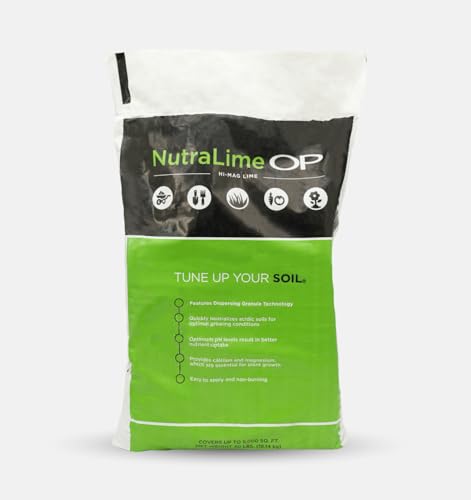
NutraLime DG uses Andersons patented DG Technology for quick dispersion and dissolution after irrigation, offering faster and more even coverage than traditional lime. It includes calcium and magnesium to support overall plant health. Best for lawns that require uniform distribution through irrigation or sprinkler systems. A potential limitation is that performance relies on regular irrigation to move the pellets into the root zone.
25LB Fast Acting Lime

This ENCAP product adds essential lime elements back into the soil and naturally raises pH to support nutrient absorption, with season-long activity. It’s well-suited for homeowners seeking a straightforward, ongoing pH management approach for typical turfgrass. Limitation: like many lime products, effectiveness is influenced by soil texture and irrigation practices; sandy soils may respond faster than clay.
Waupaca Northwoods Dolomite Lime Soil Amendment

Dolomite lime adds calcium and magnesium, aiding soil structure and correcting pH. It’s particularly useful for lawns needing both pH adjustment and micronutrient balance. Best for moderate to larger lawn areas where gradual pH change and improved soil structure are desired. Caution: dolomite takes longer to react than calcium-only lime in some soils.
Earth Science 25LB Fast Acting Lime
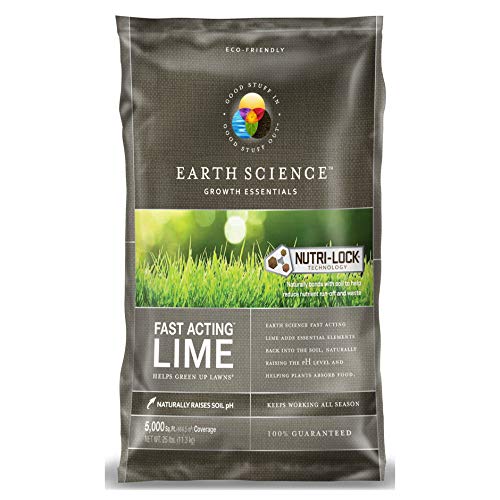
Earth Science 25LB Fast Acting Lime is described as a convenient, ready-to-use lime that raises soil pH and assists nutrient uptake. It’s best for homeowners seeking a simple, mid-sized bag for regular lawn maintenance and moderate pH adjustment. A caveat: results depend on consistent irrigation and soil testing to avoid over-correction.
Buying Guide: Lime Pellets For Grass
What type of lime should I choose?
- Calcitic lime adds calcium and raises pH; use when soil calcium is low.
- Dolomitic lime adds calcium and magnesium; choose for soils needing micronutrient balance and improved structure.
- Pelletized forms tend to be easier to spread and quicker to dissolve than ag-lime; ideal for DIY lawns.
What lawn size and soil test results mean for selection
- Small lawns or gardens: fast-acting granules or 5–25 lb bags provide quick correction and manageable coverage.
- Medium to large lawns: consider 40–50 lb bags or DG-technology pellets for even distribution with irrigation.
- Soil test every 1–3 years; aim to keep pH within the range optimal for your grass type (often near neutral to mildly alkaline).
How to apply lime effectively
- Apply evenly with a broadcast spreader; avoid piling lime in one spot.
- Water after application to help pellets dissolve and move into the root zone.
- Apply in cooler weather or during dry periods as recommended on the product label for best results.
How to choose by situation
- Want immediate color revival? Choose fast-acting lime granules for a quick pH bump.
- Seeking long-term soil health and structure? Opt for pelletized or DG-technology lime with slower, steady release.
- Organic lawn care? Look for OMRI-listed products such as Jobe’s Organics Garden Lime.
Comparison snapshot
- Best for fast correction: Earth Science Fast Acting Lime Granules.
- Best overall dispersion: The Andersons NutraLime DG.
- Best organic option: Jobe’s Organics Garden Lime.
- Best value for medium lawns: ENCAP 25LB Fast Acting Lime.
- Best for microbes and soil health: Soil Doctor Pelletized Limestone.
FAQ
- Q: How often should lime be applied to a lawn? A: Application depends on soil pH, lawn type, and soil test results. Re-test soil after 6–12 months to guide future applications.
- Q: Can lime hurt my grass if I over-apply? A: Yes. Over-correcting pH can reduce nutrient availability; always follow label directions and test soil.
- Q: Is pelletized lime better than powdered lime? A: Pelletized lime is typically easier to spread evenly and dissolves more predictably, reducing the risk of burn spots.
- Q: Can lime be used with fertilizer? A: Yes, but spread fertilizer according to its label timing and water in after lime application to help uptake.
- Q: Do I need to water after lime application? A: Most products benefit from light irrigation to move the lime into the root zone.
- Q: Which lime is best for organic lawns? A: Look for products that are OMRI-listed or specifically labeled for organic use.